How to Keep Oranges: A good way to keep oranges fresh for longer is to store them in the refrigerator. Cold temperatures help oranges lose moisture quickly, keeping them fresher longer.

How to keep oranges fresh for a long time using home remedies?
How to Store Oranges Fresh for a Long Time: Oranges are delicious and juicy, but keeping them fresh for a long time can be a bit tricky. If not stored properly, oranges can quickly dry out, soften, or develop mold. Many people leave them outside or store them in plastic bags after purchasing them. After a few days, both the flavor and juice of the oranges begin to diminish.
If you buy a large number of oranges at once, it's important to store them properly. By following a few simple steps, you can keep them fresh, firm, and juicy for a long time. Let's learn some easy ways to prevent oranges from spoiling quickly.
Keep oranges in the fridge.
Refrigerating oranges is a great way to keep them fresh longer. Cold temperatures prevent moisture from evaporating quickly, keeping them fresh longer. Oranges can stay fresh in the refrigerator for about two to three weeks. If they are fresh when purchased, they may last even longer. It's best to store them in the crisper drawer of the refrigerator.
Do not wash the oranges first.
Avoid washing oranges immediately after purchasing them and storing them. Leaving water on the peel can cause moisture and increase the risk of mold. Therefore, wash oranges only when you plan to eat them. It's best to keep them dry when storing them.
Store in an airtight bag
Avoid storing oranges in tightly sealed plastic bags. This traps moisture and can cause them to spoil faster. Instead, use mesh bags, cloth bags, or bags with small holes. This allows for air circulation and prevents excess moisture from accumulating on the orange peel.
Keep away from strong-smelling things.
Oranges can absorb the odors of surrounding objects. Storing them near onions, garlic, or other strong-smelling items can affect their aroma and taste. Therefore, it's best to keep them away from such items.
Immediately discard spoiled oranges.
Be sure to check your oranges every few days. If any oranges appear too soft, bruised, or have visible mold, discard them immediately. A spoiled orange can spoil other nearby oranges. Therefore, it's important to remove the spoiled fruit promptly.
Use paper towels
If you store oranges in a bowl or container, you can place a dry paper towel inside. The paper towel absorbs excess moisture. This keeps the humidity around the oranges low and can reduce the risk of mold. If the paper towel becomes damp, replace it.
Keep in a cool and dry place.
If you don't want to keep oranges in the refrigerator, store them away from excessive heat or direct sunlight. Storing oranges near a stove, oven, or other hot area can cause them to dry out and soften faster. A cool, shady spot in your home is best. Oranges usually last about a week at room temperature.
Don't press the orange too hard.
Stacking oranges too tightly can crush the oranges below, bruising them and causing them to spoil faster. Try to keep oranges in a single layer. If you must stack them on top of each other, don't pile them too high. A little space will also allow for more air circulation.
Keep away from bananas and apples.
Ethylene gas released from bananas and apples can accelerate the ripening process. Therefore, storing oranges with them can cause them to soften faster. If you keep all your fruits in the same basket at home, it's best to keep oranges separate from bananas and apples.
If you have too many oranges, freeze them.
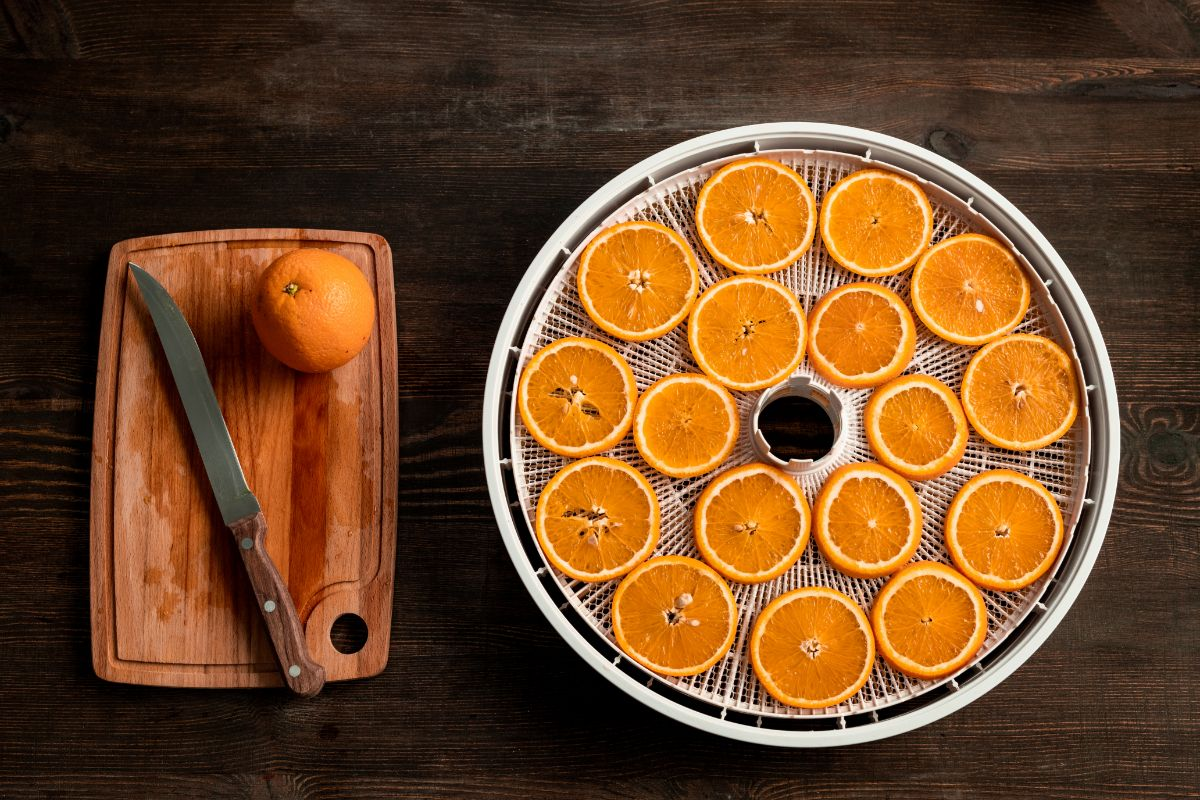
If you've bought a lot of oranges and can't finish them quickly, you can freeze them. Remove the peel and seeds from the oranges and separate them into segments. Then, store them in an airtight container or freezer bag. These frozen oranges can be used later in smoothies, juices, desserts, or snacks. This will prevent the oranges from going to waste and allow you to use them later.