LIFESTYLE
Mini Stroke: The habit of staying up all night can lead to death; the risk of a mini stroke is increasing, experts warn.
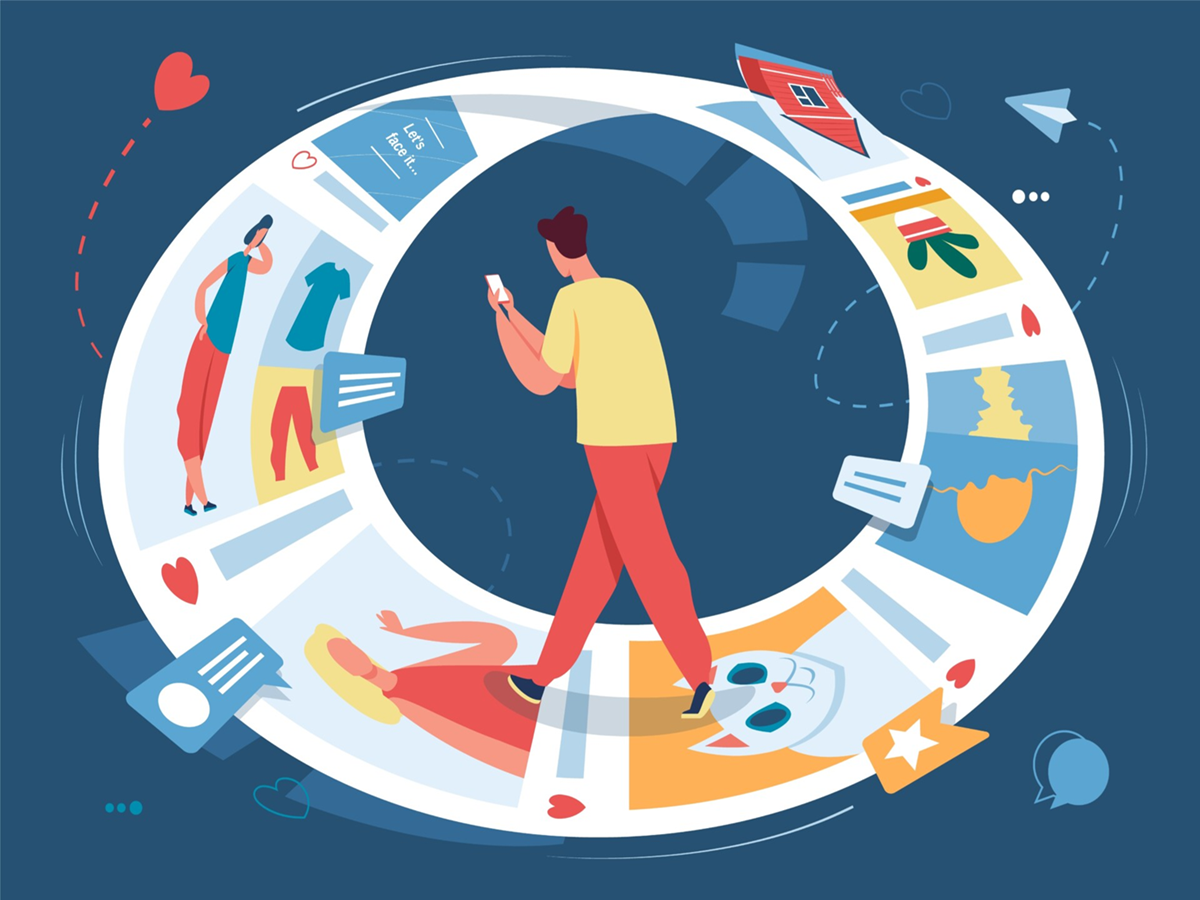
Transient Ischemic Attack: Scrolling through social media can make you forget that the night has passed. This has become a normal lifestyle, especially for young professionals.

Lack of sleep may increase the risk of mini-strokes
How Sleep Deprivation Increases Mini-Stroke Risk: In today's fast-paced life, nighttime isn't what it used to be. Mobile screens glow long after midnight, people lie in bed checking work emails, and scrolling through social media without realizing when the night has passed. This has become a normal lifestyle, especially for young professionals. But neurologists warn that this habit can not only increase fatigue but also the risk of serious illnesses like mini-strokes.
What is a mini stroke?
A mini-stroke, medically known as a transient ischemic attack, occurs when blood flow to a part of the brain is temporarily cut off. Symptoms can subside within minutes, but taking it lightly can be a serious mistake. According to the US National Institutes of Health, approximately one in three people who experience a transient ischemic attack will later develop a stroke, and about half of these cases occur within a year.
Why does this problem occur due to sleep?
Dr. Chandana R. Gowda told TOI that sleep deprivation is increasingly becoming a major cause of neurological and heart-related problems. She says that chronically poor sleep leads to elevated levels of stress hormones, impacts blood pressure, increases inflammation, and impairs metabolism. All of these factors can increase the risk of mini-strokes and subsequent strokes.
Why is good sleep important?
According to experts, good sleep not only relaxes the body but also helps repair blood vessels, regulate blood pressure, and reduce inflammation. When sleep is consistently inadequate, these vital body systems are affected. Research by the National Heart, Lung, and Blood Institute has also shown that long-term sleep deprivation increases the risk of high blood pressure, obesity, diabetes, and heart disease, which are considered major causes of stroke.
What is revenge bedtime procrastination?
In recent years, a new term has also come into circulation: revenge bedtime procrastination. It refers to deliberately staying up late to make time for oneself after a long day of work, when the body needs rest. According to Dr. Gowda, using phones late into the night, constantly looking at screens, and getting only a few hours of sleep has become a habit among many young people today, which can lead to serious health problems in the future.
What are its symptoms?
The biggest problem with mini-strokes is that their symptoms are often overlooked. Sudden weakness or numbness in one part of the body, difficulty speaking, dizziness, blurred vision, drooping of one side of the face, or confusion that lasts for a few minutes can be early symptoms. Experts say that any such symptoms should not be ignored and a doctor should be contacted immediately.