
LIFESTYLE
Milk Alternatives: Milk is getting more expensive; these alternatives can also meet nutritional deficiency.
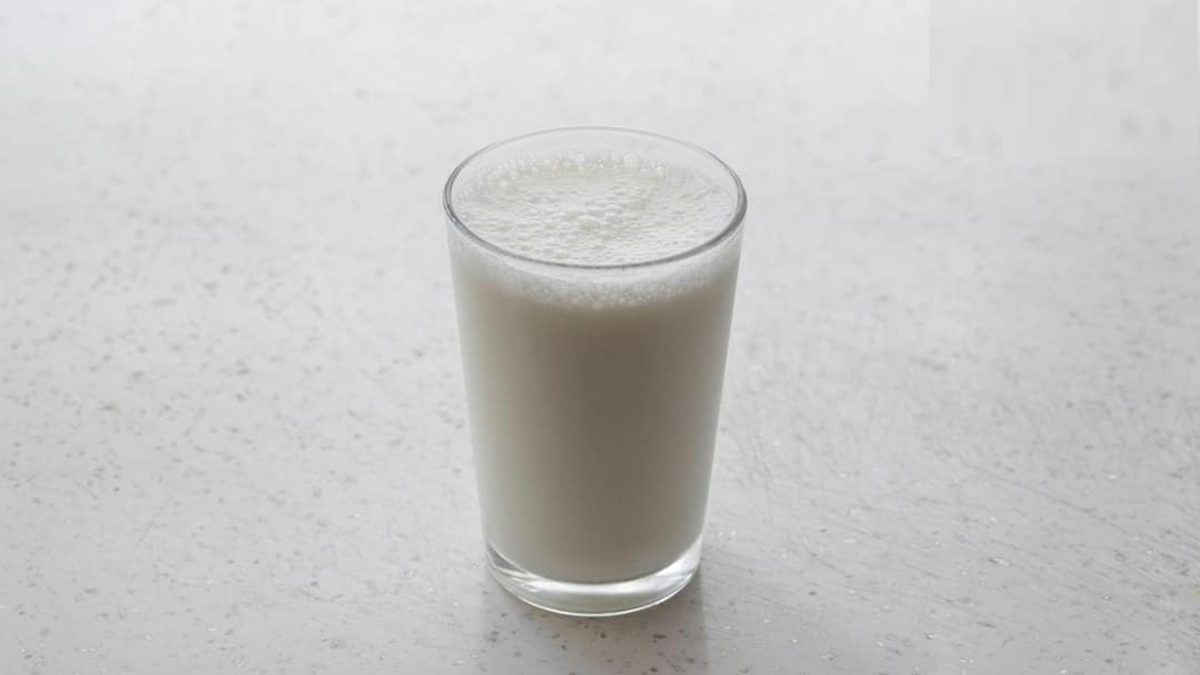
Milk is becoming more expensive, so can calcium and protein deficiencies in the body be met without milk? Find out which inexpensive items can be a better alternative.
Calcium-rich foods
Milk is considered very good for health. It contains essential nutrients like calcium and protein, which help maintain strong bones and muscles. However, rising milk prices have recently made it more expensive for many people to purchase it daily. If you want to reduce your milk costs, you can include some inexpensive and easily available products in your diet. These provide essential nutrition to the body and won't be too burdensome.
Include curd and soybeans in your diet.
Yogurt is a good alternative to milk. It contains both calcium and protein. You can include it in your diet for lunch, breakfast, or as buttermilk. Many people find yogurt easier to digest than milk. Furthermore, soybeans are also a good source of protein. You can consume them soaked, boiled, or cooked as a vegetable. Soy milk is also an alternative to milk. When purchasing soy milk from the market, choose a product that also contains added calcium and vitamin D.
Protein will be obtained from grams, lentils, and peanuts.
To meet protein deficiencies in the body, chickpeas, lentils, and peanuts can be included in the diet. Black chickpeas can be soaked overnight and then boiled in the morning. Pulses like mung beans, masoor (lentils), and arhar (pigeon pea) also provide protein. They are easy to incorporate into your daily diet. Peanuts, meanwhile, are a good low-cost option. They contain protein as well as healthy fats. They can be eaten roasted, as chutney, or mixed with other foods.
Eat sesame and ragi for calcium.
The body needs calcium to maintain strong bones. To achieve this, you can include sesame seeds and finger millet in your diet. Sesame seeds are rich in calcium and are often eaten as laddus, chutneys, or mixed into vegetables. Similarly, finger millet is also a good source of calcium. It is used to make rotis, dosas, and porridge. These are easy to incorporate into your diet in a variety of ways.