
LIFESTYLE
Menstruation Myths: Second, third or fourth... on which day should hair be washed after the start of periods, what do experts say?
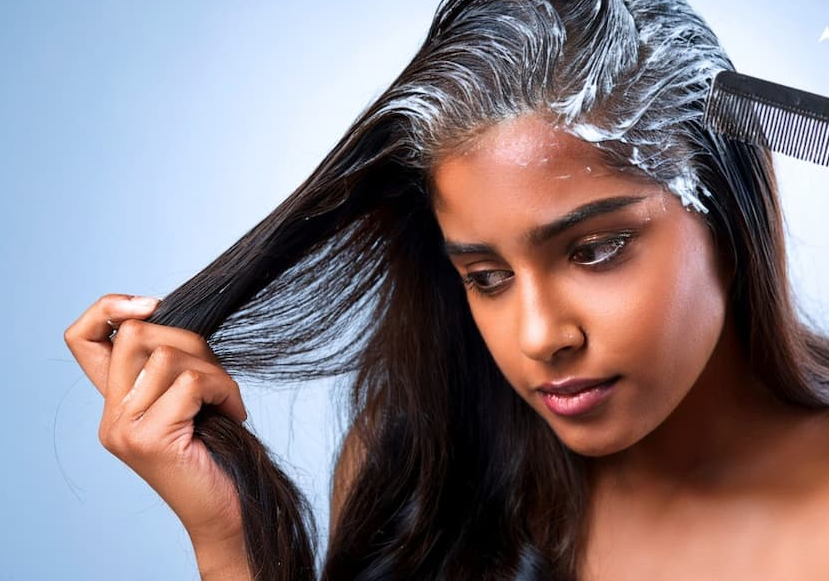
Period Hair Wash: We hear all sorts of myths about periods, like, "This shouldn't be done," "That shouldn't be done." Let us tell you when you should wash your hair on the second, third, or fourth day.
When should you wash your hair during your periods?
Hair Wash During Periods: Women experience periods every month. This is a completely natural process. Blood and tissue from the lining of the uterus are shed from the body. In ancient times, many rules were established for women during menstruation. One of these was not washing their hair for the first three days of their period. In many places, it is believed that impurities are released from the body during menstruation, and it is important to keep the body warm during this time to ensure proper bleeding.
Because every woman's menstrual cycle is different, some bleed for three days, some for five, and some for seven. In such a situation, people believed that washing hair for the first three days lowers the body temperature and this can stop or reduce bleeding, which can cause many problems later on. But from a scientific point of view, this is not true. Washing hair during periods or on any particular day does not affect blood flow. This is a common myth, which is not supported by medical science. Women can maintain normal hygiene and bathing habits even during their periods.
First, understand the period.
According to the National Institute of Child Health and Human Development (NICHD) in the US, a period is the normal flow of blood and tissue from the lining of the uterus that occurs monthly as part of a woman's menstrual cycle. This process lasts from menarche (the first period usually between the ages of 10 and 16) to menopause (between the ages of 45 and 55). A period typically lasts about five days.
What is the menstrual cycle
The NICHD explains that the menstrual cycle is a monthly process in which the body releases an egg, the lining of the uterus thickens in preparation for pregnancy, and this lining is shed as blood if pregnancy does not occur. The average menstrual cycle is 28 days, but it varies by woman and age. It can be 21 to 45 days in young girls and 21 to 35 days in adult women.
Why scalp health is important
According to CDC experts, the scalp produces natural oil called sebum, which moisturizes the skin and protects it from infection. If hair is not washed for a long time, sebum, dirt, sweat, and product build-up begin to accumulate. This can make hair look greasy, smell bad, and increase the risk of infection. A study (Journal of Skin Appendage Disorders) found that not washing hair causes the sebum accumulated on the scalp to chemically change. The free fatty acids and oxidized lipids present in it can irritate the skin. The study also found that dandruff and other scalp problems were more common in those who washed their hair less frequently.