
LIFESTYLE
LPG Regulator: When should you replace your LPG cylinder regulator? Learn about the danger signs.
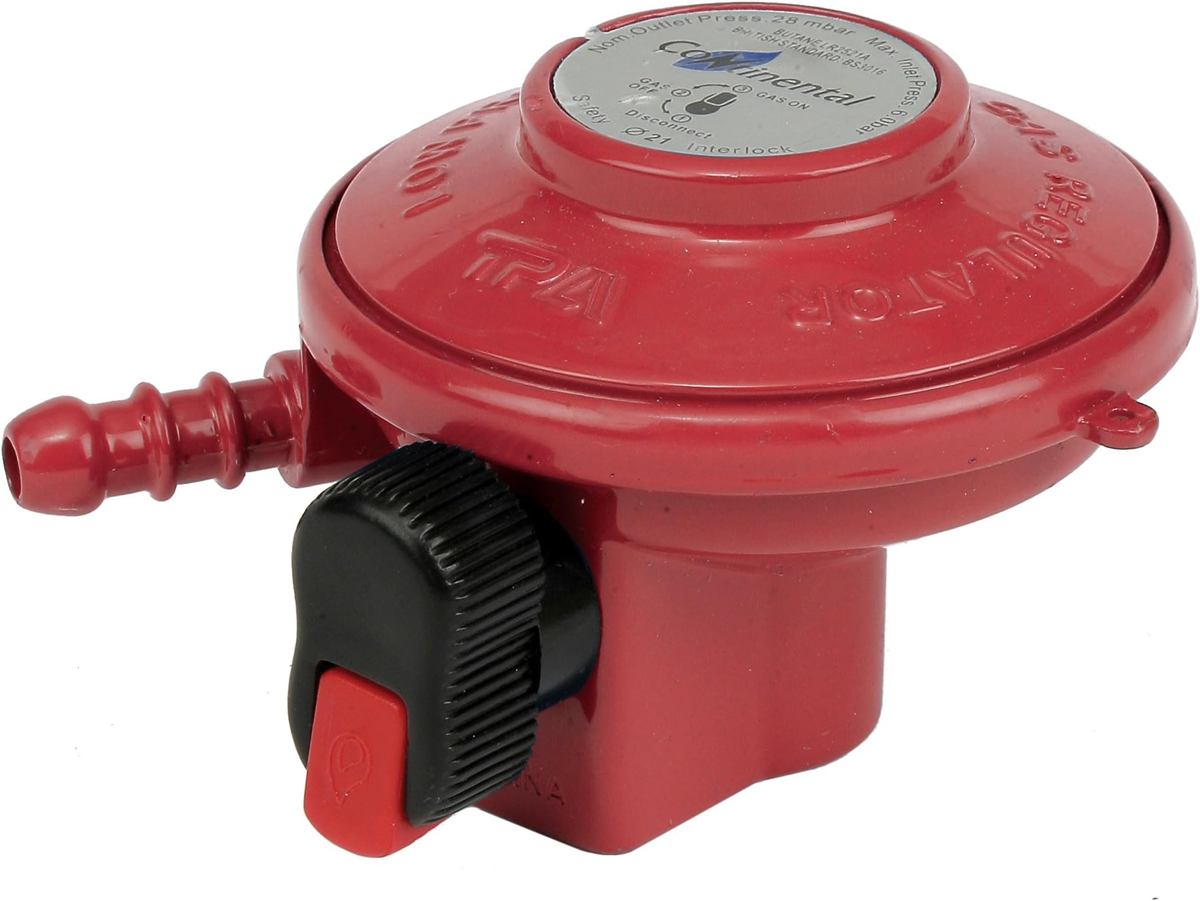
Kitchen Gas Safety: The job of the LPG regulator is to reduce the excess pressure of the gas inside the cylinder and deliver it to the stove at a safe and usable pressure.
What to do if the regulator of the LPG gas cylinder is loose?
How to Fix a Loose LPG Gas Cylinder Regulator: LPG cylinders are used daily in homes, so ignoring even small changes related to gas can prove costly. Sometimes, after replacing a cylinder or installing a regulator, it feels loose. In such a situation, one should avoid turning on the gas and lighting the stove directly. First, it's important to check that the regulator is properly connected to the cylinder and that there are no gas leaks.
The LPG regulator's job is to reduce the excess pressure of the gas inside the cylinder and supply it to the stove at a safe and usable pressure. Therefore, any fault in the regulator or a faulty connection can disrupt the gas supply and, in some cases, even increase the risk of leakage.
What should I do first if the regulator seems loose?
If the regulator feels loose in place or doesn't lock properly to the cylinder, don't turn on the gas supply. Don't try to force the regulator into place by repeatedly pressing or applying force. First, carefully inspect the regulator and cylinder connections. Check that the regulator is in the correct position and that its locking mechanism is properly engaged. Do not use the regulator if it is crooked, the connections are not properly seated, or any parts appear to be loose.
If you smell gas, do not ignore it.
If you smell gas while inspecting the regulator, don't assume it's normal. LPG is given a special odorant to detect leaks. If you smell gas, immediately stay away from any flames or sparks.
Never try to locate the gas leak by lighting a match, lighter, or candle. Turning electrical switches on or off in such a situation can be risky. If safely possible, turn off the gas supply, ventilate the area, and seek help from the relevant gas agency or a trained technician.
How to identify a leak in a connection?
If you suspect a leak around the regulator, avoid risky self-testing. Never use an open flame to test the gas connection. If the connection appears loose, the regulator is damaged, or a gas smell persists, it's best to have it inspected by an authorized gas service or technician rather than using it. Especially with domestic LPG connections, dismantling the regulator and attempting internal repairs yourself should be avoided.
The color and shape of the flame also give indications.
If, after installing the regulator, the stove's flame has become much smaller than before, is repeatedly extinguished, or is becoming unusually large and bright, don't ignore it. A low flame could be due to low gas in the cylinder, a blockage in the regulator, or a faulty regulator. A very bright, unusual, or noisy flame could indicate a pressure-related problem. In such a situation, it's safe to have the regulator and gas connection inspected by a qualified professional.
Also see these things in the regulator.
Older regulators may have worn seals, rubber rings, or other components over time. If the regulator body is broken, cracked, rusted, or doesn't lock properly, it should not be used.
It's also important to keep the regulator clean and dry. Accumulation of dust, oil, or other debris can interfere with its operation. However, avoid disassembling the regulator or tampering with its internal components during cleaning.
Not every regulator is suitable for every gas.
Another important point is that not all gas regulators are the same. The regulator used for an LPG cylinder should be compatible with the gas and the appliance used. Do not attempt to install a regulator from another type of gas system on a domestic LPG cylinder. If a regulator replacement is necessary, use only an authorized gas agency or a reliable and certified product. Purchasing a regulator simply because it's cheap is not a safe option.
When should the regulator be replaced?
If the regulator repeatedly loosens, emits a gas smell, the connection doesn't lock properly, cracks or rust appear on the body, or the stove flame becomes abnormal, it may need to be replaced. Also, consider the regulator's age. It's not a good idea to continue using an old regulator just because it appears to be working properly. It's best to have the cylinder, regulator, and gas pipe inspected periodically.
The most important thing
If the LPG regulator feels loose, be sure to check its fitting and condition before turning on the gas and lighting the stove. If you notice a gas smell, unusual noise, leaks, damage, or a change in the flame, have it inspected by your gas supplier or a trained technician rather than attempting any repairs yourself. Even minor negligence related to gas can lead to a major accident, so the safest course of action is to stop using it if you have any doubts.