Business
LPG Connection Update 2026: Consumer Numbers Reportedly Decline Across India, Know the Reasons and e-KYC Rules
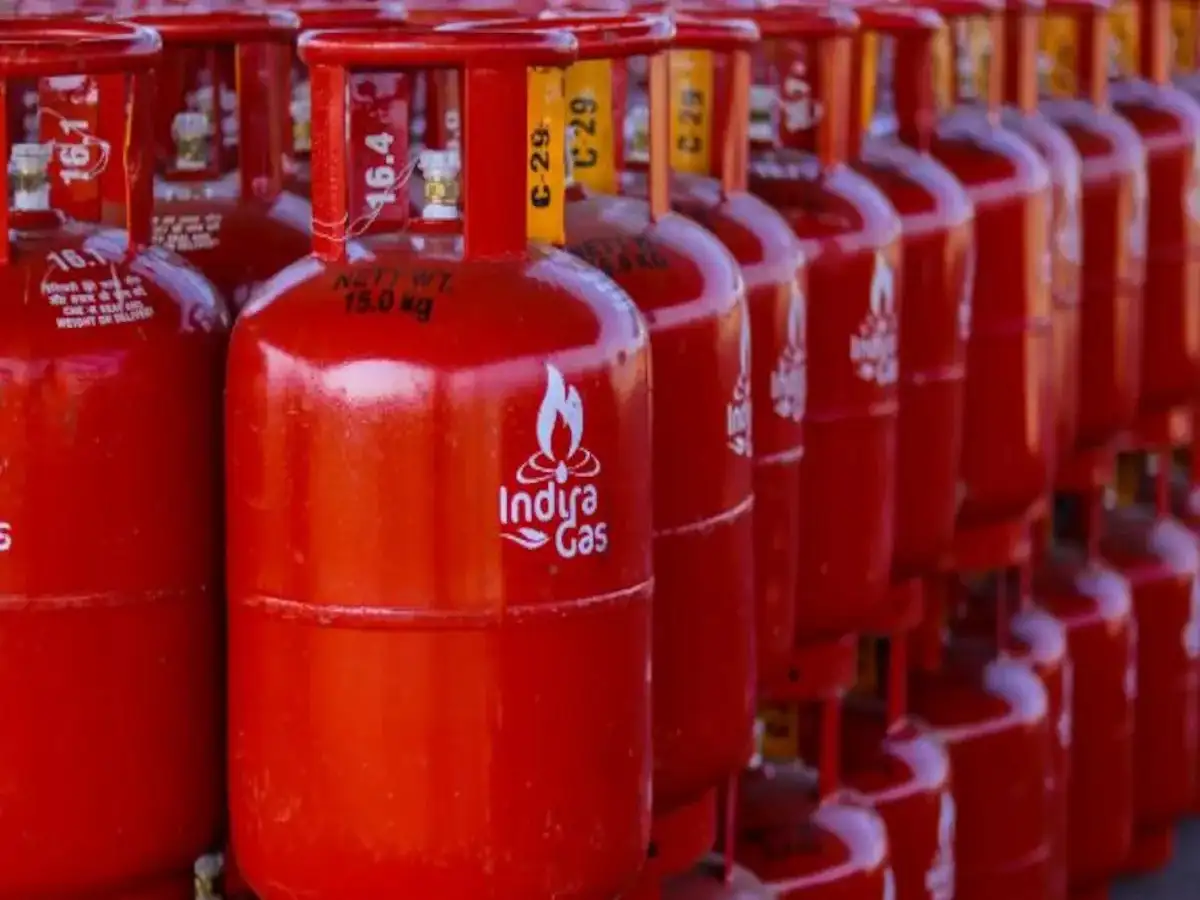
LPG Gas Cylinder Update 2026: Amid fluctuations in domestic cooking gas prices, a significant decline in the number of registered LPG consumers has reportedly emerged across India. Stricter customer verification, measures to identify duplicate connections and the growing adoption of piped natural gas (PNG) are being cited as possible reasons behind this development.
According to the supplied report, the number of LPG consumers has declined by approximately 75 lakh since the beginning of the current financial year. The reported reduction also includes around 60,000 beneficiaries of the Pradhan Mantri Ujjwala Yojana (PMUY).
The development comes at a time when international energy market uncertainties and rising household expenses remain concerns for cooking gas consumers.
However, a reduction in registered LPG connections does not necessarily mean that all affected households have permanently lost access to cooking gas. Changes in consumer records, inactive accounts, duplicate connections and migration to alternative cooking fuels may also influence the overall figures.
Why Are LPG Connections Declining Across India?
Several factors could be contributing to the reported decline in domestic LPG consumer numbers. These include enhanced identity verification, changes in cylinder delivery procedures, international supply challenges and the expansion of alternative cooking gas infrastructure.
1. LPG e-KYC Verification to Identify Ineligible Connections
Oil marketing companies have been encouraging LPG consumers to complete Aadhaar-based electronic Know Your Customer (e-KYC) verification to ensure the accuracy of customer records.
The verification process helps identify duplicate registrations, incorrect beneficiary information and potentially fraudulent connections.
Consumers who have not completed their verification may encounter difficulties with certain services or subsidy-related benefits, depending on applicable guidelines.
However, incomplete e-KYC does not automatically mean that every LPG connection will be cancelled or that cylinder delivery will be stopped.
Customers should contact their authorised gas distributor to confirm whether any verification requirements remain pending.
2. OTP-Based Cylinder Delivery Improves Transparency
Oil marketing companies have introduced delivery authentication mechanisms in various locations to improve accountability in LPG distribution.
Under the Delivery Authentication Code (DAC) system, customers may receive a unique code on their registered mobile number when a cylinder is scheduled for delivery.
The code helps confirm that the cylinder has been delivered to the intended consumer.
The system is designed to reduce unauthorised deliveries, prevent diversion of domestic cylinders and improve transparency in distribution.
Consumers should ensure that their mobile number is updated with their LPG distributor and share the delivery authentication code only with the authorised delivery representative when receiving the cylinder.
3. Ujjwala Yojana Beneficiaries Also Reportedly Affected
The Pradhan Mantri Ujjwala Yojana was introduced to provide clean cooking fuel access to eligible households, particularly women from economically disadvantaged families.
According to the supplied report, approximately 60,000 PMUY beneficiaries are included in the reported decline in LPG consumer numbers.
The reduction could be associated with customer verification, inactive connections or changes in beneficiary records. However, the precise reasons have not been established through official data in the supplied article.
Ujjwala beneficiaries should regularly check their LPG connection status, registered bank account details and subsidy records to avoid potential service-related difficulties.
4. International Supply Challenges May Influence LPG Prices
India depends significantly on imported LPG to meet its domestic consumption requirements. Consequently, changes in international energy markets can affect procurement costs and domestic supply conditions.
Geopolitical tensions in the Middle East may create uncertainty regarding fuel supplies, transportation costs and international LPG prices.
Several factors influence domestic cooking gas prices, including international LPG benchmarks, exchange rates, transportation expenses, government policies and applicable subsidies.
Higher refill costs may also affect consumption patterns among price-sensitive households, although reduced consumption does not necessarily result in the cancellation of LPG connections.
5. Expansion of PNG Connections Offers an Alternative to LPG
The government has been promoting piped natural gas connections in cities and towns where gas pipeline infrastructure is available.
Unlike LPG cylinders, PNG is supplied directly to households through a pipeline network, reducing the need for cylinder bookings and physical deliveries.
Consumers generally receive bills based on their actual gas consumption.
As city gas distribution networks expand, some households may switch from LPG to PNG, potentially contributing to changes in registered LPG consumer numbers.
LPG Cylinder vs PNG Connection
| Feature | LPG Cylinder | PNG Connection |
|---|---|---|
| Supply method | Delivered through cylinders | Supplied through pipelines |
| Payment system | Payment for each refill | Meter-based consumption billing |
| Booking requirement | Required for refills | Generally not required |
| Availability | Widely available across India | Limited to areas with pipeline infrastructure |
| Storage requirement | Cylinder storage required | No domestic cylinder storage required |
| Subsidy | Available to eligible beneficiaries | Depends on applicable policies |
| Supply continuity | Depends on cylinder availability | Generally continuous, subject to service interruptions |
Reported LPG Consumer Decline: Key Details
| Particulars | Reported Information |
|---|---|
| Decline since the beginning of the financial year | Approximately 75 lakh consumers |
| PM Ujjwala Yojana beneficiaries included | Approximately 60,000 |
| Major reported reasons | Customer verification and changing consumption patterns |
| Verification mechanism | Aadhaar-based e-KYC |
| Delivery authentication | OTP or DAC-based verification |
| Alternative cooking fuel | Piped Natural Gas (PNG) |
| International concerns | Import dependence and supply uncertainties |
The reported consumer figures have not been independently verified against official petroleum sector statistics.
How to Complete LPG e-KYC Verification
Domestic LPG consumers can check their verification status through their respective oil marketing company or authorised gas distributor.
The general process involves contacting the distributor, providing the LPG consumer number and Aadhaar details, and completing the required identity authentication.
Depending on the service provider, consumers may also have access to mobile application-based or biometric verification facilities.
Customers can obtain further information through the official websites of their LPG service providers:
| LPG Service Provider | Official Website |
|---|---|
| Indane Gas | iocl.com |
| Bharatgas | my.ebharatgas.com |
| HP Gas | myhpgas.in |
| PM Ujjwala Yojana | pmuy.gov.in |
Important Precautions for Domestic LPG Consumers
To minimise the risk of service disruptions and subsidy-related issues, customers should follow these precautions:
- Complete pending LPG e-KYC verification through authorised channels.
- Keep the registered mobile number updated.
- Verify bank account and Aadhaar linkage for applicable subsidy benefits.
- Check cylinder booking and delivery records regularly.
- Share delivery authentication codes only at the time of authorised cylinder delivery.
- Avoid suspicious messages threatening immediate LPG connection cancellation.
- Never disclose banking OTPs, UPI PINs or passwords to individuals claiming to represent gas agencies.
- Contact the authorised distributor if your connection appears inactive or blocked.
Will Existing LPG Connections Be Cancelled?
There is no basis in the supplied report to conclude that all existing domestic LPG consumers face automatic connection cancellation.
Customers with genuine and active connections should verify their account status through their respective oil marketing companies and complete any officially requested documentation.
Consumers considering a switch to PNG should also check local availability, installation charges, consumption rates and applicable connection surrender requirements.
Disclaimer and Data Clarification: The original report contains conflicting figures. Its headline mentions a reduction of 10 lakh LPG connections, while the article states a decline of approximately 75 lakh consumers since the beginning of the financial year. These figures, their reporting periods and the claimed reasons have not been independently verified. Therefore, the rewritten headline avoids presenting either figure as an established fact. Readers should consult official Ministry of Petroleum and Natural Gas or Petroleum Planning and Analysis Cell (PPAC) statistics for confirmation.
Official Website: Ministry of Petroleum and Natural Gas