
Getting a personal loan, home loan, car loan or even a new credit card can become more difficult when your credit score is low. Banks and other lenders usually review an applicant's credit history before deciding whether to approve a loan and what interest rate or other terms to offer.
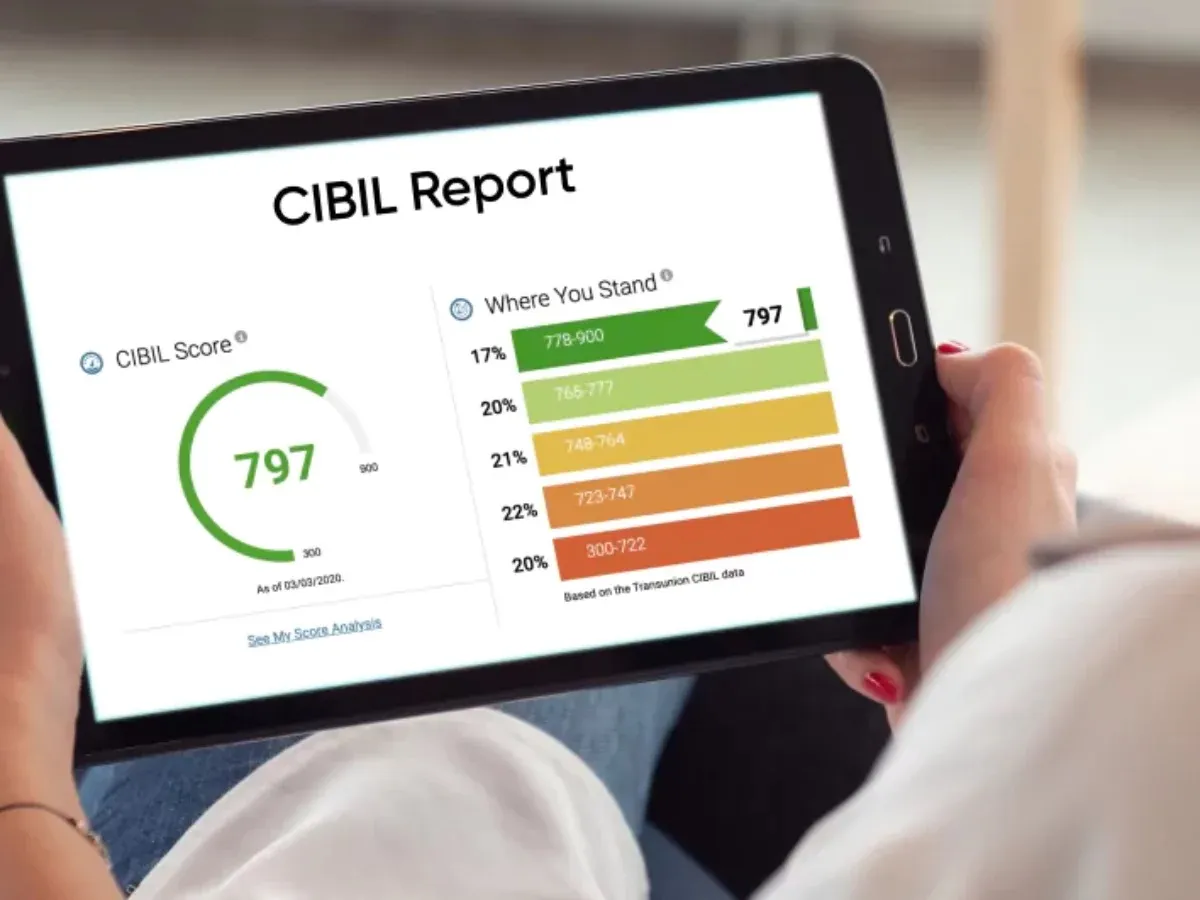
A CIBIL score is one of the credit scores commonly used by lenders in India to assess a borrower's creditworthiness. A stronger credit profile may improve your chances of getting credit, although a high score alone does not guarantee loan approval. Lenders can also consider income, existing debt, employment, repayment capacity and their internal eligibility criteria.
If your CIBIL score is lower than expected, there is no instant formula to repair it. However, responsible credit behaviour over time can help improve your credit profile. Depending on your individual credit history and how quickly updated information is reported, positive changes may become visible within several months.
Here are some practical steps that can help you work towards a healthier credit score.
1. Never Miss Credit Card or Loan Payments
Your repayment behaviour is one of the most important parts of your credit profile. If you have an existing loan or credit card, make it a priority to pay the amount due on time.
Repeatedly missing EMIs, paying credit card bills after the due date or allowing accounts to remain overdue can negatively affect your credit history.
One simple solution is to set reminders several days before the payment deadline. You may also consider enabling automatic payments from your bank account, provided you maintain enough balance to cover the amount due.
Paying on time consistently is more useful than trying to repair the damage after several missed payments.
2. Keep Your Credit Card Utilisation Under Control
Making payments on time is important, but how much of your available credit you regularly use also matters.
For example, suppose your credit card has a limit of ₹1 lakh and your outstanding balance frequently remains close to ₹90,000. This indicates that you are using a large portion of your available credit.
This ratio is commonly referred to as credit utilisation.
Frequently using a very high percentage of the available limit may make your credit profile appear more stretched, especially when combined with other outstanding loans.
Instead of routinely maxing out your cards, try to maintain sufficient unused credit wherever financially practical.
3. Pay More Than the Minimum Amount Due
Credit card statements usually provide a "minimum amount due," but paying only this amount should not be confused with clearing the entire bill.
If you repeatedly pay only the minimum while carrying the remaining balance forward, interest charges can accumulate and your outstanding debt may become increasingly difficult to manage.
Whenever possible, paying the total outstanding credit card bill by the due date can help you avoid revolving a large balance and paying unnecessary interest.
If you already have significant credit card debt, focus on creating a realistic repayment plan rather than taking additional expensive credit simply to maintain spending.
4. Avoid Applying for Too Many Loans at the Same Time
When you urgently need money, it can be tempting to submit loan applications to several banks and lenders simultaneously. However, making numerous credit applications within a short period may not always help your credit profile.
When lenders assess a new application, they may conduct a credit enquiry. Multiple hard enquiries within a relatively short period can indicate that a borrower is actively seeking substantial amounts of new credit.
Instead, compare eligibility conditions before formally applying and focus on lenders and products where your financial profile is more likely to meet the requirements.
5. Check Your Credit Report for Incorrect Information
A lower credit score is not always caused entirely by current borrowing behaviour. Your credit report could sometimes contain outdated or incorrect information.
Review your credit report periodically and check whether your personal details, loan accounts, outstanding balances and repayment records are accurate.
For example, if a loan you have fully repaid is incorrectly shown as overdue or an unfamiliar credit account appears on your report, you should investigate it.
Where you find an error, raise a dispute through the appropriate credit bureau and, where necessary, contact the lender that supplied the information.
6. Don't Close Old Credit Accounts Without Considering the Impact
Consumers sometimes assume that immediately closing every unused credit card will automatically improve their score. The situation can be more complicated.
An older account with a positive repayment history can contribute to the overall length and quality of your credit history. Closing a card can also reduce your total available credit limit, which could increase your overall utilisation ratio if you continue carrying balances on other cards.
That does not mean you should keep every credit card forever. Cards with high annual fees or products you no longer need may still be worth closing.
The important point is to consider the broader impact before making a decision.
7. Borrow Only What You Can Comfortably Repay
Improving your credit profile ultimately depends on sustainable financial behaviour.
Before taking a new loan, calculate whether the EMI comfortably fits within your monthly budget after accounting for rent, household expenses, insurance, existing EMIs and emergency savings.
Taking on more debt than you can realistically manage increases the risk of missed payments, which can further weaken your credit history.
A smaller loan that you can repay comfortably may be financially healthier than borrowing the maximum amount a lender is willing to offer.
Can Your CIBIL Score Improve Within Six Months?
Some borrowers may notice an improvement in their credit profile within six months after adopting better repayment and credit-management habits. However, there is no guarantee that everyone's score will rise within a fixed period.
The speed and extent of improvement depend on several factors, including previous missed payments, outstanding debt, credit utilisation, the age of accounts, recent credit enquiries and how lenders report account information.
Serious past defaults can take considerably longer to overcome than a temporary increase in credit card utilisation.
A Better CIBIL Score Does Not Guarantee Loan Approval
A healthy credit score can strengthen a loan application, but it is only one part of a lender's assessment.
Banks and financial institutions may also evaluate your monthly income, employment stability, existing financial obligations, debt-to-income ratio, age and the type and amount of loan requested.
Therefore, instead of chasing a particular CIBIL score solely to secure a loan, focus on building a consistently healthy credit profile.
Pay your EMIs and credit card bills on time, keep outstanding balances manageable, avoid unnecessary loan applications and regularly review your credit report. Over time, these habits can help strengthen your creditworthiness and potentially improve your chances of getting favourable credit offers.