
LIFESTYLE
Bed Maintenance Tips: Does your wooden bed creak when you turn over? Here's how to stop the creaking.
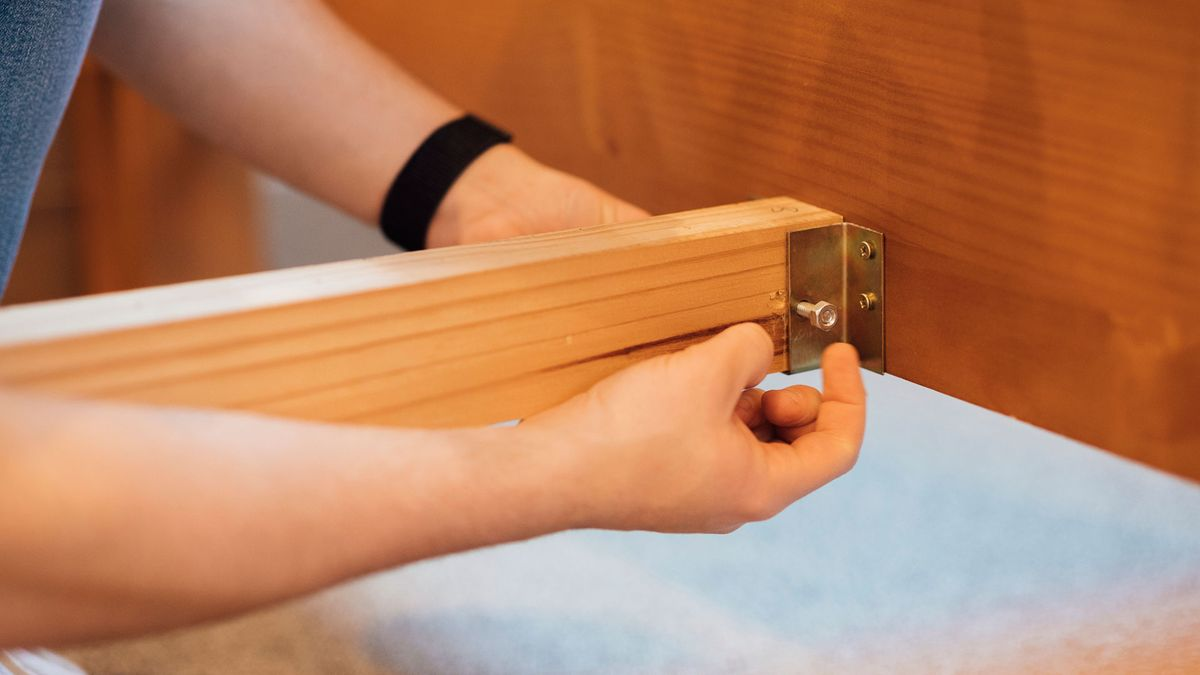
Furniture Tips: To determine if the bed is making noise, first remove the mattress and carefully examine the bed frame. Pay special attention to the headboard and the junction of the side rails.

How to stop a wooden bed from creaking?
Easy Hacks To Stop Bed Frame From Creaking: If a wooden bed starts making a slight creaking sound as you lie down at night, your sleep is sure to be disturbed. Initially, this sound is barely audible, but can increase over time. People often mistake it for a mattress problem, but the sound is actually coming from a loose joint, wooden slat, or support. Therefore, before replacing the bed or immediately calling a mechanic, it's important to find out where the sound is coming from.
First, remove the mattress and check it.
To determine if the bed is making noise, first remove the mattress and carefully examine the bed frame. Pay particular attention to the joints between the headboard, footboard, and side rails. Sometimes, loose screws or bolts can cause the wooden parts to move and rub against each other. This friction can cause the creaking.
Try shaking the bed slightly
An easy way to determine the source of the noise is to gently shake different parts of the bed. First, slightly press the headboard, then check the side frames and footboard. Any area that produces the same sound when shaken is most likely the problem. Then, inspect the joint thoroughly to see if any screws, bolts, or other pieces of wood are loose.
Check the center support and slats as well.
If the sound isn't coming from the edges of the bed, check the center support and wooden slats. These parts can move slightly under weight and rub against the frame. Older beds, especially, can cause this noise due to the wood drying out or shifting slightly over time.
Check screws and bolts are tight
If the noise is coming from a joint, first check its screws and bolts. Tighten loose screws with a suitable screwdriver and tighten the bolts properly. Avoid tightening the screws with excessive force, as this may damage the wood or the screw holes.
What if the screw hole is loose?
In a wooden bed that's been years old, the screws may not hold properly. If the screw holes are worn out, simply tightening them won't solve the problem. In such cases, it's best to use a proper wood repair method. If the joints are too weak, it's best to have them inspected by a craftsman.
The friction of wooden parts can also be the reason
Sometimes, even though no screws are loose, the noise is caused by two wooden parts rubbing against each other. Changes in temperature and humidity can cause the wood to expand or contract, slightly altering the fit of the joint. If the noise is clearly coming from two wooden parts rubbing together, applying a suitable wax or furniture friction reducing product between them may help. Make sure it's secure to the bed's finish first.
Place felt between the slats and the frame
If the wooden slats are rubbing against the frame, a thin felt or suitable pad can be placed between the contact points. This can reduce the direct friction between the two surfaces and reduce noise. The pad should not be so thick that it lifts the slats out of their proper position.
Check the mattress and box as well.
Sometimes the noise isn't coming from the bed itself, but from the mattress or box spring. So, if the noise persists after checking the frame, try moving or repositioning the mattress. If the noise shifts or disappears, the problem may be with the mattress rather than the bed.
The creaking may also come from the floor
If the bed frame is okay, check the floor underneath. The movement of the bed legs can create pressure between the floor and the bed. In such a situation, felt pads or non-slip pads can be placed under the bed legs. This will reduce bed movement and noise.