
LIFESTYLE
Lean Fatty Liver Disease: Fit on the outside, unfit on the inside? 'Silent' fatty liver is rapidly increasing among lean people.
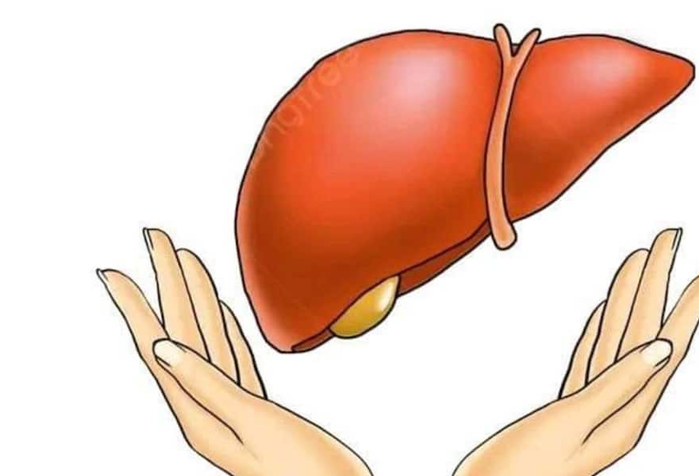
Why Thin People Get Fatty Livers: Fatty livers are becoming a problem even for thin people. Let us explain the causes and how to treat them.
Can thin people also have fatty liver?
Can Thin People Get Fatty Liver? Often, people believe that if the stomach is flat and the weight is normal, then the body is completely healthy. But doctors say that sometimes a silent problem is developing within a normal-looking body, such as fatty liver. This happens when excessive fat accumulates in the liver cells. The special thing is that this problem is not limited to obese people, but is also increasing rapidly in thin-looking people. This is called lean fatty liver or lean NAFLD, i.e., non-alcoholic fatty liver disease.
When is it considered that there is a problem with fatty liver?
Fatty liver is diagnosed when more than 5 percent of the liver cells are fat-deposited. This impairs the liver's vital functions, such as filtering toxins from the body and maintaining a balance of sugar and fat levels. Initially, this disease doesn't cause any significant pain or symptoms, so people often discover it during a routine blood test or ultrasound.
Why do thin people have problems?
Many people wonder how someone who is thin can accumulate fat in their liver. According to a study by the US National Institutes of Health, weight alone doesn't determine liver health. Visceral fat, especially around the organs, often causes more damage. A person may appear thin on the outside, but internal fat can affect the liver. Experts say that poor diet, prolonged sitting, stress, and genetic factors also increase this risk.
Lifestyle is also responsible.
Nowadays, many people eat less, but not the right foods. Packaged snacks, sweetened beverages, white bread, refined carbohydrates, and high-sugar foods gradually put pressure on the liver. The liver converts excess sugar into fat, and this fat accumulates over time. This risk is even higher in South Asians, especially Indians. Research shows that fat in Indians often accumulates around the abdomen and liver. Furthermore, poor gut health can also cause inflammation and increased fat in the liver.
How can this be fixed?
The good news is that fatty liver can be reversed in its early stages. A balanced diet, regular exercise, adequate sleep, and stress management can gradually improve the liver. Experts say that even a short walk after meals is beneficial for the liver. Therefore, judging health solely by body size is inaccurate. Regular health checkups, blood tests, and ultrasounds can help identify fatty liver in time.