LIFESTYLE
Know how many days the vegetables kept in the fridge do not spoil, this is an important thing.
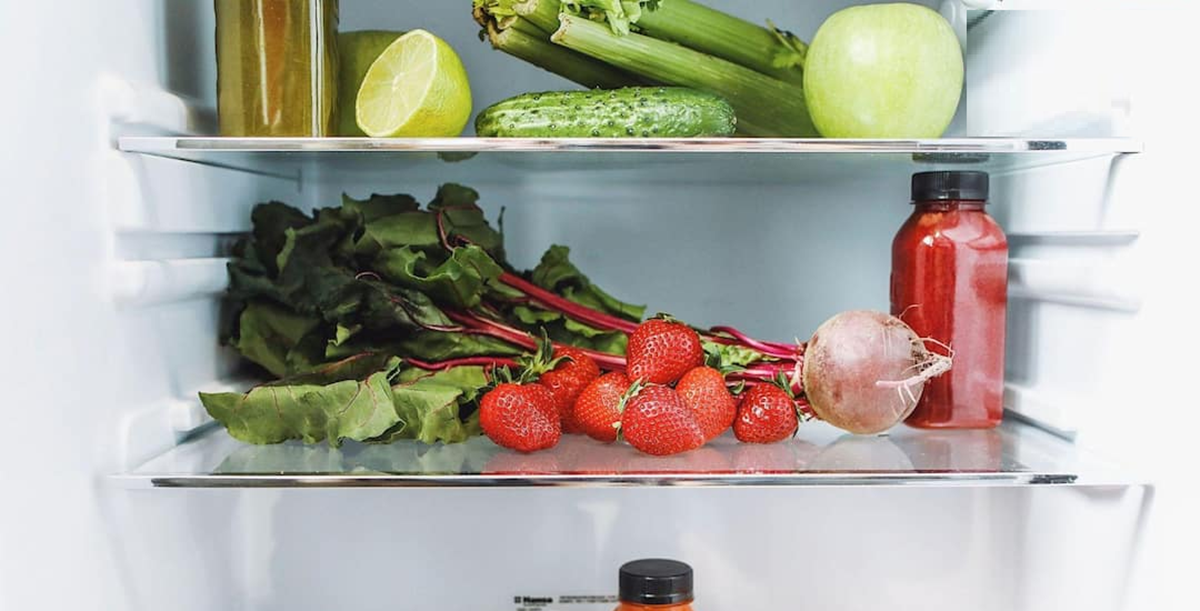
Keeping vegetables in the refrigerator can help preserve their freshness for a long time, but the storage life of each vegetable is different. So, learn an easy way to store vegetables in the refrigerator.
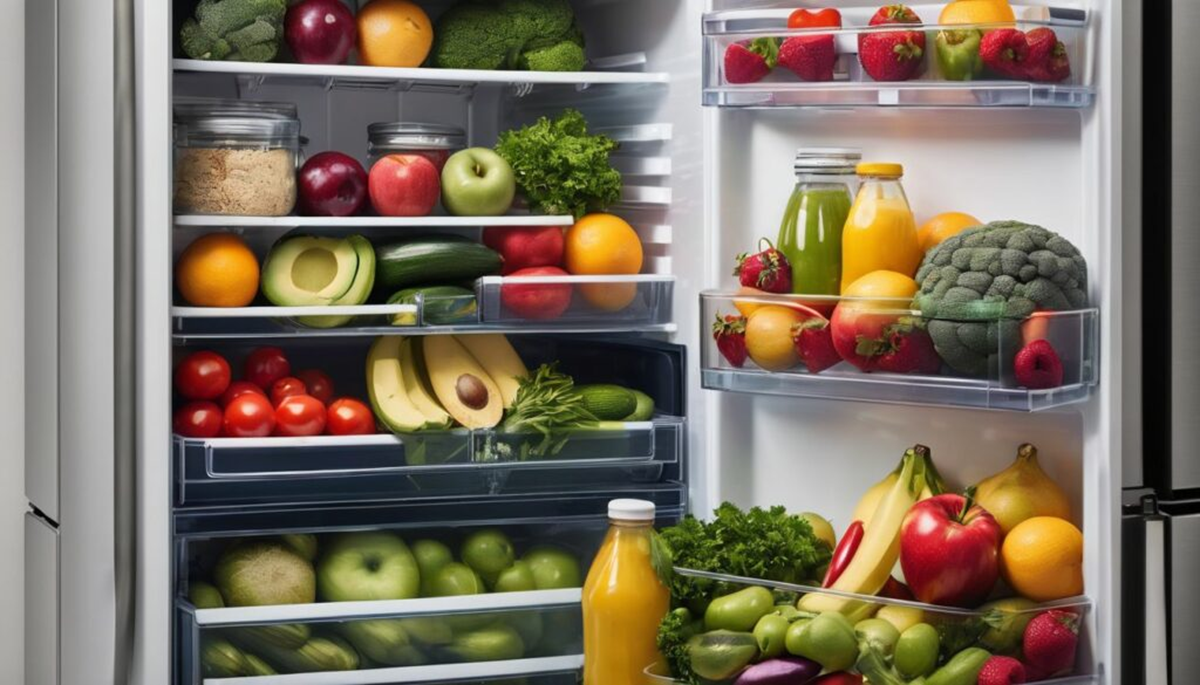
How many days do vegetables kept in the fridge not spoil?
Whether it's summer or winter, it's common to buy a large quantity of vegetables at home and store them in the refrigerator. This eliminates the need to go to the market every day and saves time. But did you know that not all vegetables stay fresh forever, even after refrigeration? Some vegetables last for a few days, while others spoil quickly.
Simply keeping vegetables in the refrigerator isn't enough to maintain their freshness. Temperature, humidity, packaging, and the type of vegetable also have a significant impact. Therefore, it's important to know which vegetables can be safely stored in the refrigerator for how long. Let's find out.
Green leafy vegetables spoil quickly.
Spinach, fenugreek, coriander, and other leafy vegetables wilt faster than other vegetables. It's best to thoroughly clean and dry them before storing them in the refrigerator. However, water or moisture in the leaves can cause them to spoil quickly. It's generally best to use leafy vegetables within a few days. If the leaves develop a slimy, strong odor, or a different color, they should be avoided
How long do carrots, beans, and bell peppers last?
Vegetables like carrots, beans, and bell peppers can be stored for several days if stored properly. It's best to store them in the vegetable compartment of the refrigerator. Instead of airtight packaging, store vegetables in packaging that allows for some ventilation. Whole vegetables generally have a longer shelf life than chopped vegetables. Therefore, cutting vegetables as needed is a better option.
It is not necessary to keep potatoes and onions in the fridge.
Potatoes and onions generally don't need to be refrigerated. They're best stored in a cool, dry, and well-ventilated area. Storing them in a humid environment can increase the risk of sprouting or rotting. Similarly, garlic is best stored in a dry, well-ventilated area. However, its shelf life may vary depending on the temperature and weather in the home.
Be extra careful with chopped vegetables.
It's not advisable to store chopped vegetables in the refrigerator for long periods of time. After cutting, the surface area of the vegetable increases, making it more susceptible to bacteria. Therefore, it's best to store chopped vegetables in a clean, covered container and use them promptly. If cooked vegetables are leftover, they should be quickly cooled and stored in the refrigerator rather than left at room temperature for long periods. It's also important to reheat them thoroughly before eating.