
LIFESTYLE
Japanese Cleaning Habits: Why Do Japanese Homes Always Sparkle? Note These 5 Simple Secrets
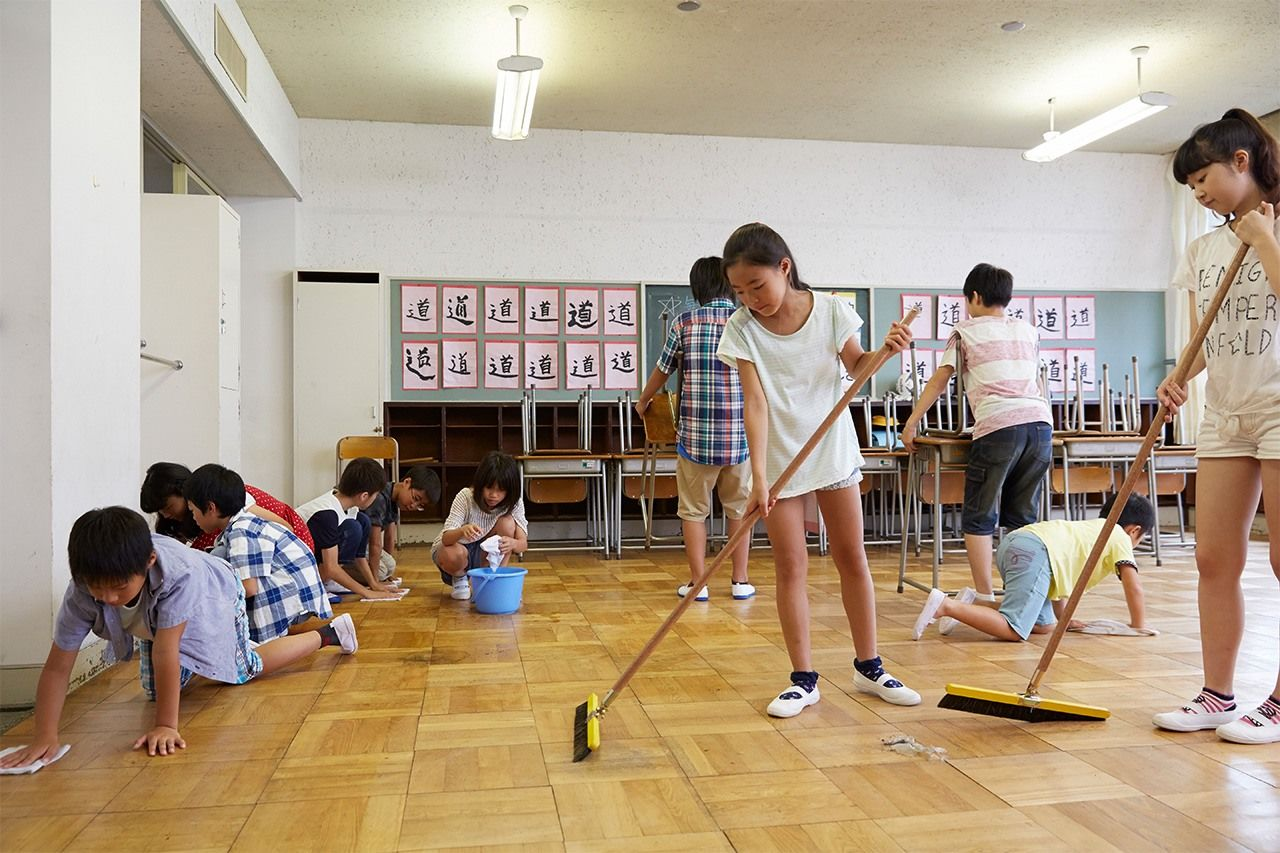
Japanese Lifestyle: In Japan, children are taught from a young age to keep their space clean. Cleaning in schools isn't just the responsibility of the cleaning staff.
How do Japanese people keep their homes so clean?
How Japanese Keep House Clean Every Day: The mention of Japan often brings up its cleanliness. Visitors to Japan for the first time are often astonished by the cleanliness of its streets and public spaces. Remarkably, in many places, dustbins are scarce, yet people don't throw their garbage here and there. How do homes and surrounding areas in Japan remain so clean? The answer lies not in any single cleaning product, but in the everyday habits that people learn from childhood.
Cleanliness habit from childhood
In Japan, children are taught from a young age to keep their surroundings clean. Cleaning isn't just the responsibility of school staff. Children's daily schedules also include cleaning time. They clean classrooms, corridors, stairs, and even restrooms. The impact of this practice goes beyond the school. Children gradually understand that it's their responsibility to keep the spaces they use clean. This thinking then extends to their homes and surrounding areas.
Removing shoes before entering the house
A small but crucial part of Japanese home cleanliness is not wearing outdoor shoes inside. At the entrance of the house, there's a designated area where people remove their shoes. This significantly prevents street dust and dirt from reaching the floor. This practice is also observed in schools. Students leave their shoes in their lockers upon arrival and use separate shoes for indoor use. Even at home, visitors are expected to remove their shoes.
Separate slippers for the toilet
In many Japanese homes, there's a practice of keeping separate slippers for the toilet. These slippers are used only in the bathroom or toilet and are not worn in other parts of the house. This way, there's less chance of bathroom dirt and germs being carried to the rest of the house. This method is very simple and can be adopted in any home.
No waiting for a major cleanup
Another distinctive Japanese cleaning habit is not waiting for dirt to accumulate. Small things are done daily, like wiping down the kitchen counter while tea is being made or immediately drying the sink after brushing your teeth. These tasks aren't difficult or time-consuming. But doing them daily prevents a large layer of dirt from building up, reducing the need for hours of cleaning later.
Less stuff in the house makes cleaning easier.
The concept of keeping less stuff also helps with cleaning Japanese homes. A home without unnecessary items on tables, shelves, and floors makes dusting easier. Fewer items mean fewer areas for dust to accumulate and fewer items to remove during cleaning.
Letting fresh air into the house daily
Along with keeping the house clean, it's also important to take care of the air. In Japan, there's a practice of opening windows daily to remove stale air. Even during the cold season, windows are opened for short periods of time. Leaving bedding and other items exposed to sunlight also helps keep the house fresh. This practice can be especially useful during seasons when humidity and dampness are more prevalent.
No need for expensive cleaners
It's not considered necessary to purchase separate, expensive cleaning products for every cleaning task. The source also mentions using basic ingredients like baking soda, vinegar, and warm water in Japanese homes. However, before using any cleaning product, it's important to check that it's safe for the surface in question. In particular, mixing different chemicals should be avoided.
Let the kids clean up their own space.
In Japan, school cleaning teaches children that keeping their place clean isn't anyone else's responsibility. Children clean their classrooms and surrounding areas daily. This habit carries over to their homes. At home, teaching children to clean their study tables, put their shoes away, and organize their belongings can be a small part of this philosophy. When cleaning becomes a daily routine, it doesn't feel like a major hassle or a daunting weekend chore.