NEWS
Is your identity on the internet truly secret? Research reveals how AI can detect your real name.

Internet Privacy: Many people use social media while concealing their identities. But a new study warns that AI could make it easier to uncover the true identities of anonymous users.
(Is your identity safe on the Internet)
Internet Privacy: Many people use social media to conceal their identities. But a new study warns that with the help of artificial intelligence, it may be easier than ever to discover the true identities of such anonymous users. According to the report, modern AI systems can combine small pieces of information from different platforms to try to figure out who is actually behind an anonymous account.
What did the research reveal?
In this study, AI researchers Simon Lerman and Daniel Palecka investigated whether large language models (LLMs) could link anonymous online profiles to real identities. In an experiment, they provided an AI system with information from a few anonymous social media accounts and instructed it to find relevant information from other sources available on the internet.
The experiment used a hypothetical example in which an anonymous user posted about problems at school and also mentioned taking his dog, Biscuit, for walks in Dolores Park.
Based on these signals, the AI searched for posts and information on other platforms and was ultimately successful in linking the anonymous profile to a real person to a large extent.
Why is the concern increasing?
Researchers say that previously, such identification required technical expertise and extensive resources. However, now, with internet connections and public AI tools, such efforts have become much easier and cheaper. This raises the question of what information on the internet can truly be considered private and what cannot.
AI isn't always accurate.
However, the report also points out that AI is not a magic solution. Sometimes, the available information is so limited that the system cannot reach a conclusion. In some cases, the number of potential suspects is so large that it becomes difficult to determine the correct identity. However, in many situations, this technology can undermine a person's anonymity.
What are the potential dangers?
According to experts, this technology could be misused in a number of ways. For example, governments could use AI to monitor anonymous activists or protesters. Furthermore, cybercriminals could exploit this technology to create highly personalized and convincing-looking scams. Researchers specifically mentioned attacks like spear-phishing, in which hackers impersonate a trustworthy individual and trick victims into clicking on a dangerous link.
How to protect the platform and users?
To mitigate this risk, experts believe that social media companies should first regulate data access on their platforms. For example, steps could include limiting the download of user data, identifying automated scraping bots, and preventing large-scale data exports.
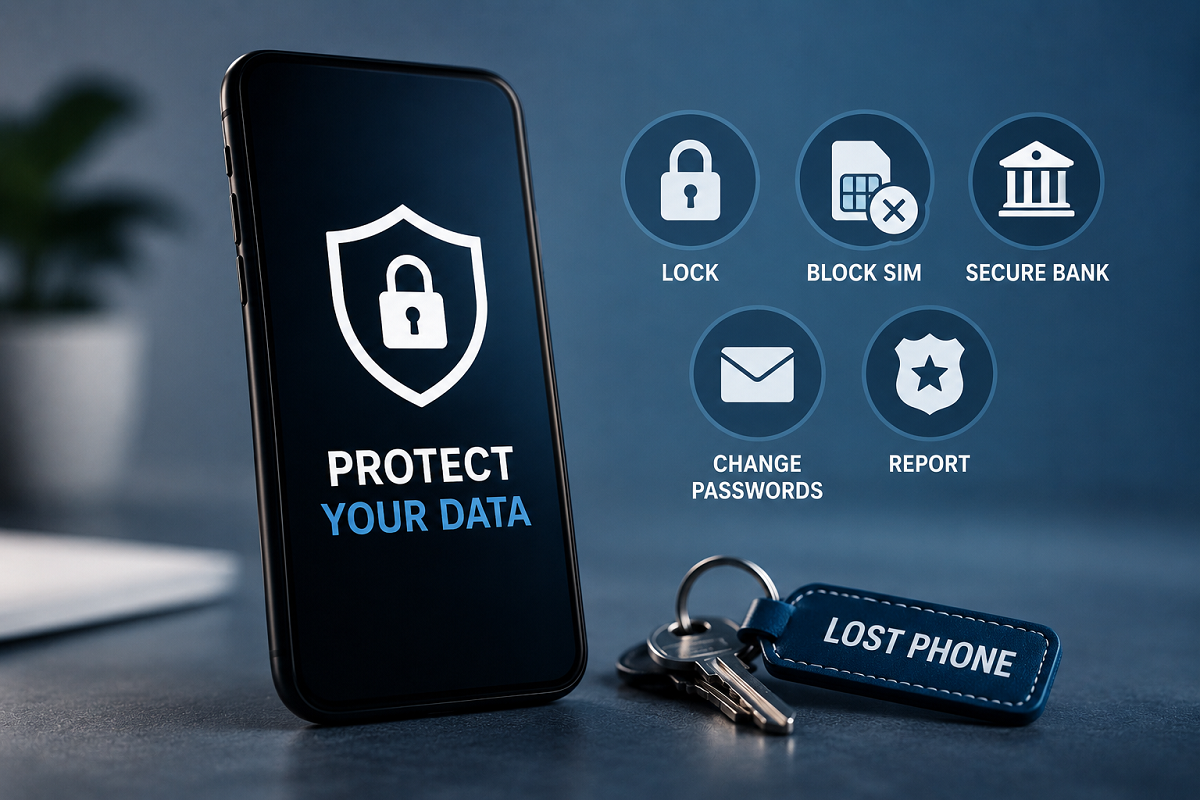
At the same time, ordinary users should also exercise caution. When posting online, they should avoid sharing personal information, location, or details that could reveal someone's true identity by combining information from different platforms.