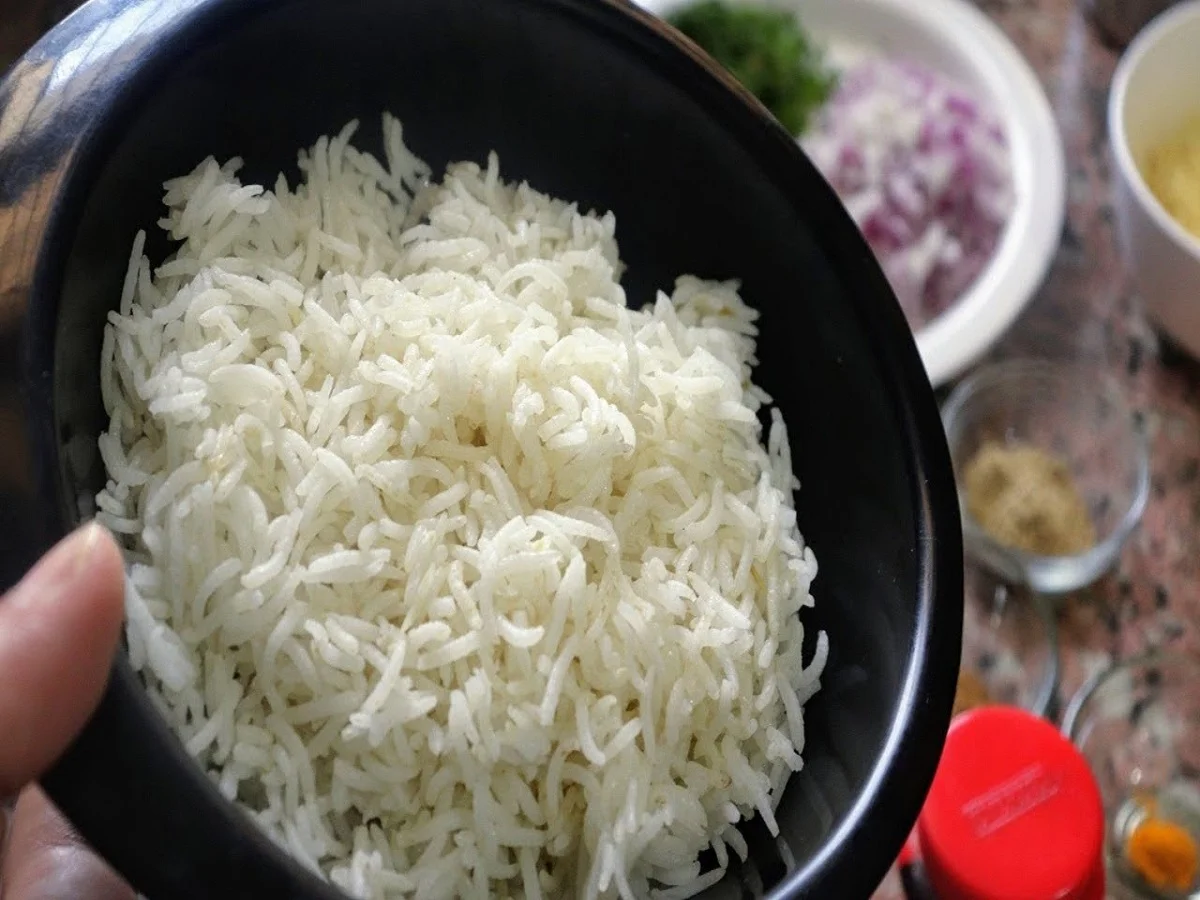
Many households cook rice for dinner and often save the leftovers for the next morning. While reheating leftover rice is a common practice, improper storage and handling can increase the risk of foodborne illness. Experts say that the problem is usually not the rice itself, but how it is stored after cooking. Here's what you should know before eating leftover rice.
Can Leftover Rice Make You Sick?
Cooked rice can be safe to eat the next day if it is cooled, stored, and reheated correctly. However, if cooked rice is left at room temperature for several hours, bacteria can multiply and produce toxins that reheating may not completely destroy.
One of the main concerns is Bacillus cereus, a bacterium that can survive the cooking process. If rice is not refrigerated promptly, the bacteria may grow and increase the risk of food poisoning.
Stomach Problems Linked to Improperly Stored Rice
Eating rice that has been left out for too long may lead to digestive issues in some people.
Possible symptoms include:
- Stomach pain
- Diarrhoea
- Vomiting
- Nausea
- Food poisoning
These symptoms usually occur due to bacterial contamination rather than because the rice has become "stale." People with weakened immune systems, young children, and older adults may be more vulnerable to foodborne illnesses.
Is Leftover Rice Harmful to Heart Health?
Some claims suggest that eating leftover rice directly increases the risk of heart disease. However, there is no strong scientific evidence showing that properly stored leftover rice itself causes cardiovascular disease.
Rice, particularly when grown in areas with naturally high arsenic levels in soil or water, can contain small amounts of inorganic arsenic. Long-term exposure to high levels of arsenic from multiple dietary sources has been associated with certain health risks, including cardiovascular disease and some cancers. However, this concern is related to overall arsenic exposure over time, not specifically to eating refrigerated leftover rice.
Maintaining a balanced diet with a variety of grains can help reduce long-term exposure.
How to Store Leftover Rice Safely
To reduce the risk of food poisoning, follow these food safety practices:
- Cool cooked rice as quickly as possible.
- Refrigerate it within one to two hours after cooking.
- Store it in a clean, airtight container.
- Keep the refrigerator temperature at 4°C (40°F) or below.
- Consume refrigerated rice within 24 hours, or according to local food safety guidance.
- Reheat the rice thoroughly until it is steaming hot before eating.
- Avoid reheating the same rice multiple times.
Signs You Should Throw Leftover Rice Away
Do not eat leftover rice if you notice:
- A sour or unusual smell
- Slimy or sticky texture
- Visible mould
- Rice left unrefrigerated for several hours
When in doubt, it's safer to discard the rice than risk food poisoning.
Tips to Reduce Food Waste
Instead of throwing away extra rice, try:
- Cooking only the amount you need.
- Refrigerating leftovers immediately.
- Using chilled rice the next day in dishes such as fried rice or vegetable rice after reheating it properly.
Final Thoughts
Leftover rice is not automatically unsafe to eat, but safe storage and reheating are essential. Most health risks arise when cooked rice is left at room temperature for too long, allowing harmful bacteria to grow. Refrigerating it promptly, reheating it thoroughly, and consuming it within a safe timeframe can significantly reduce the risk of foodborne illness. If you have concerns about food safety or experience persistent digestive symptoms after eating leftover food, consult a healthcare professional.