
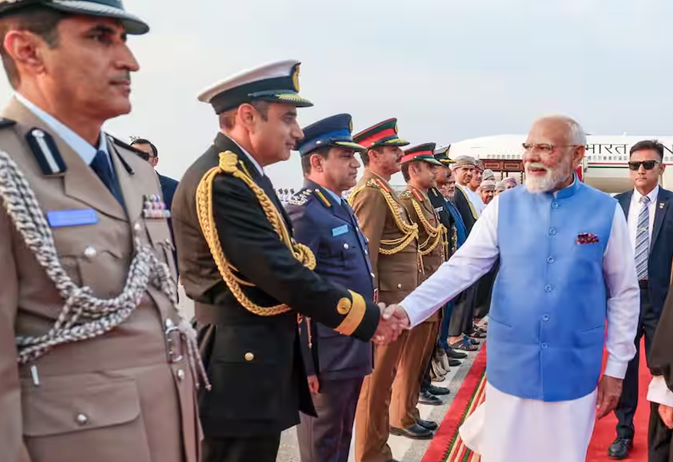
India-Oman Free Trade Agreement: PM Modi is on a four-day visit to Jordan, Ethiopia, and Oman, beginning Monday, December 15. Today, he is visiting Oman on the final leg of his trip.
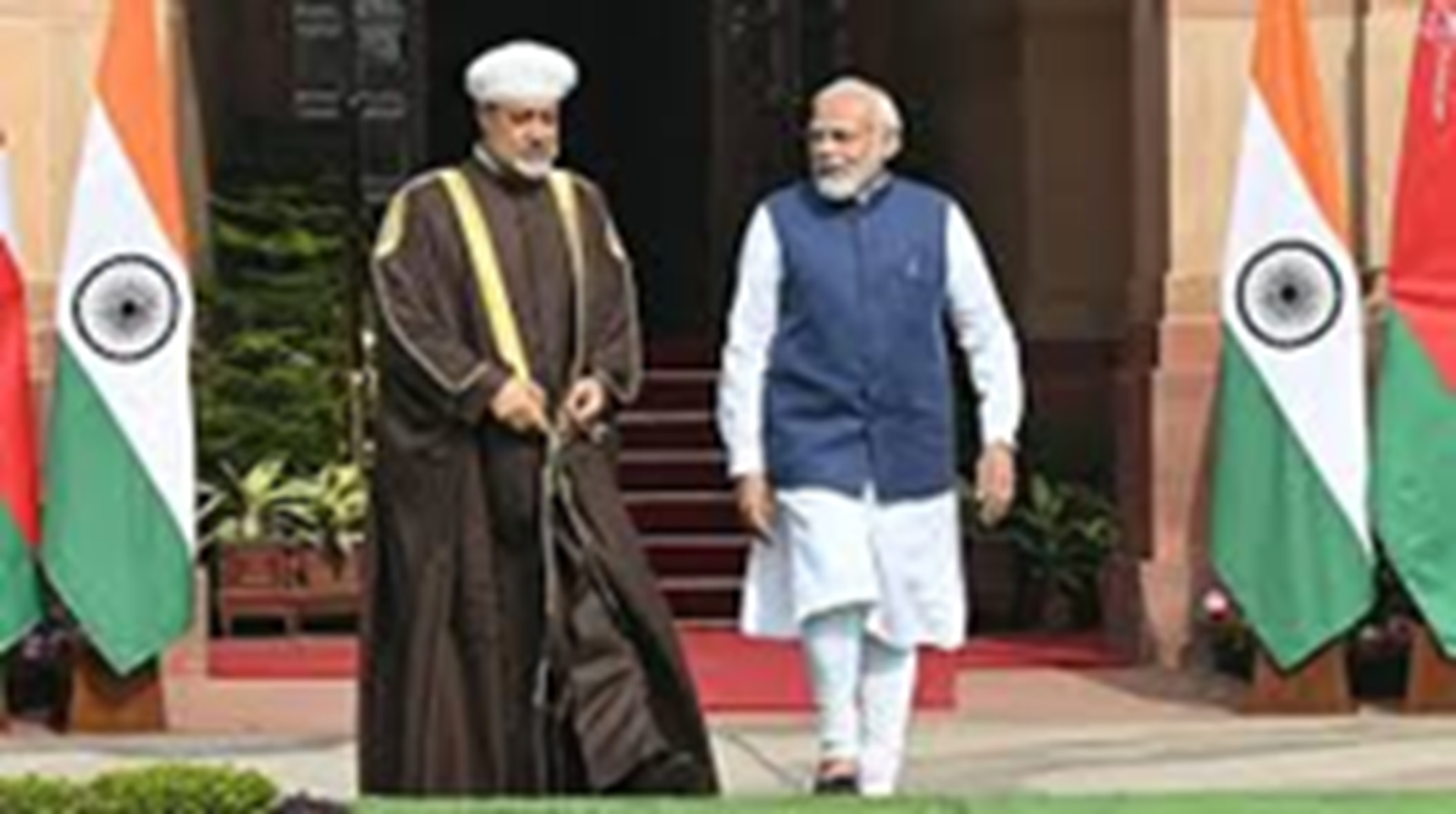
India-Oman Free Trade Agreement: Prime Minister Narendra Modi has arrived in Oman for his visit. He will meet with Sultan Haitham bin Tariq of Oman today. It is reported that the two countries will sign a free trade agreement to promote economic ties.
PM Modi arrived in Ethiopia from Jordan on Tuesday and then proceeded to Oman via Addis Ababa. According to media reports, Commerce and Industry Minister Piyush Goyal has arrived in Muscat to sign the FTA. Commerce Secretary Rajesh Aggarwal is also expected to arrive in Oman. Negotiations on a free trade agreement between India and Oman formally began in November 2023 and will now be completed this year.
Which sectors will get a boost?
This trade deal is expected to expand India's reach in the Middle East and benefit a wide range of sectors, from textiles to footwear, automobiles to gems and jewelry, renewable energy, and auto components. This will provide Indian exporters with a larger market for their goods, providing flexibility to the supply chain.
What is a free trade agreement?
A Free Trade Agreement (FTA) is an agreement between two countries. Under this agreement, countries either reduce or eliminate import duties imposed on each other. In addition to taxes, quotas, and licensing are also reduced to reduce trade barriers. FTAs increase companies' access to new markets, make business cheaper, and increase trade, thereby promoting economic growth.
India has signed several FTAs in the last few years, which are benefiting the country's farmers, traders, and exporters.
United Kingdom (2025) – India and the United Kingdom signed a free trade agreement this year, called the Comprehensive Economic and Trade Agreement (CETA). This agreement reduced tariffs on more than 90 percent of traded goods, boosting bilateral trade.
EFTA (2024) – This is a significant trade agreement signed in March last year between India and the European Free Trade Association (EFTA), an organization of four European countries (Switzerland, Norway, Iceland, and Liechtenstein). This deal was first negotiated in 2008. Negotiations stalled after 13 rounds of negotiations. Negotiations with EFTA member countries resumed in 2016. After 16 years and 21 rounds of negotiations, this deal was finally finalized.
UAE (2022) – A CEPA was signed between India and the United Arab Emirates (UAE) on February 18, 2022. Under this agreement, tariffs are being reduced on more than 90% of Indian exports, boosting trade in gems and jewellery, textiles, leather, and engineering goods.