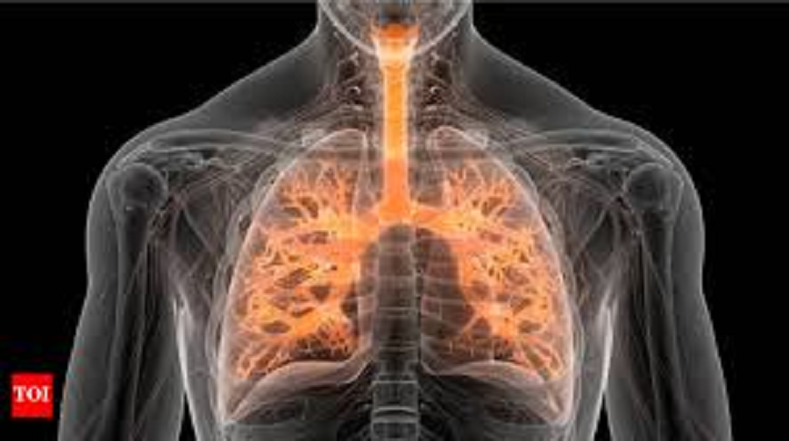
After Diwali, smog, dust, and smoke have made breathing difficult. The PM 2.5 level in Delhi's air has reached the severe category. This toxic air is having the greatest impact on the lungs.

The air quality in Delhi-NCR has once again reached dangerous levels. After Diwali, smog, dust, and smoke have made breathing difficult. The PM 2.5 level in Delhi's air has also been recorded as severe. This toxic air is having the greatest impact on the lungs. Doctors say that pollution is no longer limited to allergies and asthma, but has also led to lung cancer.
Delhi's air pollution has now become dangerous not only for smokers but also for non-smokers. So, today we'll tell you how to take special care of your lungs if you live in Delhi and how you can perform a lung test at home.
These people are most at risk
- Experts say that three types of people are being most affected by Delhi's pollution. First and foremost are those whose lungs were previously healthy but are breathing polluted air daily.
- The second group includes children and the elderly, whose lung capacity is already low due to age.
- The third group includes patients who already have lung diseases, such as lung cancer, COPD, or who have undergone chemotherapy.
How to recognize the early symptoms of lung damage
- Feeling short of breath or heaviness.
- Having frequent viral or mild fever.
- Chest tightness and persistent cough.
- Feeling constantly tired or low on energy.
How to do a simple lung test at home
Experts say that you can assess your lung capacity at home without any expensive tests. Simply take a deep breath and hold it. If you can hold your breath for 40 seconds, your lungs are fully fit. However, holding your breath for 20 to 25 seconds is also considered normal. Furthermore, exhaling for 20 seconds is a sign that pollution is affecting your lungs. Experts advise that people should perform a deep breathing and breath-holding test once a week. If you experience persistent shortness of breath, cough, or fatigue, you should immediately consult a doctor. Doctors can use tests like PFT, chest X-ray, or CT scans to determine the extent of lung damage caused by pollution.