
NEWS
If a US-Iran war breaks out, the Strait of Hormuz will be closed! How many days' worth of oil does India have? Learn everything.
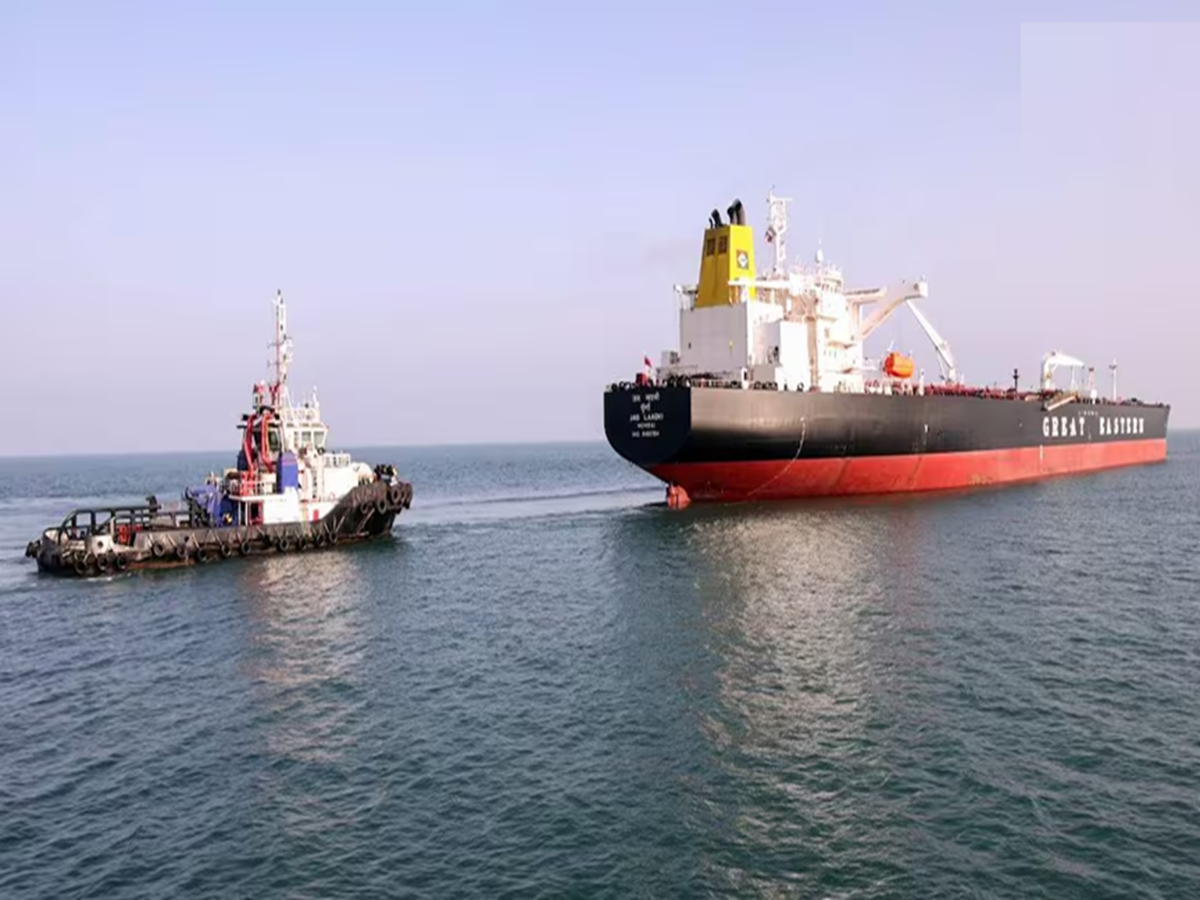
Iran-US War: US President Trump stated that the agreement with Iran is now over. Following his statement, Brent crude prices rose 6 percent to $78 per barrel.
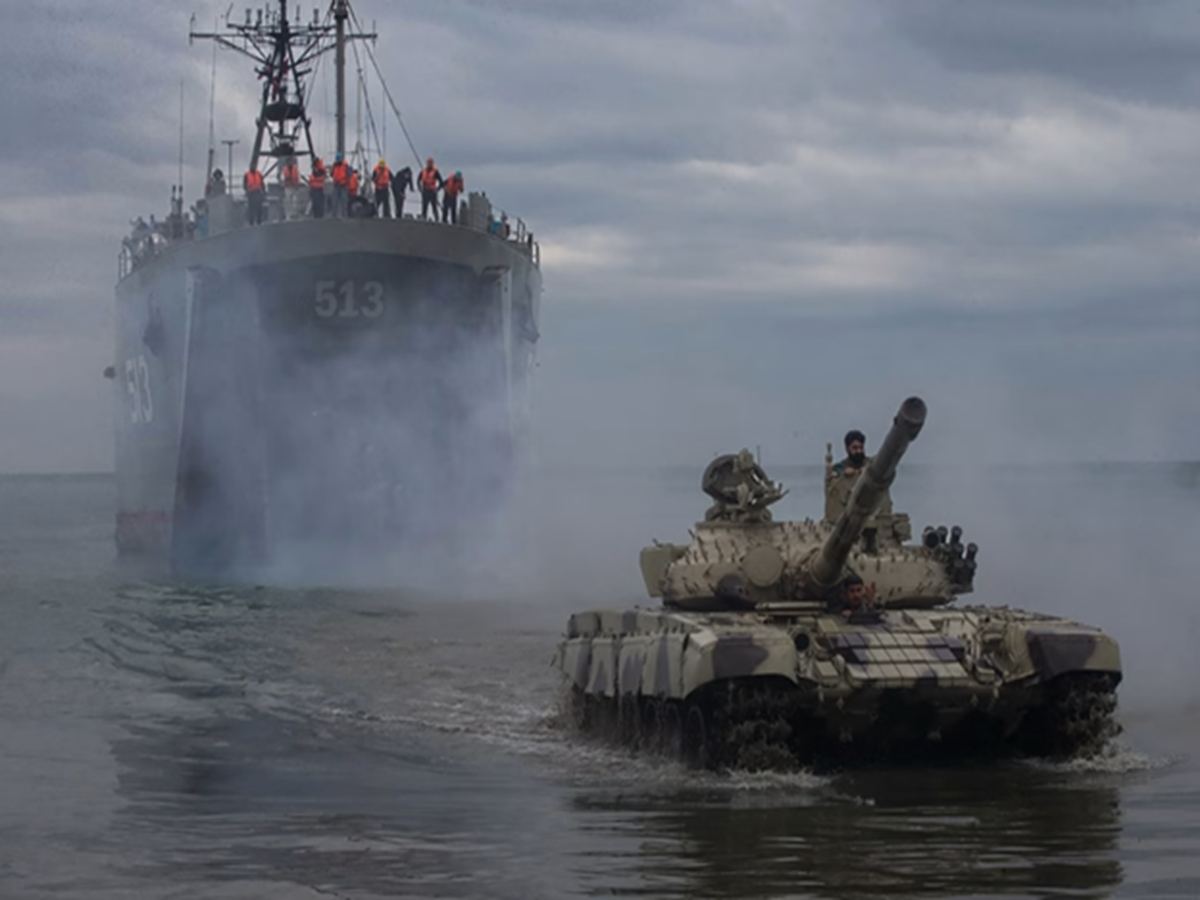
How many days' oil stock does India have?
War has once again broken out between the US and Iran, raising concerns about the global oil supply chain. US President Donald Trump stated bluntly that the agreement with Iran is now over, but negotiations will continue. The attack between US Central Command and Iran's IRGC has also increased global concerns about the Strait of Hormuz. The world is once again fearing that the Strait of Hormuz could be blocked again. Therefore, it is important to understand India's oil reserves.
Following Trump's statement, Brent crude prices rose 6 percent to $78 per barrel. Commodity intelligence firm Kpler released a report on July 3, 2028, stating that India's crude oil reserves are currently at their highest level in nearly a year. This was due to India's record crude oil imports in June 2026.
How much crude oil stock does India have?
According to the report, the total crude oil stock in India's commercial storage and refineries reached 104 million barrels in June. According to a Kpler report, India consumes approximately 5 million barrels of oil per day. Currently, India's total underground petroleum reserves are 5.33 million metric tons, equivalent to approximately 39 million barrels of crude oil. According to an Angel One report, India has 5.33 million metric tons of crude oil stored in Visakhapatnam, Mangalore, and Padur.
US Central Command said the US military has taken strong action against Iran following attacks on three merchant ships transiting the Strait of Hormuz. Xinhua news agency, citing Iranian state outlet Press TV, reported that explosions were heard near Iran's Qeshm Island and the port cities of Bandar Abbas and Sirik. The United Kingdom Maritime Trade Operations (UKMTO) reported three separate attacks on tankers transiting the Strait of Hormuz on July 7.
War rages again in the Middle East
Amid changing developments and rising tensions in the Middle East, the European Union Aviation Agency has advised airlines to avoid the airspace of Iran and Iraq. The European Union Aviation Safety Agency (EASA) said on Wednesday that airlines should not operate in the airspace of Iran and Iraq amid the current tensions and the possibility of further military action. EASA said that its advisory regarding the airspace of Iran and Iraq will remain in effect until August 31. The agency's previous advisory, which expires on Wednesday, also included Lebanon.