
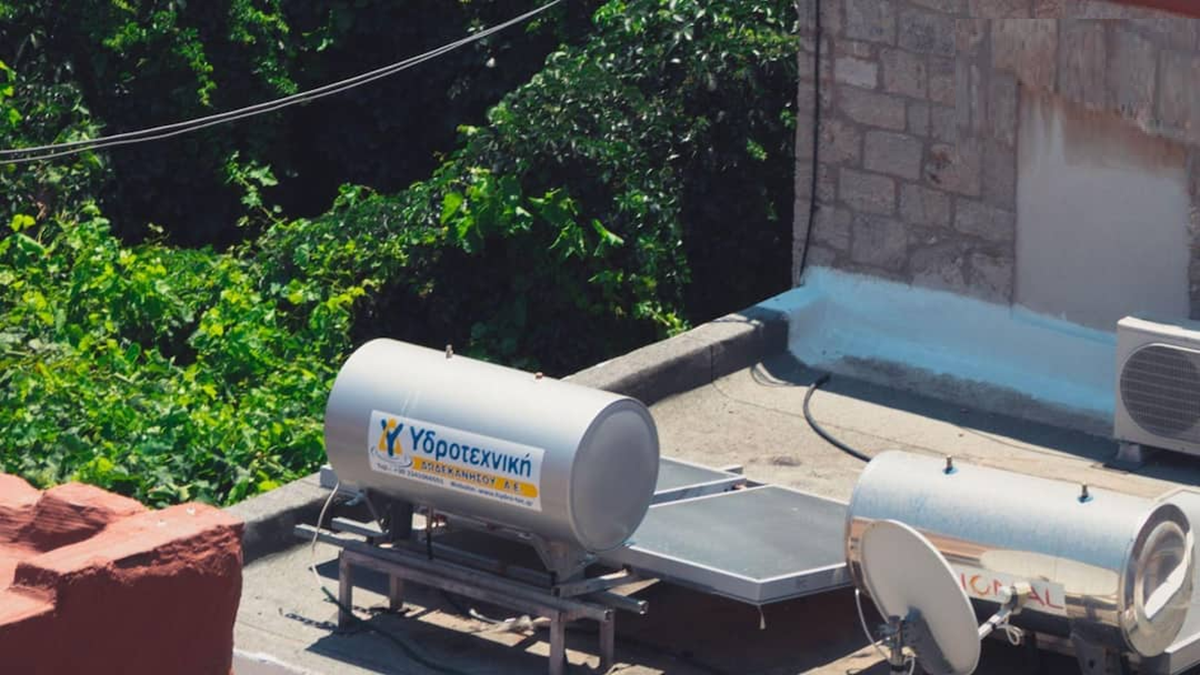
No more worrying about electricity bills this winter. Learn how a solar water geyser works and how much it costs to install it on your rooftop. Understand the full math behind government subsidies and money savings.
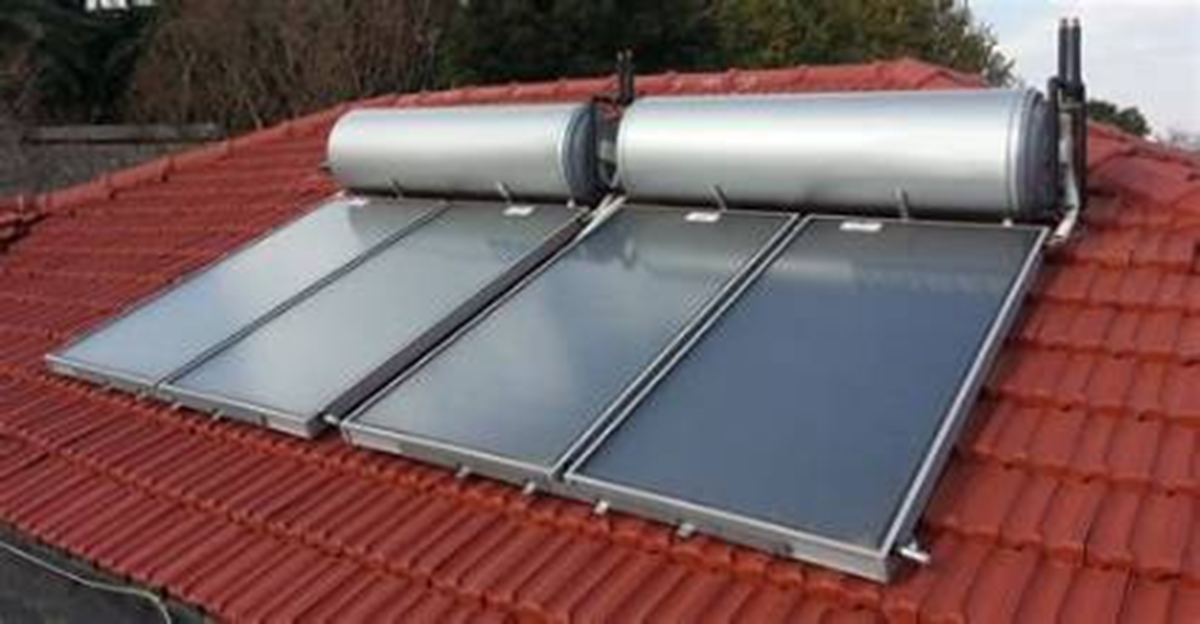
Solar Water Geyser
With the onset of winter, the use of geysers for heating water increases in every household. However, using traditional electric geysers results in high monthly electricity bills, which strains the budget of middle-class families. Solar geysers have emerged as a promising and environmentally friendly solution to this problem. This technology uses sunlight to heat water without consuming any electricity, resulting in significant savings on electricity bills. If you are considering installing a solar water geyser in your home this winter, let's find out how much it costs and how it works.
How does a solar water geyser work?
The working principle of a solar water geyser is quite simple. It is installed on the roof of a house in a location that receives sunlight throughout the day. It consists of two main components: a solar thermal collector and a storage tank. When sunlight falls on the collector, it absorbs solar energy and converts it into heat.
This heat causes the water inside the tube to heat up. Through a thermosyphon process, the hot water, being lighter, moves into the storage tank above, while the cold water from the tank moves down into the tube below. This insulated tank keeps the water hot for a long time, making hot water easily available overnight or the next morning.
How much does it cost to install a solar geyser?
The price of a solar water geyser in the Indian market depends on its capacity (LPD) and the type of collector. For a typical small family of 3 to 4 members, a 100-liter system is considered sufficient, costing approximately ₹15,000 to ₹25,000.
Meanwhile, larger families with 5 to 8 members require a solar geyser with a 200-liter capacity, which costs around ₹25,000 to ₹40,000. Additionally, an installation charge of ₹2,000 to ₹5,000 may apply, depending on the roof structure and the complexity of the plumbing.
Do you get any subsidy from the government?
While the initial purchase cost of a solar water geyser may seem a bit high, the government provides various levels of support to promote renewable energy in the country. Under current regulations, renewable energy development agencies in several states, such as HAREDA in Haryana, offer financial subsidies ranging from ₹3,000 to ₹10,000 per 100 LPD, or special discounts on electricity bills, for installing solar water heating systems in domestic areas. Additionally, under certain national and state-level welfare schemes, consumers can receive subsidies directly into their bank accounts through vendors or as loans at low rates.