Gen Z Revolution: Gen Z has now become the center of major protests around the world. Let's explore the countries where youth have shaken governments through their protests.
Gen Z Revolution: Young people and students in France are protesting against issues they believe are harming the country's education system and threatening their future. What began as a student movement in northern Paris has spread to other parts of the country. Youth-led movements have also taken place in India over employment, exam irregularities, and accountability. Currently, protests are underway demanding the resignation of the Chief Election Commissioner. These events demonstrate the growing political influence of Gen Z.
From Bangladesh to Sri Lanka, young people have used protests and social media to challenge governments. Let's explore countries where Gen Z-led movements have reportedly toppled governments.
The rise of Gen Z protests
Gen Z generally refers to those born between 1997 and 2012. This generation has become increasingly influential in political activism. They use digital platforms, viral hashtags, and street protests to mobilize support. Corruption, unemployment, economic hardship, poor public services, and restrictions on freedom have become common causes of youth-led protests around the world.
Five countries where Gen Z movements changed governments
Bangladesh
Bangladesh witnessed a major youth-led uprising in 2024. Initially, students protested against the quota system in government jobs and demanded fair employment opportunities. However, amid growing public anger and accusations of authoritarianism, the movement evolved into a major protest against Sheikh Hasina's government. The protests intensified, ultimately forcing Hasina to resign and leave the country in August 2024. This uprising demonstrated how student demands could transform into a nationwide political movement.
Nepal
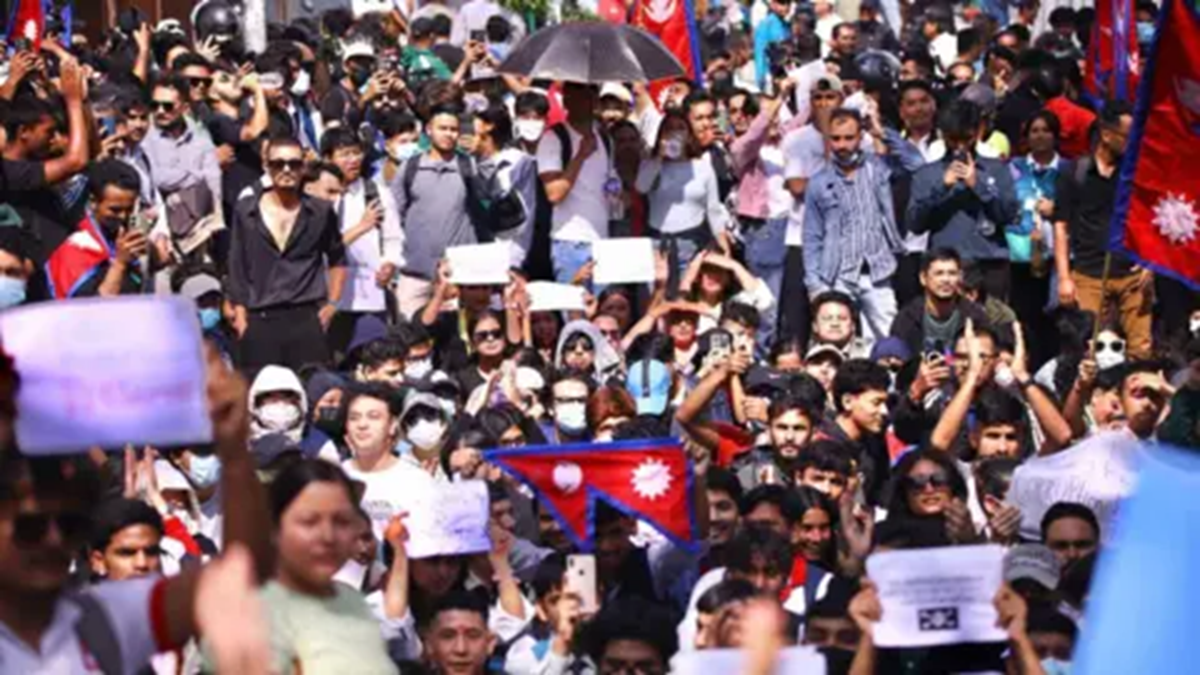
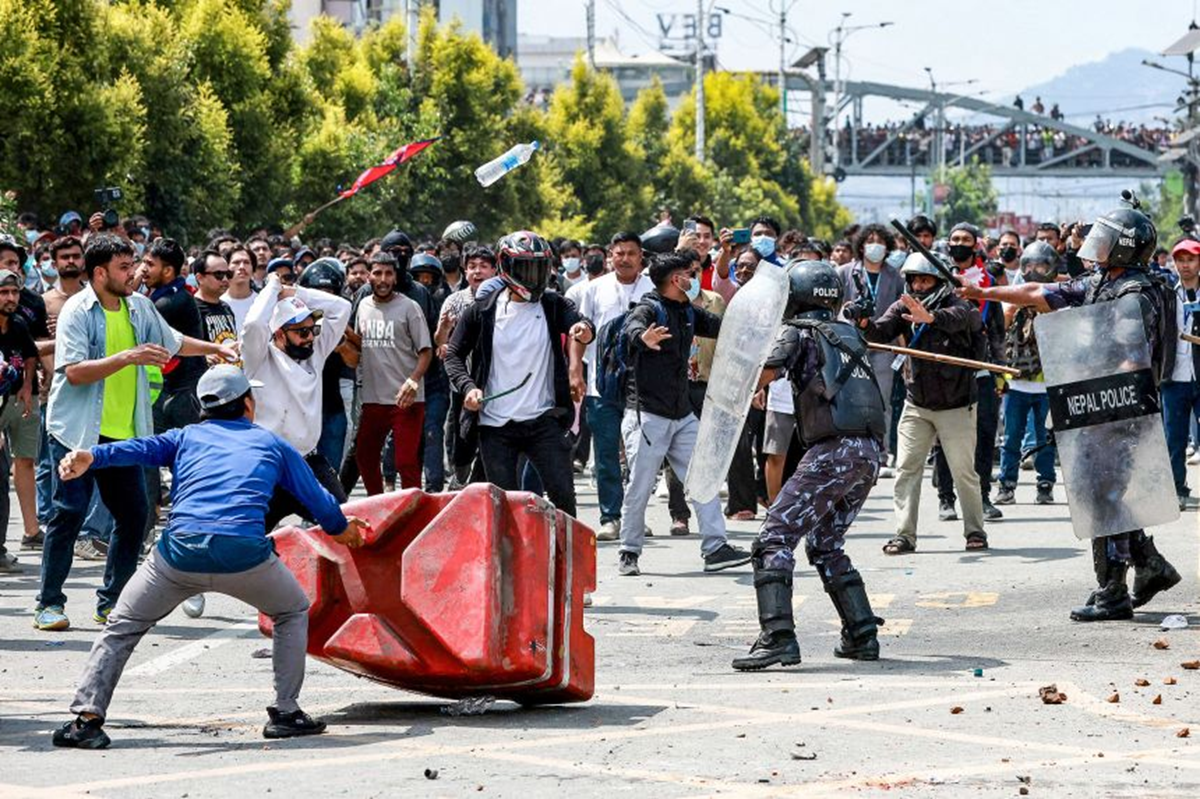
In 2005, young people in Nepal took to the streets to protest corruption, political privileges, and restrictions on social media. These protests reflected frustration with traditional political leadership and demands for greater transparency. The unrest escalated into a major political crisis, putting immense pressure on the government. Young protesters used online platforms to organize and communicate their demands. This led to the growing role of digital activism in political movements.
Sri Lanka
Sri Lanka's economic crisis led to widespread protests in 2022, as people faced hardships such as rising prices, fuel shortages, and a lack of access to essential goods. Youth played a major role in the protests, demanding political accountability. Protesters occupied several key government buildings, including the Presidential Palace. Due to mounting pressure, President Gotabaya Rajapaksa fled the country and resigned.
Madagascar
In Madagascar, young protesters protested against persistent power and water shortages, corruption, and deteriorating living standards. Public anger escalated as protesters demanded action from the authorities. This crisis ultimately led to the intervention of the UN and a change in political leadership.
Peru
Youth-led protests in Peru focused on corruption, insecurity, and concerns about the pension system. Protesters used social media to campaign and spread their message. Monkey D. Luffy, a fictional character from the Japanese manga comic One Piece, became a symbol of justice and resistance.
Countries where Gen Z forced policy changes
Youth activism has impacted government policies without replacing the entire government. In Kenya, nationwide protests against the 2024 Finance Bill forced President William Ruto to withdraw the controversial legislation. In Indonesia, the 2025 protests questioned MPs' allowances, privileges, and economic policies.
Morocco's Gen Z 212 movement raised concerns about government spending, education, and healthcare. Meanwhile, student campaigns and digital protests in India have highlighted issues such as exam paper leaks, recruitment delays, and unemployment.