
LIFESTYLE
High Cholesterol at a Young Age: Now the risk of cholesterol from a young age, 11 medical institutes have issued guidelines.

Why is cholesterol increasing at a young age?
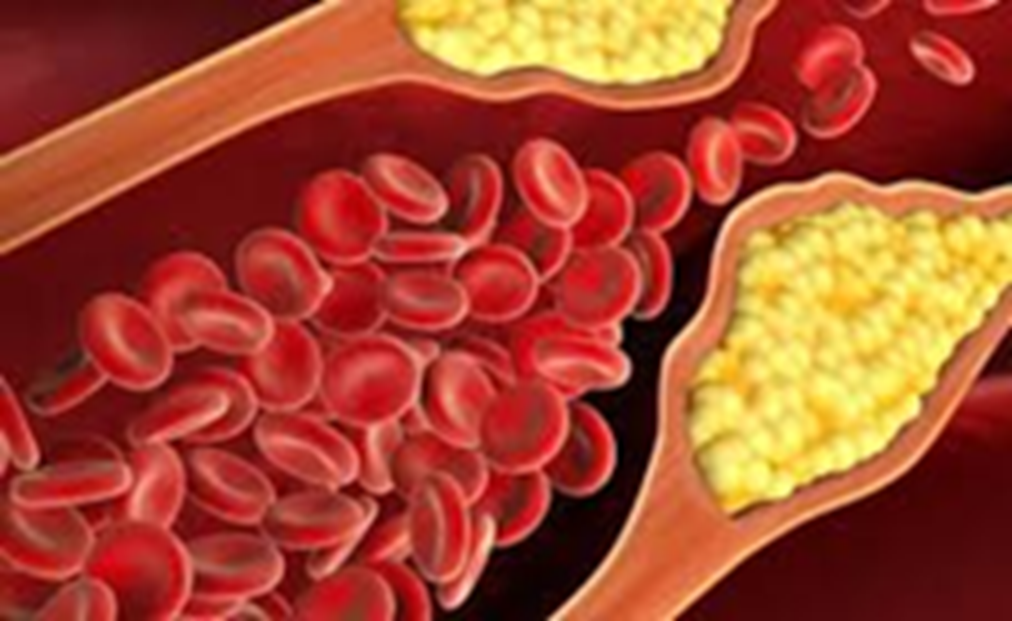
Why High Cholesterol Is Increasing In Young People: In view of the increasing Why High Cholesterol Is Increasing In Young People: In view of the increasing risk of heart diseases, experts have now clearly said that controlling cholesterol should start from an early age. According to the new guideline, people should start trying to reduce their LDL, i.e., bad cholesterol, from the age of 30, and it is important to keep it under control throughout life. The American Heart Association, American College of Cardiology, and nine other institutions have jointly issued these guidelines. Its aim is to reduce deaths due to heart diseases, which are still a major cause of total deaths. Experts say that up to 80 percent of heart diseases can be avoided by timely prevention.lesterol testing should begin in childhood. The first test is recommended around the age of 10 to identify those who have high cholesterol due to genetic factors. In such cases, immediate treatment is essential. After this, a repeat test is recommended at age 18-20, and regular screenings are recommended at least every five years. Those with conditions like diabetes or high LDL may need more frequent testing.
What should be the bad cholesterol level?
Treatment goals depend on a person's risk. Generally, everyone should aim to keep their LDL below 100. Those at high risk of heart attack or stroke within the next 10 years should aim to lower their LDL to below 70. Those who have already had a heart attack or stroke are advised to keep their LDL below 55. According to The New York Times, experts believe that the longer LDL levels remain high, the greater the risk of heart disease. Therefore, the emphasis is on adopting the principle of "the lower the better," and "the lower the better, the safer the longer."
How can we improve?
The first step to lowering cholesterol is lifestyle modification. This includes a balanced diet and regular exercise. However, medications like statins and other modern medicines may also be prescribed if needed. The guidelines also advise against relying on supplements, as their effectiveness has not been proven in most cases. Furthermore, testing for LDL alone is not sufficient; it is also important to test for a specific protein called Lp(a), which may increase the risk of heart disease.