
LIFESTYLE
Handmade Embroidery: Handmade or Machine-Made? 4 Tricks to Identify Embroidery That Shopkeepers Don't Tell You
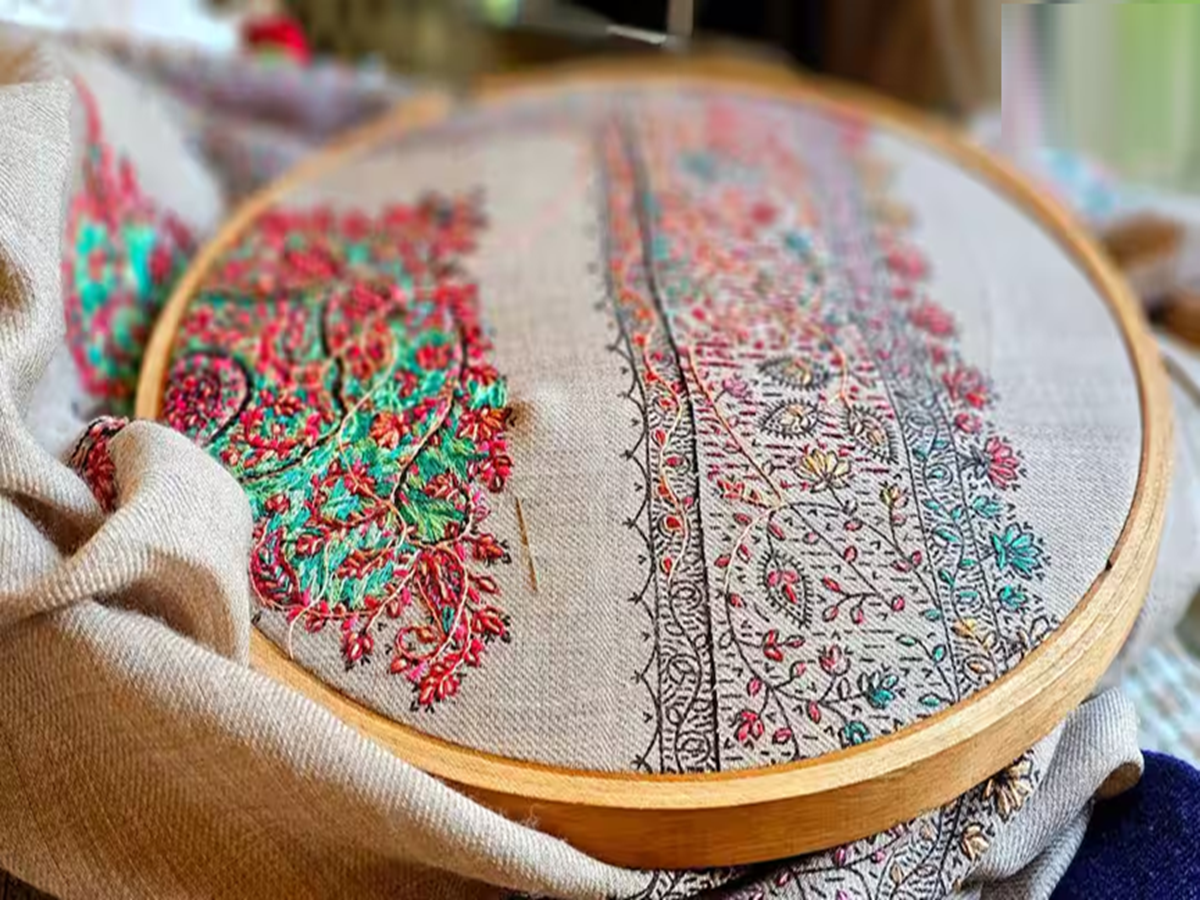
Phulkari Embroidery: Nowadays, embroidery done with the help of machines has become so precise that it is no longer easy to differentiate between real handmade and machine-made work.
How to differentiate between handmade and machine-made embroidery?
How to Identify Handmade Embroidery on Clothes: Whether it's Chikankari, traditional embroidery, Phulkari, or the intricate work of Zari-Zardozi, Indian handicrafts are recognized worldwide. However, machine-made embroidery has become so precise these days that it's no longer easy to distinguish between genuine handmade and machine-made work. Therefore, you can identify genuine craftsmanship by paying attention to a few small details when shopping.
How can you identify it?
The hallmark of hand embroidery is its inherent inconsistency. A machine may create a uniform pattern, but every stitch created by an artisan's hand will inevitably have slight variations. These small variations are what make the embroidery unique and special.
What things should be kept in mind?
If you're planning to buy embroidered fabric, first look closely at its stitches. Machine-made embroidery often has nearly identical stitches, while hand-embroidered stitches may vary slightly. This isn't a flaw, but rather a hallmark of true craftsmanship.
Look at the fabric
Another important trick is to look at the fabric from the inside. Most people only see the front, but the real secret lies behind. The back of handmade embroidery may show slight tangles, knots, or uneven patterns. The back of machine-made embroidery, on the other hand, appears quite clean and organized.
Paying attention to depth and texture
The third aspect relates to the depth and texture of the embroidery. Traditional embroidery, such as zardozi, aari, or chikankari, uses threads, beads, and other decorative elements, creating a raised effect in the design. Machine embroidery often appears flat, while handmade embroidery has a distinct vibrancy and texture.
Time also indicates the authenticity of the embroidery.
Kailash Poojary explains that time also indicates the authenticity of embroidery. Artisans must labor for days, weeks, and sometimes months to create intricate and detailed designs. Therefore, if a garment with heavy and elaborate embroidery claims to be ready in a very short time, it is more likely to be machine-made. It is also beneficial to compare different samples when purchasing. This is why genuine handmade embroidery is considered not just a design but a testament to the artisan's skill, patience, and years of experience.