LIFESTYLE
Hair Care Tips: Mix These Natural Ingredients With Henna for Softer, Shinier and Healthier-Looking Hair
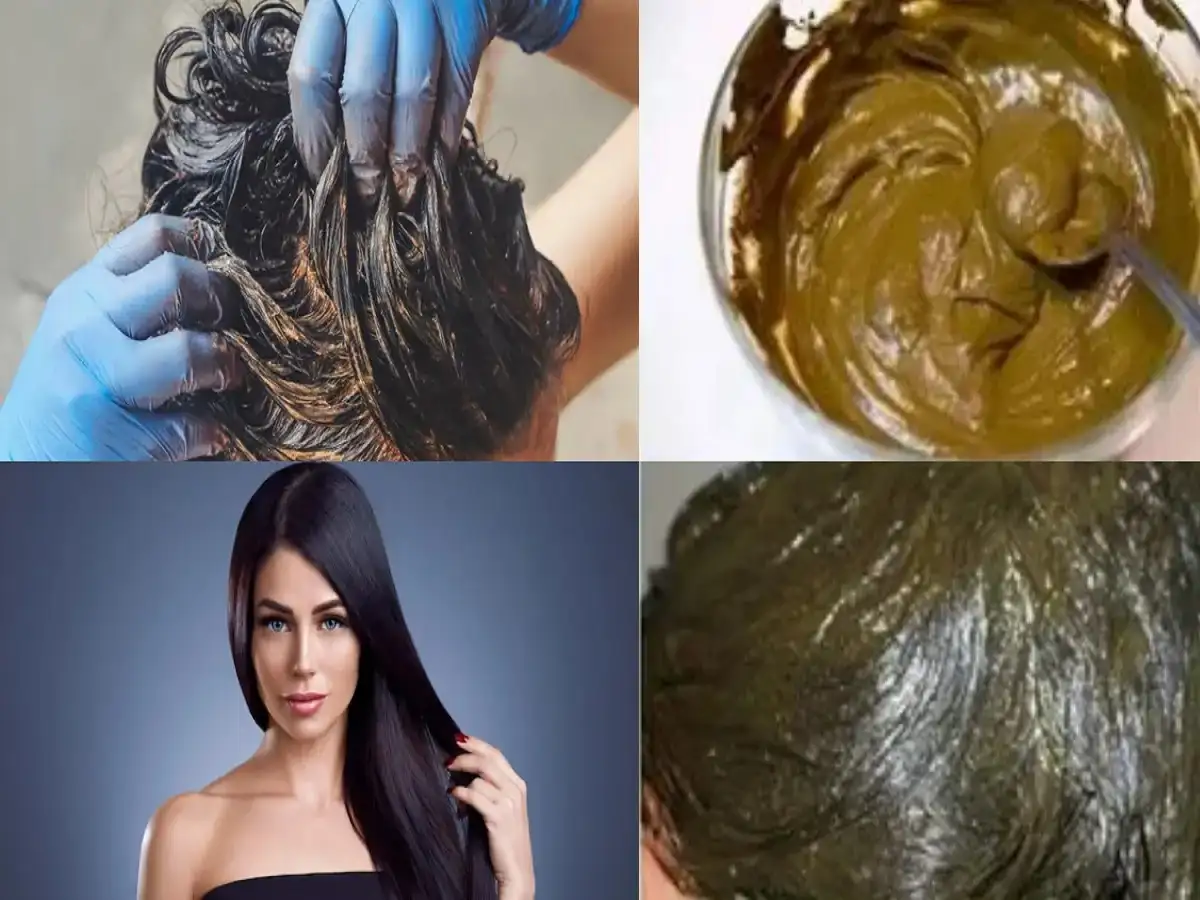
Hair Care Tips: Henna has been part of traditional hair-care routines for generations. Many people use it as a plant-based way to add a reddish-brown tone to grey hair, while others apply it mainly for its conditioning effect. When combined with selected natural ingredients, a henna hair pack may help hair feel softer, smoother and more manageable.
However, henna should not be treated as a guaranteed remedy for hair loss, premature greying or faster hair growth. The results can also differ according to hair type, existing colour, henna quality and the ingredients mixed into the paste.
Here are five commonly used ingredients that can be added to a henna hair pack.
1. Aloe Vera Can Add Moisture to the Hair Pack
People whose hair feels particularly dry after using henna can consider adding fresh aloe vera gel to the mixture.
Aloe vera contains a high amount of water and can make a hair mask feel more hydrating. When combined with henna, it may help reduce the rough or dry feeling that some people experience after the paste is washed out.
Fresh aloe vera gel can be blended until smooth before being mixed into the prepared henna paste. If using a packaged product, check the ingredient list and avoid products containing ingredients that have previously irritated your scalp.
Aloe vera may make hair feel smoother, but persistent dandruff, itching or scalp inflammation should not be treated solely with home remedies.
2. Add Curd for a More Conditioning Hair Mask
Curd is another popular ingredient used in homemade henna packs, particularly for dry or frizzy hair.
Adding a small quantity of plain curd can make the mixture creamier and may leave the hair feeling softer after washing. This combination can be particularly useful for people who find plain henna too drying.
Some people also add an egg to homemade hair masks. Eggs contain protein, but applying them externally should not be presented as a proven way to strengthen hair roots or reverse hair loss.
If you prefer an egg-free hair pack, plain curd is a convenient alternative.
3. Tea Water Can Change the Appearance of Henna Colour
Tea water is frequently used instead of ordinary water while preparing henna.
To make it, boil tea leaves in water and allow the liquid to cool completely. Strain it before gradually adding it to the henna powder until you get a smooth, spreadable consistency.
Tea contains tannins and may influence the final appearance of the henna stain, although the resulting colour varies considerably between individuals.
Natural hair colour, the percentage of grey hair, the type of henna used and processing time can all affect the final shade. Therefore, tea water should not be expected to turn henna-treated hair uniformly black.
4. Fenugreek Can Be Added to a Homemade Henna Pack
Fenugreek, commonly known as methi, is another ingredient frequently used in traditional hair masks.
Soak fenugreek seeds in water until they soften and then grind them into a fine paste. A small amount of this paste can be mixed with henna before application.
Fenugreek's naturally slippery texture can make a homemade mask feel more conditioning and may help hair feel smoother after washing.
It is often promoted as a remedy for hair fall and hair growth, but such claims should be approached carefully. Significant or persistent hair loss can have several underlying causes and should not be assumed to be something a henna-fenugreek pack can fix.
5. Hibiscus Can Be Combined With Henna
Hibiscus, or gudhal, is another popular ingredient in traditional Indian hair-care routines.
Fresh hibiscus flowers can be cleaned and ground into a paste before being added to henna. Alternatively, commercially available dried hibiscus powder can be used.
Hibiscus contains naturally occurring plant compounds, including antioxidants. In a henna pack, it can also contribute to the overall colour and conditioning experience.
Again, the final shade will depend on your original hair colour and the formulation being used.
How to Prepare a Simple Henna Hair Pack
Start with pure henna powder and add liquid gradually until you obtain a smooth paste that is easy to spread.
Depending on your hair needs, you can incorporate one or two suitable ingredients such as aloe vera, curd, fenugreek or hibiscus rather than adding everything at once.
Apply the mixture evenly to the hair while following the usage instructions provided with the henna product. Wear gloves because henna can stain your hands, nails, clothing and surrounding surfaces.
After the recommended processing period, rinse the hair thoroughly.
Will Henna Make Grey Hair Completely Black?
This is an important point for anyone using henna primarily to cover grey hair.
Pure henna generally produces orange, copper or reddish-brown tones rather than jet-black hair. The exact result depends on your original hair colour.
Products marketed as "black henna" should also be approached carefully. Some may contain additional dyes or chemicals rather than pure henna.
If you specifically want a darker brown or black appearance, products and techniques combining henna with other plant-based dyes such as indigo are commonly used. Even then, results can vary.
Do a Patch Test Before Applying Henna
Natural does not automatically mean allergy-free.
Henna, aloe vera, hibiscus, fenugreek, curd or other ingredients may cause irritation in some people. A patch test before applying a new mixture over the entire scalp is therefore a sensible precaution.
Avoid using a hair pack on irritated, injured or inflamed skin. Stop using it if you experience significant burning, swelling, rash or persistent itching.
Henna Can Be Part of Hair Care, but It Isn't a Treatment for Every Problem
Henna can be a useful addition to a natural hair-care routine, especially for people looking for plant-based colouring and conditioning.
Ingredients such as aloe vera, curd, tea water, fenugreek and hibiscus can be combined with henna depending on whether your priority is conditioning, manageability or the appearance of the final colour.
But claims that these combinations will permanently turn hair black, dramatically increase hair density or stop significant hair loss should be viewed cautiously. If you are experiencing sudden, severe or unexplained hair loss or persistent scalp problems, professional evaluation is more appropriate than relying only on homemade hair packs.