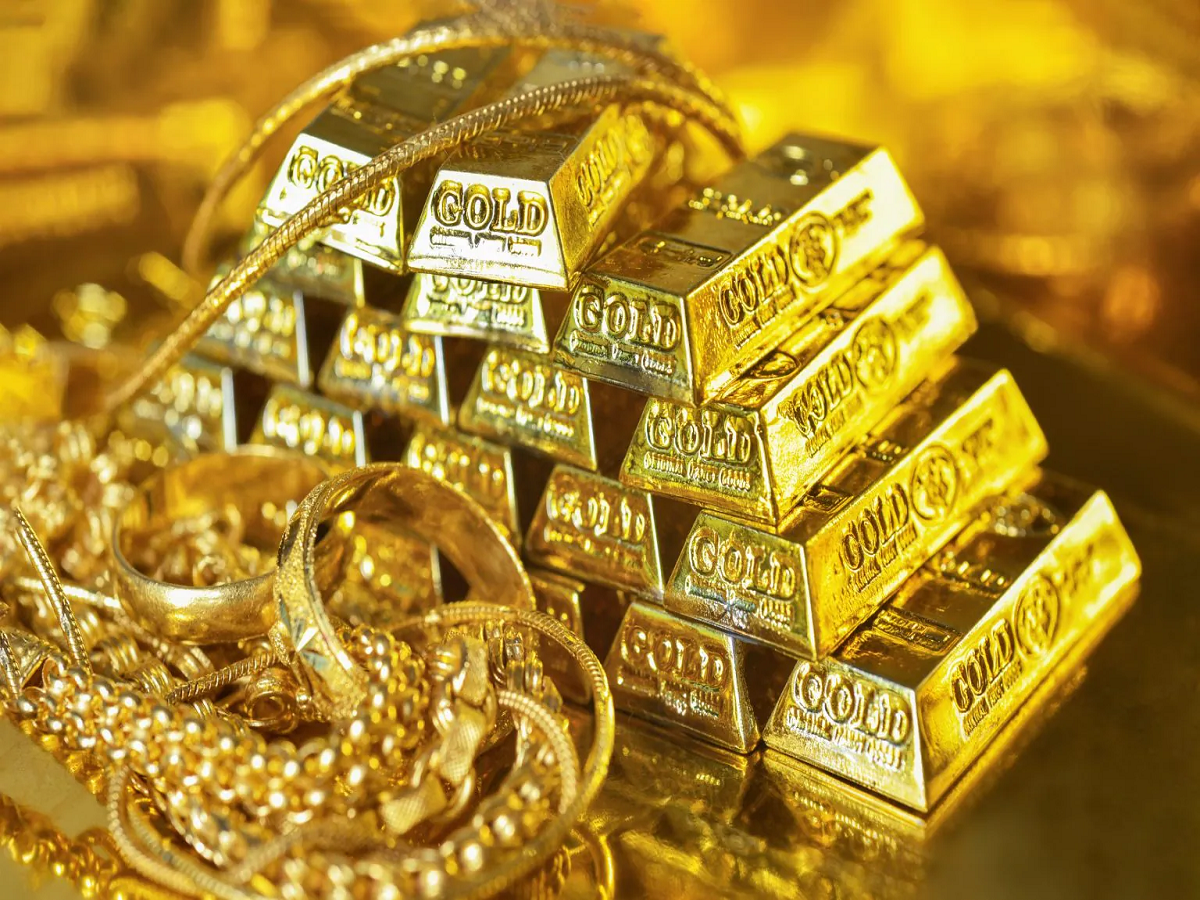
Business
Gold Silver Price Today: Gold Slips to ₹1.53 Lakh on MCX, Silver Drops Over 1.7%; What Could Drive Prices Next?
Gold and silver futures moved lower in India's domestic market on August 19, 2026, with weakness in spot demand and position-cutting by traders putting pressure on precious metals. Gold futures slipped to around ₹1.53 lakh per 10 grams on the Multi Commodity Exchange (MCX), while silver witnessed a much sharper decline of more than 1.7%.
The domestic weakness came even as international precious metal prices showed a mildly positive trend, highlighting how Indian futures can sometimes move differently from overseas markets.
Currency movements, domestic demand, the US dollar, Treasury yields and expectations surrounding global interest rates can all influence the direction of bullion prices.
Gold Futures Fall ₹636 on MCX
Gold futures for October delivery declined by ₹636, or 0.41%, on MCX, bringing the price to around ₹1.53 lakh per 10 grams.
Trading activity in the contract was recorded at 837 lots.
Weakness in domestic spot demand was cited as one of the factors behind the decline. Gold prices have remained at elevated levels, making buyers more cautious about large purchases and potentially influencing near-term physical demand.
However, a single session's decline should not necessarily be viewed as the beginning of a sustained downward trend. Gold remains sensitive to several global economic indicators that can quickly change market sentiment.
Silver Takes a Bigger Hit
Silver experienced a considerably steeper fall in the domestic futures market.
The September delivery contract dropped by ₹4,023, or approximately 1.73%, to around ₹2.28 lakh per kilogram.
Trading turnover in the contract stood at 2,577 lots.
The decline was attributed in part to market participants reducing their positions. Silver is often more volatile than gold because its price is influenced by both investment demand and industrial consumption.
That dual role can result in sharper price swings when traders adjust their expectations.
Gold and Silver: MCX Price Snapshot
| Precious Metal | Contract | Price | Change |
|---|---|---|---|
| Gold | October delivery | Around ₹1.53 lakh/10 grams | Down ₹636 or 0.41% |
| Silver | September delivery | Around ₹2.28 lakh/kg | Down ₹4,023 or 1.73% |
These are futures-market prices and should not be confused with the final retail price consumers pay at jewellery stores.
Global Gold and Silver Prices Move Higher
Interestingly, international precious metal markets showed a different trend.
Gold futures in New York were reported around $4,338.74 per ounce, up approximately 0.10%.
Silver was around $62.74 per ounce, registering a gain of approximately 0.99%.
This divergence between domestic and international markets is possible because MCX prices are influenced by more than just the international spot price.
The rupee-dollar exchange rate, domestic demand, futures positioning and local market conditions can all affect Indian bullion prices.
Why Are US Treasury Yields Important for Gold?
Gold does not generate interest or regular income. This makes movements in bond yields particularly important for the precious metal.
When US Treasury yields rise, interest-bearing assets can become relatively more attractive to investors, potentially putting pressure on gold.
When yields decline, the opportunity cost of holding a non-yielding asset such as gold falls, which can provide support to bullion prices.
According to Gaurav Garg, Head of Research at Lemonn, gold witnessed some recovery internationally after the previous session's weakness as US Treasury yields eased.
However, investors remained cautious ahead of the release of the US Federal Reserve's meeting minutes.
Federal Reserve Signals Could Influence the Next Move
Interest-rate expectations are likely to remain an important trigger for gold and silver.
Market participants closely monitor statements and meeting minutes from the US Federal Reserve because they can provide clues about the future direction of monetary policy.
If investors begin expecting lower interest rates, bond yields and the dollar can potentially weaken, which may be supportive for gold.
Conversely, expectations that interest rates will remain elevated for longer can put pressure on precious metals.
This relationship is not automatic, however, because geopolitical risk, inflation expectations and safe-haven demand can sometimes outweigh the impact of monetary policy.
Dollar and Rupee Movements Matter for Indian Buyers
Indian investors also need to monitor currency movements.
Gold is largely priced internationally in US dollars. Therefore, movements in the rupee against the dollar can influence domestic prices even when international gold prices remain relatively stable.
A weaker rupee can make imported gold more expensive in India, while a stronger domestic currency can potentially soften the impact of high international prices.
This is another reason why the direction of MCX gold does not always exactly match the movement seen in New York or other global markets.
High Prices Are Changing Jewellery Buying Habits
Despite elevated prices, consumer interest in gold has not disappeared.
According to Kaushlendra Sinha, CEO of the Indian Association for Gold Excellence and Standards (IAGES), consumers continue to show strong interest in gold, but purchasing behaviour is changing because of high prices.
Instead of buying heavier jewellery, some customers are shifting towards lightweight and contemporary designs.
This allows buyers to participate in traditional jewellery purchases while keeping the overall bill relatively manageable.
Old Jewellery Exchange Is Becoming Another Option
Another trend among households is the exchange or redesign of existing gold jewellery.
Rather than purchasing an entirely new piece using fresh gold, consumers can exchange old ornaments or have existing jewellery redesigned.
This allows households to use the value already locked into their gold holdings and potentially reduce the quantity of additional gold they need to purchase.
Such behaviour could become increasingly important if bullion prices remain elevated during the upcoming festive and wedding season.
Festive and Wedding Demand Could Support the Market
India's festive and wedding seasons traditionally generate substantial demand for physical gold.
Jewellery purchases often increase around major festivals and during periods considered auspicious for weddings.
If demand strengthens during the coming months, it could provide support to the domestic bullion market.
However, extremely high prices can also change the composition of demand, with customers opting for lower-weight jewellery, smaller purchases or exchanges instead of buying heavier new ornaments.
Therefore, strong consumer interest does not necessarily translate into the same quantity of physical gold being purchased as in lower-price periods.
Will Gold and Silver Prices Continue to Fall?
It is too early to conclude from a single session that precious metals have entered a sustained correction.
Several factors could determine the next major move, including:
- US Federal Reserve policy signals
- US Treasury bond yields
- Movement in the US dollar
- Rupee-dollar exchange rate
- Inflation expectations
- Geopolitical developments
- Domestic festive and wedding demand
- Industrial demand for silver
- Futures-market positioning
Gold may receive support if yields decline or investors increase safe-haven exposure. On the other hand, a stronger dollar or expectations of prolonged high interest rates could create further pressure.
Silver could experience even larger fluctuations because industrial demand adds another variable to its price outlook.
MCX Rate Is Not the Same as Jewellery Shop Price
Consumers planning to purchase jewellery should remember that MCX futures prices cannot be directly compared with the final amount quoted by a jeweller.
MCX prices relate to commodity futures contracts. Retail jewellery prices can include several additional components, including applicable taxes, making charges and the jeweller's margin.
Purity also matters. Prices for 24-karat, 22-karat and 18-karat gold will differ.
Similarly, physical silver prices can vary across cities and may not exactly match the futures price displayed on a commodity exchange.
What Should Investors Keep in Mind?
Short-term price movements can be difficult to predict, particularly when markets are reacting to central bank policy, bond yields and currency fluctuations simultaneously.
Investors should therefore avoid making decisions solely because gold or silver has risen or fallen sharply in a single trading session.
Those investing for portfolio diversification should consider their overall asset allocation, investment horizon and risk tolerance. Jewellery buyers, meanwhile, should compare retail prices, purity, hallmarking and making charges before purchasing.
Gold's decline to around ₹1.53 lakh per 10 grams and silver's fall to approximately ₹2.28 lakh per kilogram have put domestic bullion prices under pressure for now. Whether that weakness continues will depend largely on global monetary signals, currencies and demand as India's festive and wedding season approaches.
Disclaimer: This article is for informational purposes only and does not constitute investment advice. Commodity and precious-metal prices can fluctuate sharply. Investors should evaluate their financial circumstances and consider consulting a qualified financial adviser before making investment decisions.