Business
Gas Cylinder: The tension of cylinders is over! A new government scheme will bring gas to homes and make it available at affordable prices
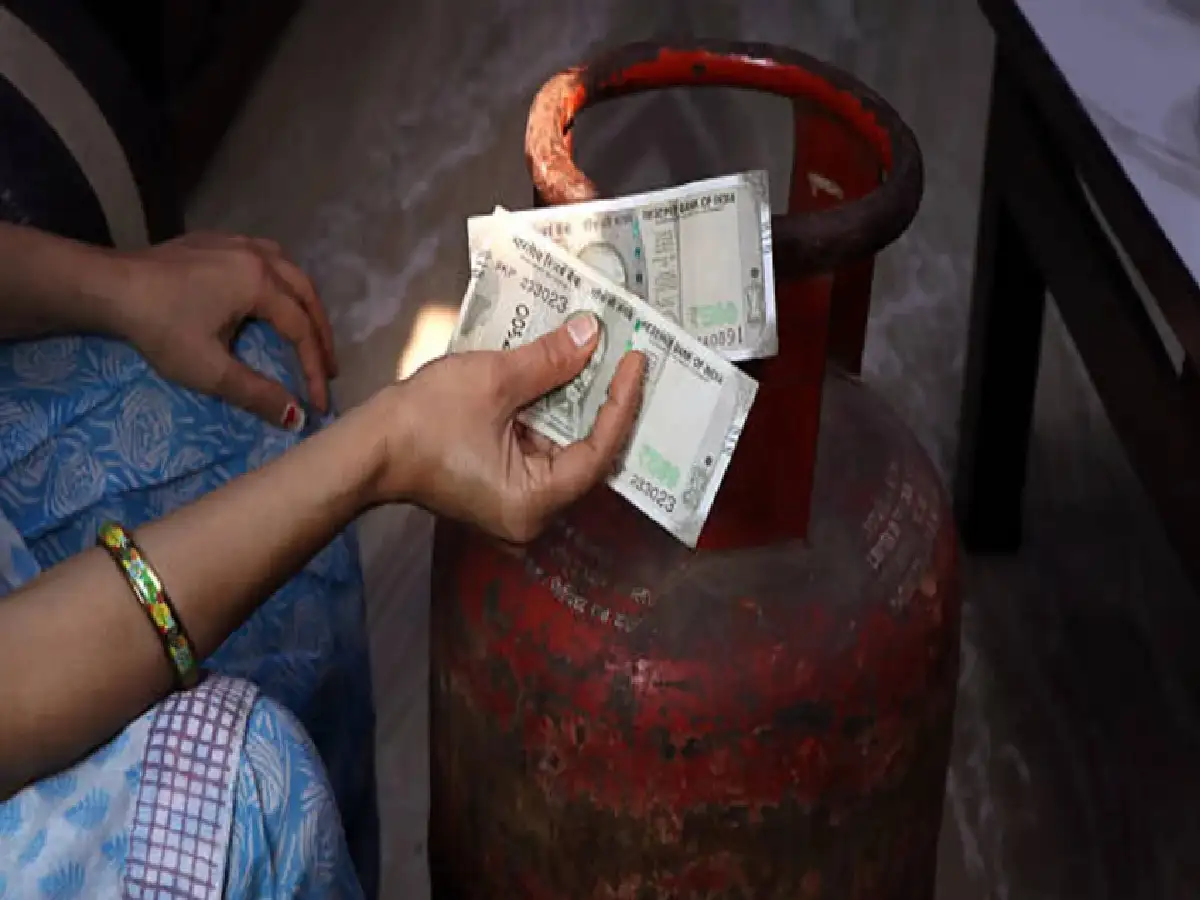
The government has launched a new initiative to provide piped natural gas to more households in the country. The Ministry of Petroleum and Natural Gas has approved an incentive scheme to increase domestic piped natural gas (PNG) connections. It has also been stated that this scheme will be implemented from September 1, 2026. The scheme aims to provide PNG to households that already have connections but have not yet started paying their bills or using gas. There will also be a focus on expanding the PNG network to new areas.
According to the government, there are currently approximately 17.4 million domestic PNG connections in the country. The new scheme will help gas distribution companies increase the number of active connections. The government hopes this will provide financial incentives for companies to extend pipelines to new homes and provide families with a clean, convenient, and consistent gas option for their kitchens. This initiative comes at a time when issues related to the Strait of Hormuz have also impacted the country's LPG supply.
Extra Gas Allocation for Every New Active Connection
This scheme will benefit eligible City Gas Distribution (CGD) companies. If a company adds more new billable domestic PNG connections than its target, it will receive an additional 200 standard cubic meters (SCM) of APM (Administered Pricing Mechanism) gas produced domestically for each additional connection. This natural gas is also under government control and is extracted from old fields.
APM gas is generally available at a lower price than other more expensive gas sources . Therefore, receiving additional gas could reduce companies' overall gas procurement costs. The government believes this will provide financial incentives for companies to provide PNG connections to more households.
This government incentive scheme will be implemented in two phases
, each lasting six months. Companies that activate and bill more domestic PNG connections than the target set for their respective geographic areas will receive this benefit.
Companies will be able to use the surplus APM gas instead of the expensive LNG they currently purchase for their CNG transportation business. This is expected to reduce the overall cost of gas procurement. This means that adding new domestic PNG connections could be more profitable for companies than before.
Connection Costs
According to the government, this scheme can help companies recover the cost of investing in PNG networks and connections faster. Currently, it takes approximately 10 years to recover the capital cost of a domestic PNG connection. With these incentives, this time is expected to be reduced to approximately 3 years.
The direct benefit could be that CGD companies will be able to rapidly expand pipeline networks into new areas and activate unused connections, allowing more households to start using piped gas.
The government is also focusing on making PNG affordable.
It is urging states to reduce VAT on natural gas to 5%. The reduced tax could help reduce the cost of PNG for households. The government's goal is to make PNG accessible to more households and make it an affordable and affordable cooking option.
How much cheaper can PNG become if VAT is removed?
If a state completely removes the 5% VAT on natural gas, the tax component of the PNG bill may decrease. For example, if the price of PNG is ₹50 per SCM, then 5% VAT would be approximately ₹2.50 per SCM. If VAT is removed, the price could be approximately ₹47.50 per SCM. However, the actual reduction in the bill will depend on the state's tax system, the cost of purchasing the gas, and the charges of the local CGD company. This means that removing VAT may make PNG somewhat cheaper.
PC: Navarastra