LIFESTYLE
FSSAI Healthy Food Claims: Are you being deceived by the name of natural-healthy tags? FSSAI is taking a tough stand.
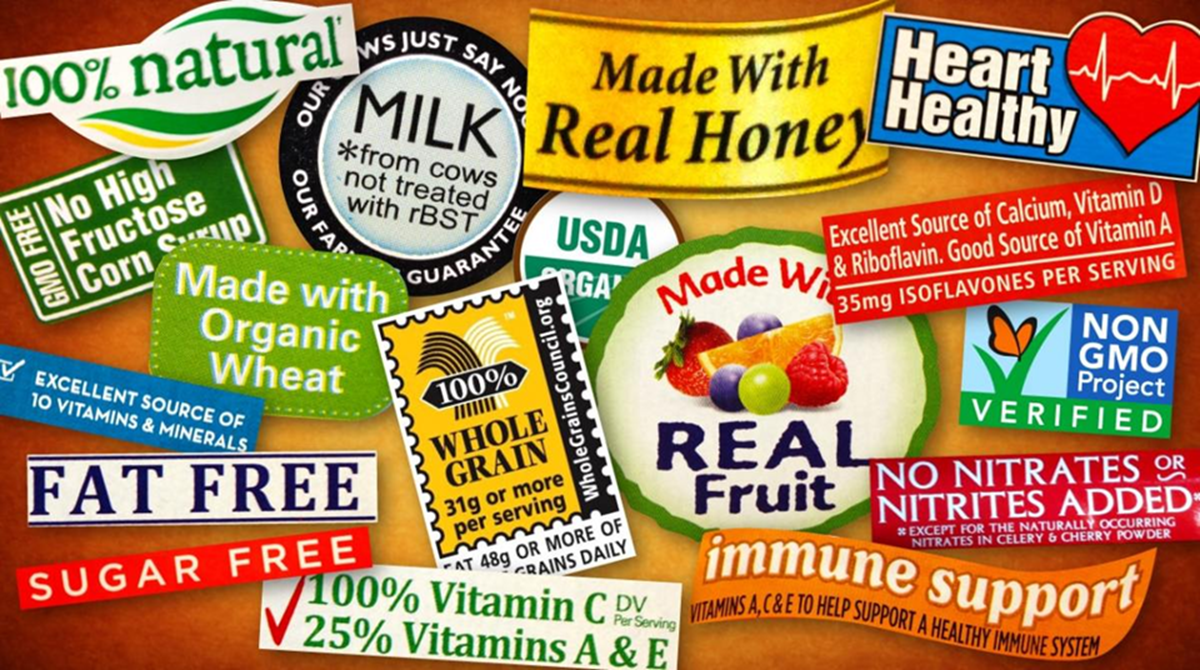
FSSAI Healthy Food Claims: Claims like "healthy," "natural," and "organic" on packaged foods aren't always true. Read the label carefully before purchasing a product.
The importance of reading food packaging
FSSAI Healthy Food Claims: These days, words like "natural," "healthy," "organic," "zero maida," and "heart-healthy" have become commonplace on packaged food products. These words often reassure consumers that the product is good even before the package is opened. However, this isn't always the case. In the past few weeks, the Food Safety and Standards Authority of India (FSSAI) has issued notices to several major food companies, asking whether the claims on their packaging match the actual quality of the product. This issue is crucial because most of us buy products based solely on the labels on the front of the package, without carefully reading the back of the package. Therefore, it's important for everyone to understand the important things to consider when purchasing any product. Let's explore the details.
Which claims are on FSSAI's radar?
FSSAI has sent notices to companies across several categories, including bread, noodles, chocolate, juice, cooking oil, supplements, packaged water, and caffeinated drinks. The terms under question include "100 percent natural," "pure," "fresh," "organic," "healthy," "heart-healthy," "anti-cancer," "detox," and "zero maida." For example, products like buns and noodles may be labeled "natural, pure, fresh," but questions are being raised about whether their ingredients and manufacturing process justify this claim.
Similarly, spreads and supplements labeled "organic" have been questioned for not having the necessary certification. Claims like "healthy" or "detox" on products like oils, tofu, and water have also been questioned for using them without sufficient evidence. It's also important to note that these are only notices; no decisions have yet been made, and the companies' responses are awaited.
Experts' opinions and advice for the general public
Former FSSAI chief Pawan Kumar Agarwal says that most consumers don't read or fully understand the essential information on the back of the package, which companies take advantage of by adding bold text on the front. Nutrition experts call this the "health halo" effect, where a single, appealing word makes the entire product appear healthy when it isn't.
AIIMS dietitian Monita Gehlot advises that consumers should first read the ingredients list on the package, which lists the ingredients in order by weight. Furthermore, attention should be paid to factors like sugar, sodium, fat, and protein. Food testing expert Ashwin Bhadri says that the biggest red flag is when a big claim is made on the front of the package, but no evidence is provided on the back. Therefore, every customer should turn the package over and read the information on the back before purchasing any product.