
LIFESTYLE
Atta Dough: Why does flour turn black in the fridge? Learn the right way to keep it fresh.
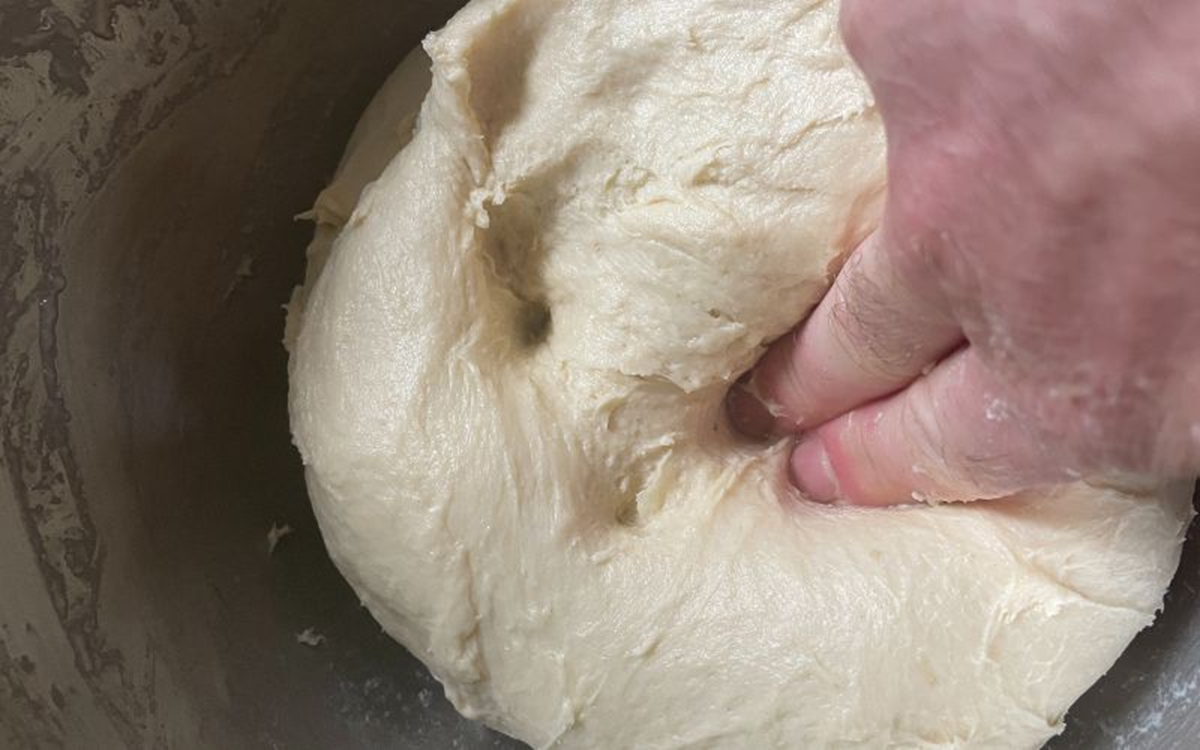
Kitchen Storage Tips: Even after kneading the dough, these enzymes aren't completely inactivated and can cause changes in the dough's color and texture over time. The cold temperature of the refrigerator does slow this process.
Why does dough turn black when kept in the fridge?
How to store kneaded flour in the fridge freshly: Roti or chapati is an essential part of Indian household meals. Most households knead flour to make rotis daily. To save time, people often knead a little more flour than required and store the remaining flour in the refrigerator. However, when the flour is taken out of the refrigerator after a few hours, it appears to be slightly black or gray in color. Sometimes, the color of the top layer of flour appears different from the rest of the flour.
In such a situation, the first question that comes to mind is why did the flour turn black despite being refrigerated? Is it just a discoloration, or could eating such flour be harmful? Furthermore, how should flour be stored so that it remains fresh and usable for longer? Let's find out.
What is the biggest reason for flour turning black?
The most common cause of discoloration in dough is oxidation. When wheat flour is mixed with water and kneaded, it is exposed to air. The oxygen in the air reacts with certain natural compounds in the flour. Over time, this process can cause the flour to appear darker or grayer. Natural enzymes in wheat may also play a role in this change. These enzymes are not completely destroyed after kneading and can cause changes in the dough's color and texture over time. The cold temperature of the refrigerator slows this process, but it doesn't always stop it completely.
Too much water can also spoil the dough.
It's also important to consider the amount of water used when kneading dough. Adding more water than necessary can make the dough too soft and moist. Excessive moisture can accelerate chemical and biological processes, increasing the likelihood of changes in color and texture. Furthermore, if the dough is left to sit for too long, it may slowly begin to ferment, resulting in a slightly darker color and a slightly sour odor.
Cleaning the container is also important.
The container used to store the kneaded flour should also be kept clean. If the container is not clean or contains food residue or moisture, the flour can spoil quickly. In such cases, the flour may exhibit stickiness, an unusual odor, or other signs of spoilage, beyond just discoloration. These problems are more likely to occur with stale flour. Therefore, it's important to ensure its freshness and good quality when purchasing flour.
Apply some oil to the dough to keep it fresh.
Before refrigerating the dough, apply a very thin layer of oil to its surface. The oil reduces the direct contact between the dough and air, which can slow down the oxidation process. It also prevents the dough from drying out. Remember, there's no need to apply a large amount of oil; just enough to lightly coat the entire surface of the dough.
Always store in an airtight container.
Avoid storing flour in an open container or uncovered in the refrigerator. It's best to store it in a tightly sealed, airtight container. This protects the flour from exposure to refrigerator air, other odors, and unnecessary moisture. Also, ensure the container is completely clean and dry before storing it.
Divide into small portions as needed.
If you must knead dough in advance, you can divide it into smaller portions instead of storing it in one large batch. The advantage of this is that you don't need to take out the entire dough each time. Take out only the required portion and refrigerate the remaining dough. This reduces frequent temperature changes and exposure to air.
How long should flour be used?
Even flour stored in the refrigerator doesn't remain safe forever. It's best to use the dough within 12 to 24 hours. Before using flour that has been stored for extended periods, check its smell, color, and texture. If the flour has an unusual or strong sour smell, becomes excessively sticky or slimy, or has visible mold-like growth, do not use it and dispose of it safely.