
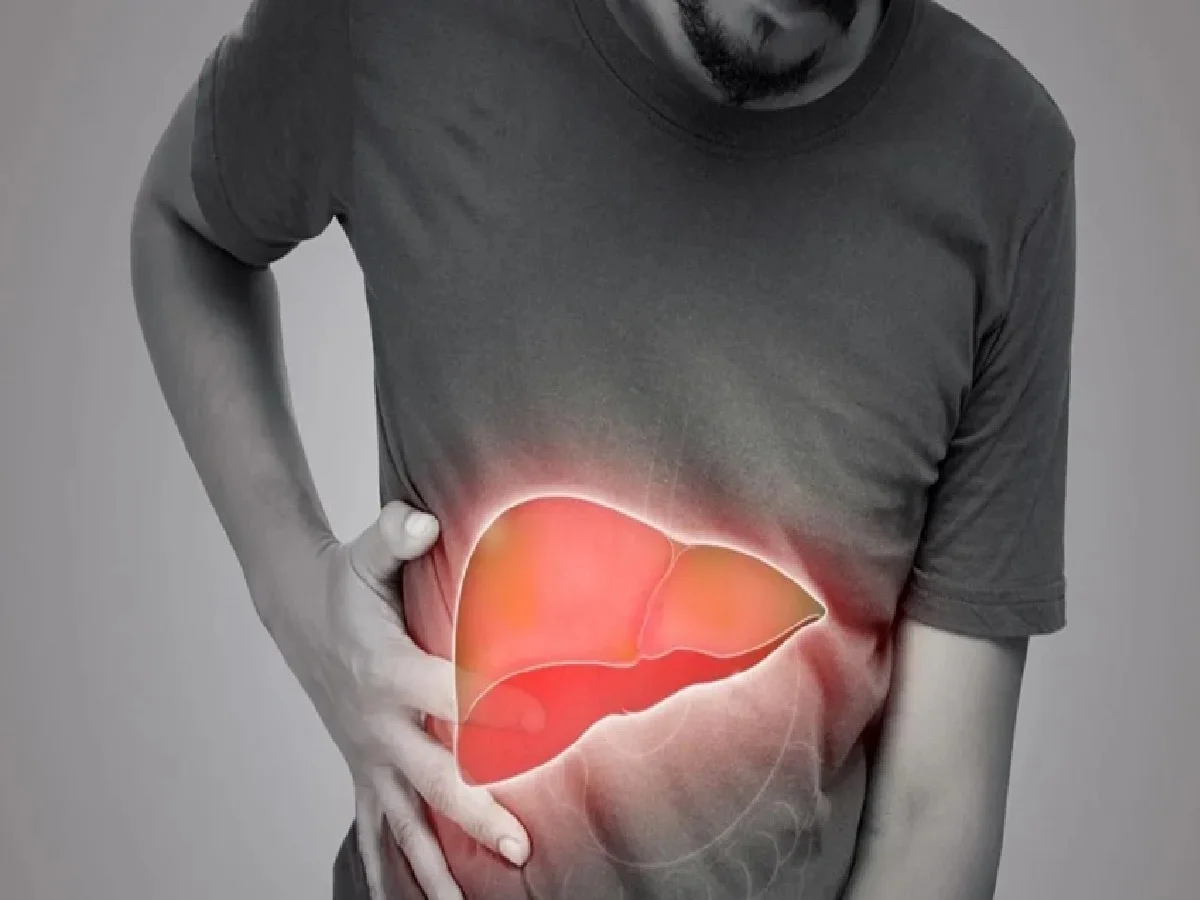
Changing lifestyles, unhealthy eating habits, lack of sleep, and rising stress levels are contributing to a sharp increase in liver-related health problems across the world. Among these conditions, Fatty Liver Disease has emerged as one of the most common yet often ignored health concerns.
Medical experts warn that fatty liver disease can gradually affect the liver’s functioning if early symptoms are overlooked. The condition develops when excess fat starts accumulating in liver cells, eventually leading to inflammation, liver damage, and other complications if left untreated.
Doctors say both people who consume alcohol and those who do not drink can develop fatty liver disease.
Types of Fatty Liver Disease
Fatty liver is generally divided into two major categories:
Non-Alcoholic Fatty Liver Disease (NAFLD)
This condition develops in people who consume little or no alcohol. It is commonly linked to obesity, diabetes, poor diet, and sedentary lifestyle habits.
Alcoholic Fatty Liver Disease
This type is mainly associated with excessive alcohol consumption, which damages liver cells over time.
Health experts stress that recognizing early symptoms can help prevent the condition from becoming severe.
Common Symptoms of Fatty Liver
Pain or Heaviness in the Upper Right Abdomen
One of the most noticeable warning signs is persistent discomfort, pain, or heaviness in the upper right side of the stomach, where the liver is located.
Sudden Weight Changes
Rapid weight gain, especially around the abdomen, or unexplained weight loss may indicate liver-related problems.
Loss of Appetite
People suffering from fatty liver may experience reduced hunger or lack of interest in eating.
Constant Fatigue and Weakness
Feeling tired or weak throughout the day, even after proper rest or sleep, is considered a common symptom linked to liver dysfunction.
Yellowing of Skin or Eyes
If the skin or eyes begin turning yellow, it may indicate serious liver complications. Doctors advise seeking immediate medical attention if such symptoms appear.
Important Lifestyle Changes Doctors Recommend
Health experts say lifestyle management plays a major role in controlling and reversing fatty liver disease in many cases.
Avoid Alcohol Consumption
People consuming excessive alcohol are advised to reduce or completely stop drinking, as continued alcohol intake may worsen liver damage.
Maintain Healthy Body Weight
Regular exercise and weight management can significantly help reduce fat accumulation in the liver.
Follow a Balanced Diet
Doctors recommend eating nutritious foods and avoiding excessive oily, fried, and spicy meals.
Foods That May Support Liver Health
Nuts and Dry Fruits
Foods like almonds, walnuts, and sunflower seeds contain omega-3 fatty acids and antioxidants, which may help reduce liver inflammation and support cholesterol control.
Eggs and Cheese
Boiled eggs and cheese are considered good protein sources. Eggs contain choline, a nutrient believed to support healthy liver functioning.
Avocado
Avocado is also considered beneficial for protecting liver cells from damage due to its healthy fat content and antioxidants.
Greek Yogurt and Green Vegetables
Greek yogurt and curd are rich in probiotics, which may help improve gut and liver health. Doctors also advise including salads and green vegetables in daily meals.
Early Diagnosis Is Important
Medical professionals say fatty liver often develops silently during the early stages, making regular health check-ups important, especially for people with obesity, diabetes, high cholesterol, or unhealthy lifestyle habits.
If symptoms continue for a long time, experts strongly recommend consulting a doctor instead of ignoring the warning signs.