
LIFESTYLE
Fasting Blood Sugar: Blood sugar can rise even without symptoms; know which tests are necessary.
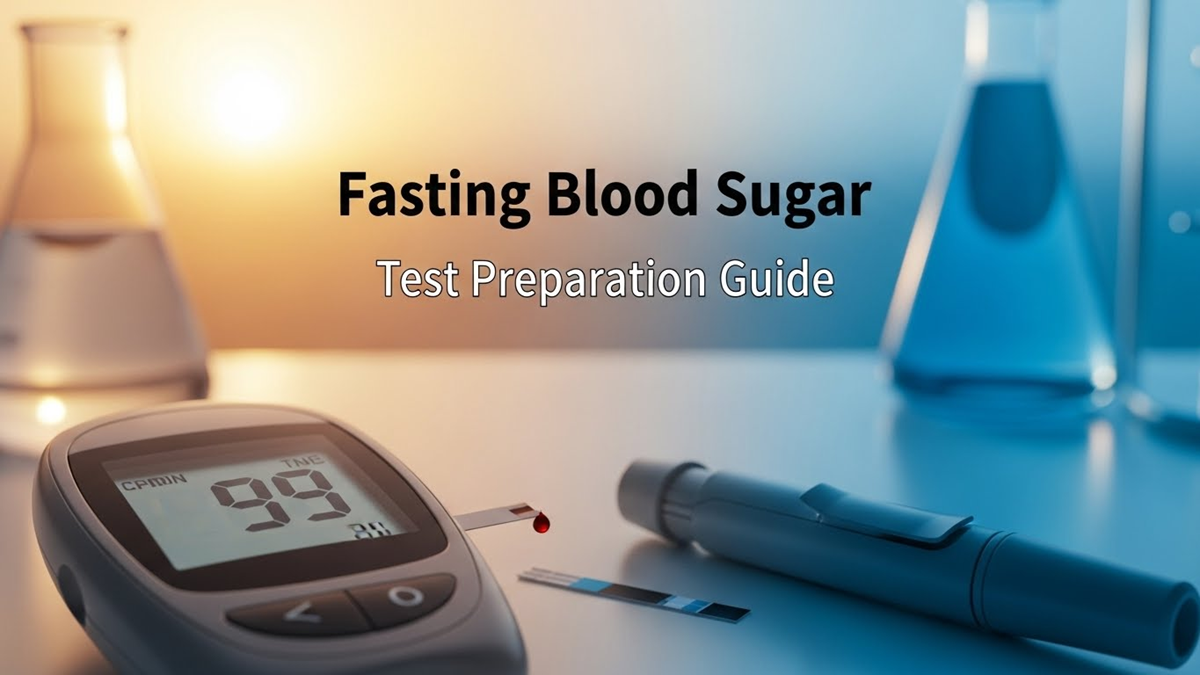
Blood Glucose Test: Blood sugar levels in the body can rise slowly over months or years without a person even noticing. Symptoms such as unexplained weight loss or persistent fatigue may appear.
How to check for diabetes
Prediabetes Blood Sugar Range: Diabetes is a disease that doesn't always begin with obvious symptoms. Blood sugar levels can rise slowly over months or years without a person even realizing it. By the time symptoms such as excessive thirst, frequent urination, unexplained weight loss, or persistent fatigue appear, the condition may already be advanced. Regular screening is therefore essential, especially for those who are overweight, have a family history of diabetes, are physically inactive, or have metabolic risk factors.
According to Dr. Paras Agarwal, Director of the Diabetes, Obesity, and Metabolic Clinic at CK Birla Hospital in Gurugram, early detection of diabetes is crucial. This can allow for appropriate action before high blood sugar levels affect the heart, kidneys, eyes, nerves, and blood vessels. Fasting blood sugar and HbA1c are two common tests for diabetes. Both provide information about blood sugar, but their methods differ.
What does fasting blood sugar tell you?
A fasting blood sugar test measures blood glucose levels after abstaining from food and calorie-containing beverages for at least 8 hours. This test is usually done in the morning. It assesses how well the body is regulating blood sugar levels without recent food intake.
A fasting blood sugar level of less than 100 milligrams per deciliter is considered normal. A level between 100 and 125 milligrams per deciliter indicates prediabetes. A level of 126 milligrams per deciliter or higher is considered diabetes.
The advantage of this test is its easy availability and relatively low cost. It can help detect changes in blood sugar before symptoms appear. However, this test provides a single point in time. Results can be affected by stress, lack of sleep, sudden illness, and certain medications. Therefore, a single report does not provide a complete picture of long-term blood sugar control.
What is HbA1c?
Unlike fasting blood sugar, HbA1c provides information about your average blood sugar over the past 2 to 3 months. It measures the fraction of hemoglobin that binds to glucose. An HbA1c level of less than 5.7 percent is considered normal. A level between 5.7 and 6.4 percent indicates pre-diabetes. A level of 6.5 percent or higher is considered diabetes.
The advantage of this test is that it doesn't require fasting. It provides information on long-term blood sugar patterns. It is also used to monitor blood sugar control in people with diabetes.
However, certain conditions can affect the HbA1c result. Iron deficiency anemia, certain hemoglobin problems, recent heavy bleeding or blood transfusions, pregnancy, and certain conditions involving changes in red blood cells can affect the result. In such cases, your doctor may recommend a second test.
Fasting blood sugar or HbA1c, which is better?
According to Dr. Paras Agarwal, neither test is best for every individual. Fasting blood sugar indicates blood sugar levels at a specific point in time, while HbA1c provides an average blood sugar level over the past few months. Sometimes, a person's fasting blood sugar may be normal, but their HbA1c may be elevated. Similarly, a person's fasting blood sugar may be elevated, yet their HbA1c may be within the normal range. Therefore, depending on the individual's condition, the doctor may recommend one or both tests.
A blood sugar test is performed. A level of 140 to 199 milligrams per deciliter after two hours indicates impaired glucose tolerance, while a level of 200 milligrams per deciliter or higher is considered diabetes.
Who should get tested for diabetes?
People who are overweight, have abdominal obesity, a family history of diabetes, high blood pressure or cholesterol, or have low physical activity should consider regular screening. Women with polycystic ovary syndrome, a history of gestational diabetes, and those with signs of insulin resistance may also need earlier screening. Regular screening is generally recommended starting at age 35. However, screening may be earlier for those at additional risk. If a person experiences excessive thirst, frequent urination, unexplained weight loss, blurred vision, or persistent fatigue, they should not wait for regular screening.
Why is timely testing important?
Diabetes screening isn't just a test done when symptoms appear. Regular screening is essential for those at high risk. If prediabetes is detected early, a balanced diet, regular physical activity, weight management, and medical advice can help manage the condition further.