FASTag users across India are being warned about a rising QR code scam that can empty bank accounts within minutes. Cybercriminals are targeting highway commuters by sending fake recharge messages or placing fraudulent QR codes near toll plazas. Authorities have urged motorists to remain cautious and use only official platforms for FASTag transactions.
How the FASTag QR Code Scam Works
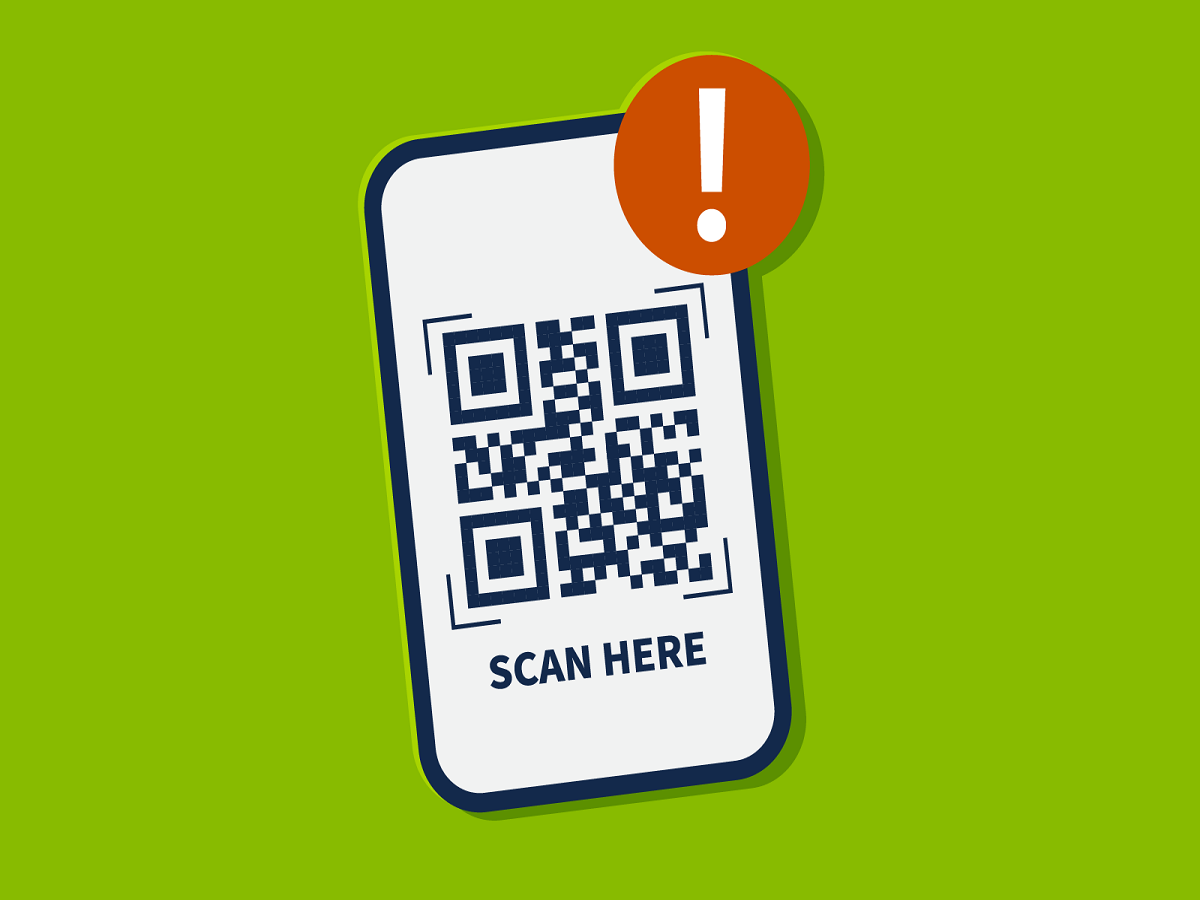
Imagine driving on a highway and receiving an urgent message stating that your FASTag balance is low and your tag may be blocked. The message encourages you to scan a QR code to recharge instantly. Many users, trying to avoid inconvenience, scan the code without verifying its authenticity. This action can redirect them to fake websites designed to steal sensitive information such as FASTag ID, vehicle number, banking details, and OTP.
Once this confidential data is entered, scammers gain access to the user’s bank account or FASTag wallet and quickly withdraw funds. In some reported cases, victims lost thousands of rupees within minutes.
Fraudsters often disguise themselves by using names and logos similar to official highway authorities. These fake messages may also promise discounted toll passes or claim that KYC verification is pending, creating urgency and panic among users.
Fake QR Codes Found Near Toll Plazas
In addition to sending fraudulent SMS and WhatsApp messages, scammers have started placing fake QR codes on signboards near toll booths. These QR codes appear genuine and may resemble official FASTag recharge instructions. Unsuspecting drivers scan them and unknowingly provide access to their personal and financial information.
This method has become increasingly common, especially since FASTag is now mandatory for toll payments and widely used by millions of vehicle owners.
How to Identify Fake FASTag Websites and Links
It is important to verify the authenticity of any recharge link before entering personal details. Official FASTag recharge and service portals belong only to authorized platforms, including government-approved websites and registered bank applications.
Fraudulent websites often use similar-looking domain names to confuse users. For example, scammers may create websites that appear legitimate but contain extra words, spelling changes, or unusual domain extensions.
Always remember that genuine authorities and banks never ask for sensitive information like OTP, PIN, or banking passwords through SMS, WhatsApp, or phone calls.
Safety Tips to Protect Yourself from FASTag Fraud
To avoid falling victim to FASTag scams, follow these essential precautions:
Use official apps and websites only: Recharge your FASTag through authorized bank apps, official portals, or trusted mobile applications.
Never share OTP or confidential details: OTP, PIN, and banking credentials must never be shared with anyone, even if they claim to represent a bank or authority.
Verify customer care numbers: Avoid calling unknown numbers found through random internet searches. Always use official contact details provided by authorized sources.
Enable transaction alerts: Keep SMS and email alerts activated for your bank account and FASTag wallet so that you are notified immediately of any suspicious activity.
What to Do If You Become a Victim of FASTag Scam
If you suspect that you have fallen victim to a FASTag scam, take immediate action to reduce financial losses.
Contact your bank immediately and request them to block your FASTag wallet, debit card, or account if necessary. Report the incident through the national cybercrime reporting portal and file a complaint with local authorities.
You can also contact the FASTag customer support helpline for assistance and guidance.
Stay Alert and Avoid Quick Decisions
Cybercriminals rely on panic and urgency to trick victims. Always verify the source of any FASTag recharge message before taking action. Avoid scanning QR codes displayed in public places unless they are clearly verified and authorized.
Being cautious and informed is the best defense against digital fraud. A moment of careful verification can prevent major financial loss and protect your personal information.