Business
Fake Gold and Silver Alert: How to Identify Genuine Jewellery Before Buying This Festive Season
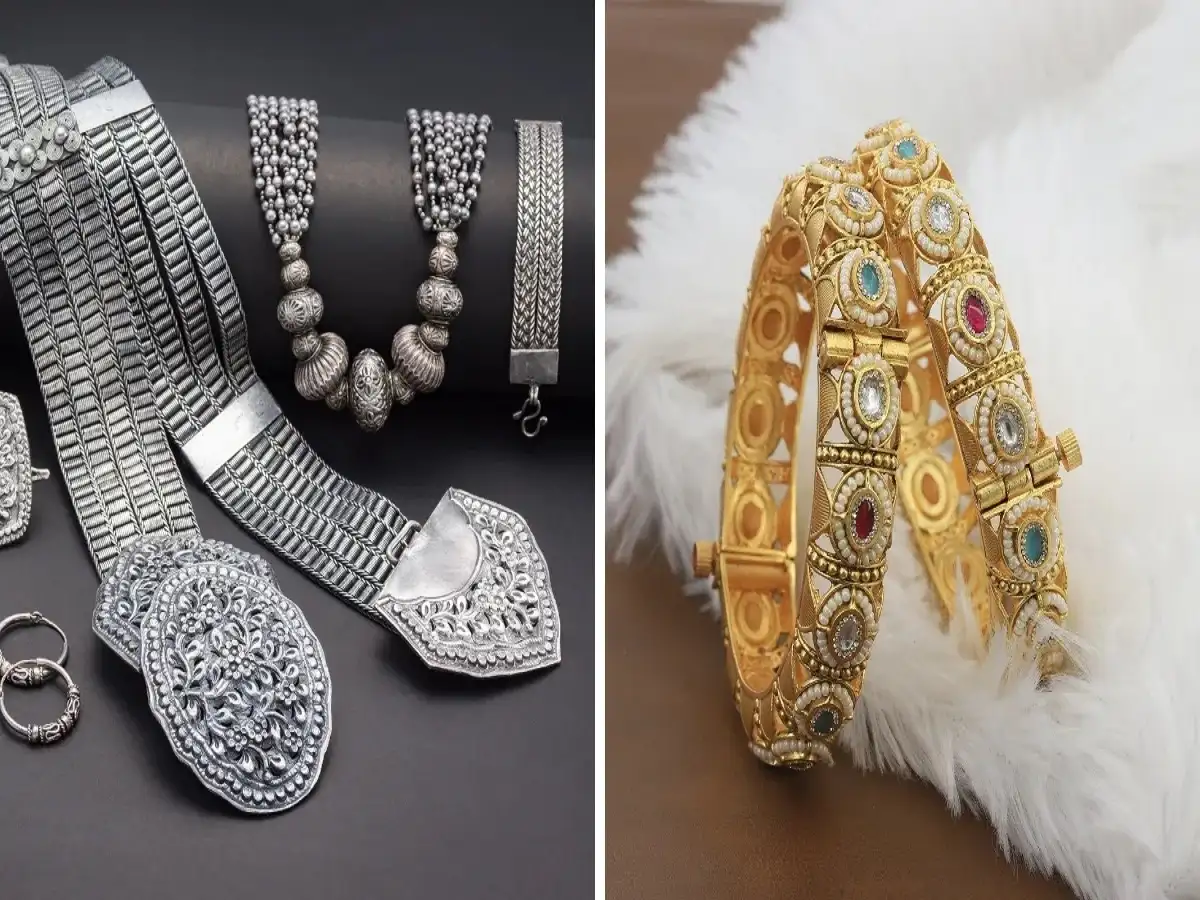
Gold and Silver Buying Tips 2026: As the festive shopping season approaches, many Indian households are preparing to purchase gold and silver jewellery, coins and decorative items. Precious metals are traditionally associated with prosperity and are often purchased during auspicious occasions such as Dhanteras, Diwali and family celebrations.
However, buyers should pay close attention to the purity and authenticity of the precious metals they purchase. Jewellery that looks genuine may not always contain the amount of gold or silver claimed by the seller.
Gold-plated ornaments, misleading purity claims and counterfeit hallmark markings can expose unsuspecting customers to financial losses.
Although certain household methods may help identify suspicious items, they cannot reliably establish the purity of gold or silver.
Checking recognised hallmark details, purchasing from trustworthy jewellers and obtaining professional testing are among the most effective ways to protect yourself from jewellery fraud.
1. Check the BIS Hallmark Before Purchasing Gold
One of the most important precautions when buying gold jewellery in India is to examine its hallmark.
The Bureau of Indian Standards (BIS) operates the country's hallmarking system, which helps consumers verify the declared purity of precious metal jewellery.
For gold jewellery covered by the applicable hallmarking requirements, buyers should look for the BIS hallmark, purity marking and a six-character Hallmark Unique Identification (HUID) code.
Common gold purity markings include:
| Gold Purity | Purity Marking | Gold Content |
|---|---|---|
| 24 Karat | 999 | Approximately 99.9% |
| 22 Karat | 916 | Approximately 91.6% |
| 18 Karat | 750 | 75% |
| 14 Karat | 585 | 58.5% |
These figures indicate the proportion of gold present in the alloy.
For example, 22-karat gold contains approximately 91.6% gold, while the remaining portion consists of other metals used to improve strength and durability.
Buyers should remember that hallmarking requirements and permitted purity grades depend on the product category and applicable BIS rules.
2. Verify the HUID Code Using the BIS Care App
Checking the hallmark visually is useful, but consumers can take an additional step to verify jewellery details.
The BIS Care mobile application provides a feature called Verify HUID, which allows users to check information associated with a hallmarked jewellery item.
Customers can enter the HUID code displayed on eligible gold jewellery to review the available hallmarking details.
If the information does not match the jewellery being offered, the buyer should ask the seller for clarification before completing the purchase.
A valid HUID provides an important verification mechanism, although buyers should still examine the product carefully and retain their purchase documents.
3. Can a Magnet Help Identify Fake Gold?
The magnet test is one of the most commonly discussed methods for checking whether an item may contain gold.
Pure gold is not strongly attracted to an ordinary magnet.
Therefore, if a piece of jewellery is noticeably attracted to a strong magnet, it may contain magnetic metals such as iron or certain types of steel.
However, this test has significant limitations.
Many metals used in counterfeit jewellery are also non-magnetic. As a result, an imitation gold ornament may pass the magnet test despite containing little or no genuine gold.
Additionally, some jewellery components, such as clasps or springs, may contain different metals.
A magnet test cannot confirm whether jewellery is genuine gold or establish its karat purity.
Consumers should treat the result only as a preliminary observation rather than definitive proof.
4. How Does the Ice Test Work for Silver?
Silver is an excellent conductor of heat.
Because of this property, an ice cube placed on a silver object may melt relatively quickly as heat transfers through the metal.
Some people use this observation as a basic household test when examining silver coins, utensils or jewellery.
However, several other metals also conduct heat efficiently.
The speed at which ice melts can be influenced by the object's temperature, thickness, size and surrounding conditions.
Therefore, the ice test cannot reliably distinguish genuine silver from all imitation metals.
It also cannot determine whether an item is made of pure silver, sterling silver or silver-plated material.
For accurate results, buyers should use recognised purity testing methods.
5. Understand the Difference Between Pure Silver and Sterling Silver
Silver jewellery is available in different purity grades.
Fine silver generally contains approximately 99.9% silver and is commonly identified by a 999 purity marking.
Sterling silver contains 92.5% silver and is generally marked 925.
The remaining 7.5% usually consists of other metals, often copper, which improve the durability of the finished product.
This distinction matters because the value of silver jewellery depends partly on its actual silver content.
A product advertised as silver-plated should not be confused with solid sterling silver.
Consumers should ask sellers to clearly identify the metal composition before making a purchase.
6. Why Colour and Shine Cannot Guarantee Authenticity
Many buyers assume that genuine gold or silver can be identified simply by appearance.
However, modern plating techniques can make inexpensive metals resemble precious metals.
Gold-plated jewellery may look similar to solid gold, particularly when newly manufactured.
Likewise, silver-plated products can resemble sterling silver.
Colour, weight and shine alone are not reliable indicators of purity.
Even experienced buyers may find it difficult to distinguish certain imitation products without proper testing equipment.
This is why hallmark verification and professional testing are more dependable than visual inspection.
7. Ask for Professional Purity Testing
For expensive jewellery or items of uncertain origin, professional testing provides greater assurance.
Jewellers and recognised testing facilities may use techniques such as X-ray fluorescence (XRF) analysis to assess metal composition.
Other recognised testing methods may be used where appropriate.
Consumers should understand that different testing methods have different limitations. For example, some techniques primarily assess surface composition and may require additional examination when plating or unusual construction is suspected.
Where available, buyers can approach a BIS-recognised Assaying and Hallmarking Centre for relevant testing services.
8. Always Collect a Detailed Purchase Invoice
A proper invoice is essential when purchasing gold or silver.
The bill should clearly mention important information, including the description of the jewellery, weight, declared purity, applicable price, making charges and taxes.
Where relevant, hallmarking information should also be documented.
A detailed invoice helps customers understand exactly what they are paying for.
It can also be useful if a dispute arises regarding purity, weight or the terms of the purchase.
Buyers should preserve their bills and any relevant certificates or testing reports.
9. Avoid Unusually Cheap Gold and Silver Offers
Precious metal prices are influenced by international bullion markets, currency movements and domestic demand.
Although jewellery prices may vary between retailers, offers that appear significantly cheaper than prevailing market rates deserve careful examination.
Consumers should be particularly cautious when purchasing jewellery through unfamiliar websites, social media advertisements or unverified sellers.
Before making an online purchase, check the seller's credentials, return policy, product description and available customer support.
Avoid transferring money to unknown individuals based solely on promotional claims.
10. What Should You Do If You Suspect Fake Jewellery?
If you believe that jewellery has been sold with misleading purity information, first contact the seller and request an explanation.
Keep the purchase invoice, photographs, hallmark details and other relevant documents.
If necessary, obtain a purity assessment from an appropriate testing facility.
Consumers may also use available BIS complaint channels for hallmark-related concerns or approach the National Consumer Helpline for consumer grievances.
The National Consumer Helpline can be accessed through its official website at https://consumerhelpline.gov.in.
Conclusion
Buying gold and silver during the festive season can be an important financial and cultural decision. However, the appearance of a jewellery item does not guarantee its purity.
Simple household checks, including magnet and ice tests, may provide limited clues but cannot establish whether an ornament is genuine.
Consumers should prioritise BIS hallmark verification where applicable, review HUID details, purchase from reputable jewellers and insist on proper invoices.
Before spending a substantial amount on gold or silver, verifying authenticity is far more important than relying on appearance or a tempting discount.
Taking these precautions can help buyers reduce the risk of purchasing counterfeit or misrepresented jewellery and make more informed decisions during the festive shopping season.