Skin Allergy From Cosmetics: Agencies are taking action against unlicensed, mislabeled, and counterfeit cosmetics. The issue isn't just about losing money by buying counterfeit goods.
Counterfeit Cosmetic Products Survey Report
Fake Cosmetics Survey Report India: Buying face creams, sunscreens, lipsticks, shampoos and other beauty products has become a part of most people's everyday shopping routine. From online apps and websites to cosmetic stores and local markets, people have many shopping options. But a new survey has raised concerns about beauty and personal care products. According to the survey, 40 percent of people who bought cosmetics in the last three years found one or more products to be fake or counterfeit. At the same time, about one in every four people reported experiencing an allergy after using cosmetics.
This national survey, conducted by LocalCircles, involved over 23,000 household consumers from 318 districts across India. The survey revealed that 26 percent of respondents experienced an allergic reaction to one or more cosmetic products within the past three years.
With the rapid growth of the beauty and personal care market, concerns about counterfeit and poor-quality products are also growing. Regulatory agencies in many states across the country are taking action against unlicensed, mislabeled, and counterfeit cosmetics. The issue isn't limited to losing money by purchasing counterfeit products. Creams, lipsticks, sunscreens, and other cosmetics are applied directly to the skin, lips, hair, and sometimes around the eyes. Therefore, poor-quality or improperly manufactured products can pose health risks.
40% of people received fake cosmetics
The survey asked people about any issues they had with cosmetics and beauty products over the past three years. 18 percent reported purchasing a cosmetic product and later discovering it was a fake or counterfeit product.
Meanwhile, 22 percent reported experiencing both types of problems. This means they purchased a counterfeit cosmetic product and experienced an allergic reaction after using one. Combining these two figures, 40 percent reported experiencing one or more counterfeit cosmetics purchased in the past three years. Meanwhile, 26 percent reported experiencing an allergic reaction. Nearly half reported experiencing none of these problems, while five percent were unsure. No one reported experiencing a serious illness due to a cosmetic product.
More fake products found on online platforms
The survey also sought to determine where cosmetics that were later found to be counterfeit were purchased. Online platforms, apps, and websites emerged as the biggest sources. 23 percent of those surveyed reported purchasing cosmetics online that later turned out to be fake or counterfeit. This was followed by beauty, cosmetic, or general stores, where 18 percent reported purchasing counterfeit products. Meanwhile, 14 percent reported purchasing such products from local shops or market stalls.
According to the survey report, online sales will account for approximately 10% of total sales in the beauty and personal care market by 2026. Despite this, 23% of complaints about purchasing counterfeit cosmetics were related to online platforms. When shopping online, it can sometimes be difficult to determine the actual manufacturer of a product or whether the seller is authorized.
Fake cosmetics can increase concerns
Counterfeit cosmetic products lack accurate information about the ingredients used, their manufacturing process, and their quality. This is why such products can be a cause for concern. Recent actions in India have highlighted the severity of this problem. In June, the Maharashtra Food and Drug Administration conducted raids in Mumbai and Bhiwandi and seized illegal cosmetics and manufacturing machinery worth ₹1.52 crore. Officials found crucial information, such as batch numbers, manufacturing dates, and expiry dates, incomplete or missing on many products.
The report also highlighted the issue of a skin lightening cream being used in Nagpur. Tests revealed mercury levels in the product were 752 times higher than the legal limit. Consequently, the product was banned.
Allergies are also a big problem
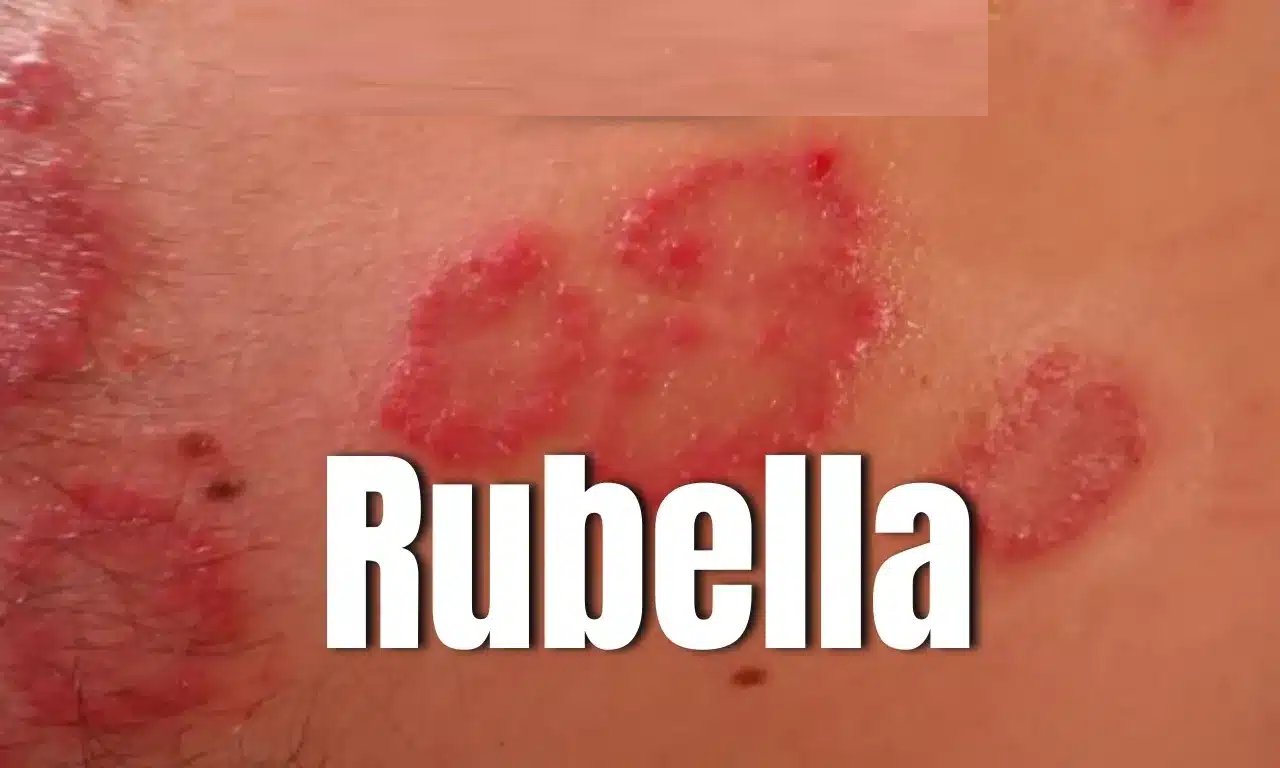
In the survey, 26 percent of people reported allergic reactions after using cosmetics. While not all allergic reactions are necessarily linked to counterfeit products, the survey found a strong similarity between the two problems. Itching, redness, burning, swelling, or rashes after using a cosmetic can be signs of an allergic reaction. If you experience such problems after using a product, you should stop using it. If the problem persists or becomes more severe, it is important to consult a doctor.
Pay attention to these things before buying
Before purchasing cosmetics, be sure to check the packaging and label. The product should clearly state the manufacturer's name and address, batch number, manufacturing details, and expiration date. If any information is missing, changed, or suspicious, be wary. It's also important to check the seller's information when shopping online. Be cautious about high-end brand products sold at very low prices. If you notice any unusual changes in the fragrance, texture, color, or packaging after opening the package, avoid using it.