
NEWS
Even your voice isn't safe anymore! AI can steal your identity and create an exact copy of you in an instant.
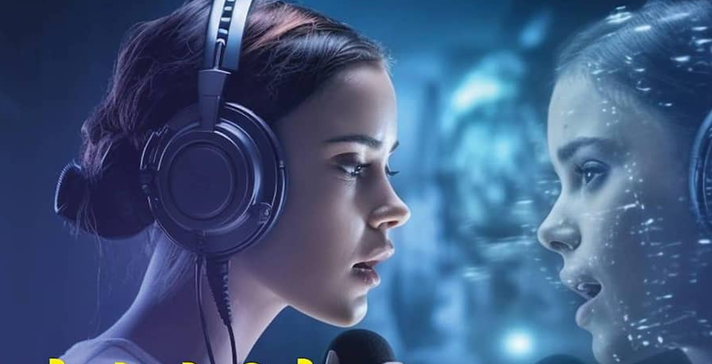
AI Voice Clone: Every person has a unique voice, called a voiceprint. It's created by our body language, language, and speech patterns.

AI Voice Clone: In today's world, talking to machines has become a part of our everyday lives. Whether it 's asking Amazon Alexa about the weather or giving voice commands on our phones, we're constantly sharing our voices with technology. But now scientists say that our voices aren't just about words; they can also reveal much hidden information about us.
Your voice is your identity.
According to startup Virtuosis, every person has a unique voice, called a voiceprint. It's created by our body language, language, and speech patterns. Unlike a password, it can't be easily changed. This is why your voice is linked to your identity and can reveal clues to your personality, emotions, and even your background.
How AI understands your voice
According to experts, when we speak to AI systems , we unknowingly share subtle information like our tone, speed, and speaking style. AI can interpret these signals to infer our behavior and emotional state. This is why voice has become a powerful data source.
New possibilities in the health sector
Voice analysis brings not only risks but also benefits. Research has found that small changes in speech patterns can provide clues to neurological diseases, respiratory problems, and mental health. Some companies are using this technology to develop tools that can monitor health without any pain or testing.
Growing threat to privacy
While this technology is beneficial, it also poses significant risks. Voice is highly personal data, and if misused, it can pose a serious threat to your privacy. Voice recordings are often used without people's knowledge for AI training, leading to growing controversy.
voice cloning
One of the most worrying capabilities of AI is voice cloning. Today's tools are so advanced that an exact replica of someone's voice can be created from just a few seconds of recording. This could be used for fraud, fake calls, or fabricating false evidence. This is also undermining the trust previously placed on voice identification.
What is the solution to this
Given these threats, scientists are working on new technologies such as voice anonymization, which alters the voice slightly to conceal identity but maintain comprehension. Additionally, there's a growing emphasis on concepts like privacy by design, which incorporates data security into systems from the outset. Billions of voice assistants are in use worldwide, and this number is constantly growing. It's crucial to understand that our voices are no longer just voices, but rather digital identities.