LIFESTYLE
Diabetes-Friendly Sweets: How should diabetic patients celebrate Diwali? Include these sweets.
Avoiding sweets on Diwali isn't easy for everyone. If you have diabetes, you can still enjoy the festival by choosing alternatives and controlling your portion sizes.
Diabetes Diet: Sugar-Free
The festival of Diwali seems incomplete without sweets and delicacies. Sweets arrive at home, guests come and go, and everyone feeds each other. But for diabetic and sugar patients, it becomes a little difficult to take care of their diet during this time. Many times, there is a desire to eat sweets, but there is also a fear of increasing blood sugar. Diabetic patients should keep in mind the sugar, carbohydrates, and the amount of food present in sweets while choosing sweets. Some options are better than others. Let us know which sweets diabetic patients can eat in limited quantities on Diwali and what things they should keep in mind.
Choose sweets made from dry fruits
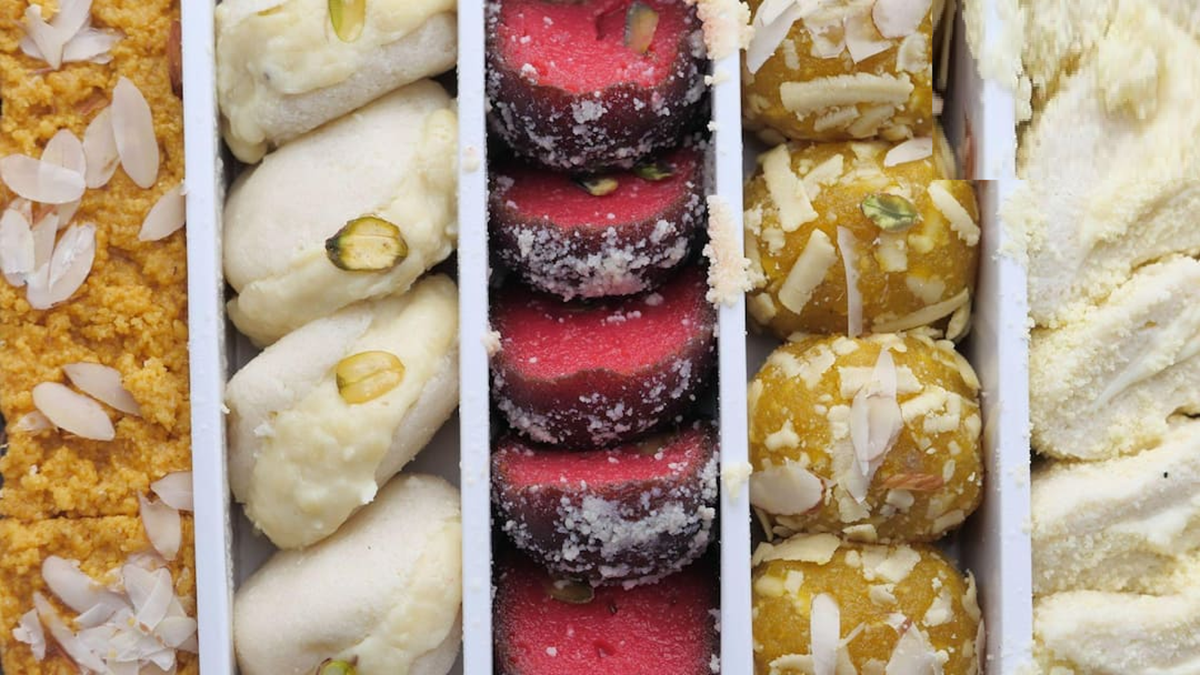
Diabetics can enjoy almond katli, pistachio rolls, and dry fruit sweets made without added sugar on Diwali. Almonds and pistachios contain protein, fiber, and healthy fats, making them part of a balanced diet. However, this doesn't mean you can eat as much of these sweets as you like. They also contain calories and carbohydrates. People often overeat fig rolls and date sweets, thinking they're healthy, but they contain natural sugar. Therefore, consume these in moderation. When buying sweets, be sure to read the ingredients and choose those that don't contain excess sugar.
Make less sweet desserts at home
It's difficult to estimate the amount of sugar and ghee in commercial sweets. In such a situation, making sweets at home is a better option. You can prepare coconut laddus, almond sweets, or semolina pudding. Use a sweetener like stevia instead of sugar, as advised by a doctor or dietitian. When making sweets, also consider the quantity of dried fruits, coconut, and other ingredients. Simply replacing sugar with a sweetener doesn't make sweets completely safe for diabetics. Semolina, coconut, and dried fruits also contain carbohydrates and calories. Therefore, even homemade sweets should be consumed in small quantities.
Keep these important things in mind on Diwali
Diabetics should avoid disrupting their eating habits and routine during festivals. Instead of eating sweets on an empty stomach, consume them in small quantities with a balanced diet. Eat small portions at a time and avoid frequent sweets. Include pulses, vegetables, salads, and protein-rich foods in your diet. Taking a light walk for 10 to 15 minutes after eating sweets or meals also helps control blood sugar. Avoid sugar-free sweets available in the market without thinking, as they contain other carbohydrates and calories. During festivals, keep checking your blood sugar and take your medications on time.