
LIFESTYLE
Dengue Fever: Don't be happy if your dengue fever subsides! The next 24-48 hours are crucial.
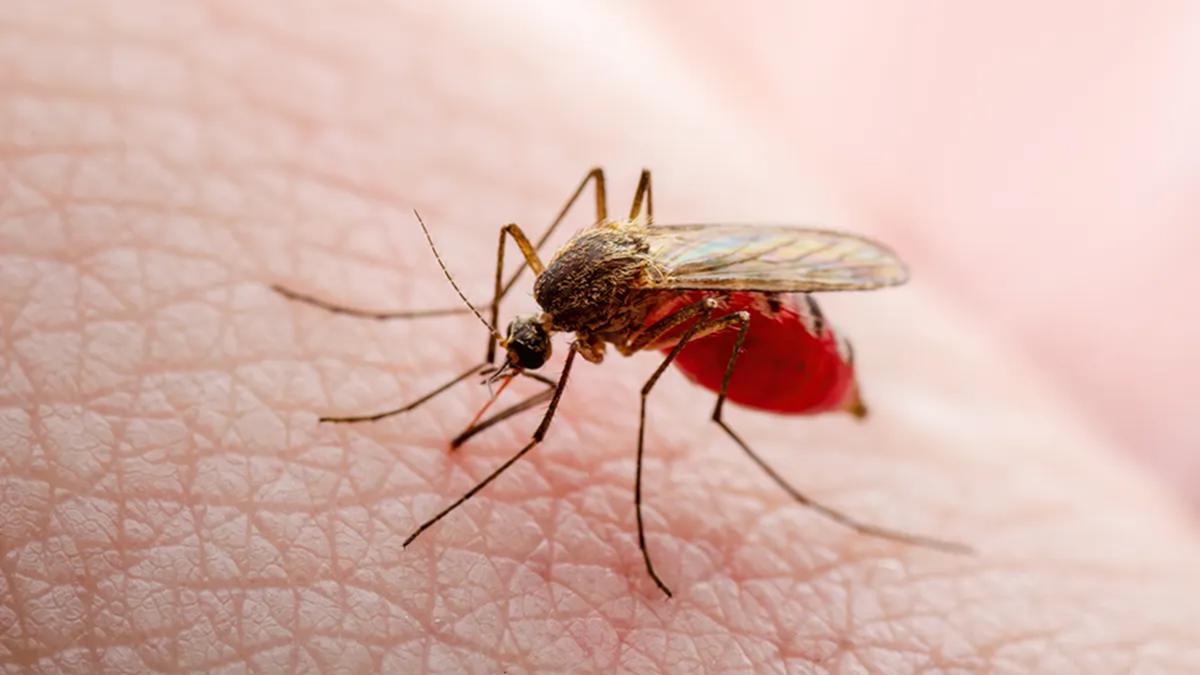
Dengue Fever: The next 24 to 48 hours after the fever subsides can be crucial. During this time, some patients' conditions can suddenly worsen, and the disease can progress to severe dengue.
Danger signs after dengue fever subsides
Why Dengue Gets Worse After Fever Drops: As soon as the dengue fever subsides, many people assume that the danger is over and the patient is recovering. But this is not always the case with dengue. In fact, the next 24 to 48 hours after the fever subsides can be very crucial. During this time, the condition of some patients can suddenly deteriorate, and the disease can turn into severe dengue. Parents caring for children, especially, need to be extra vigilant during this time. Dengue infection usually goes through three stages. Different changes can occur in the body in each stage. Therefore, it is not right to consider the subsiding of fever alone as a sign of complete recovery.
Stage 1: When the fever is high
According to a report by Medanta, the initial stage of dengue is characterized by fever. This infection typically begins 4 to 10 days after a mosquito bite and lasts 2 to 7 days. During this stage, symptoms such as a sudden high fever, severe headache, pain behind the eyes, and muscle and joint pain may occur. Additionally, symptoms such as facial flushing, redness of the skin, nausea, vomiting, and loss of appetite may also appear. Some patients may also experience a rash or mild bleeding from the nose and gums. During this stage, it is important to provide adequate fluids and monitor the patient's condition.
The most important phase may begin after the fever subsides.
The second stage of dengue, the critical phase, often occurs between the third and seventh days of illness. This is when the fever may subside or completely subside. However, many people make the mistake of considering this a sign of complete recovery. In fact, the next 24 to 48 hours after the fever subsides can be critical. During this time, some patients may experience plasma leakage from their blood vessels. Platelets may rapidly decrease, increasing the risk of shock. Therefore, monitoring the patient should not be stopped even if the temperature returns to normal. This is what makes dengue a deceptive disease. The patient may feel better, but at the same time, severe symptoms may emerge. In some cases, the condition can deteriorate rapidly within hours.
Do not ignore these signs after the fever subsides.
If a dengue patient experiences severe abdominal pain or increased tenderness to the touch after the fever subsides, this can be considered a serious sign. Persistent vomiting is also a cause for concern. Vomiting three or more times in 24 hours should prompt immediate medical attention. Bleeding from the nose or gums can also be a serious symptom. Blood in the vomit or stool that appears black and tarry may indicate internal bleeding. In such cases, treatment should be avoided.
Additionally, a patient's excessive fatigue, lethargy, restlessness, or unusual behavior can also be warning signs. Rapid breathing or difficulty breathing, and pale, cold, or clammy skin can also indicate a serious condition. Symptoms such as excessive thirst, extreme weakness, and difficulty maintaining consciousness should also be addressed immediately. These signs may indicate fluid imbalance in the body.
Who needs to be more careful?
Certain individuals may be at higher risk for severe dengue. These include children under 10 years of age, those over 65 years of age, and those with diabetes, high blood pressure, or long-term kidney or liver disease. Those who contract dengue for the second time may also be at increased risk for severe dengue. Therefore, if a patient has had a previous dengue infection, it is important to pay more attention to their symptoms.
Third stage: When does recovery begin?
After the critical phase passes without any serious complications, recovery can begin. Patients typically begin to notice improvement around the sixth or seventh day of illness. Appetite returns, fatigue may decrease, and platelet counts increase. Excess fluids begin to return to the bloodstream, and patients may urinate more frequently than before. In some people, a red, itchy rash may reappear during this time.