LIFESTYLE
Delhi NCR Air Pollution: Masks, disease and fear, how is the toxic air of Delhi-NCR taking away the smiles of children?
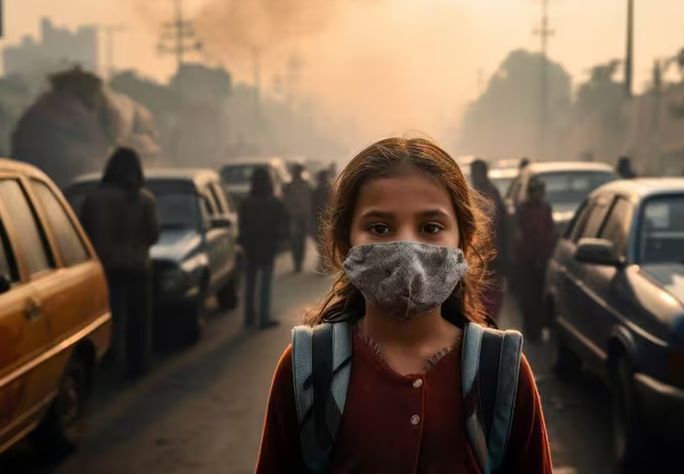
Air Quality Monitoring Delhi: Air pollution has wreaked havoc in Delhi. Many people have left Delhi to escape it. Let us tell you what the latest report has revealed.
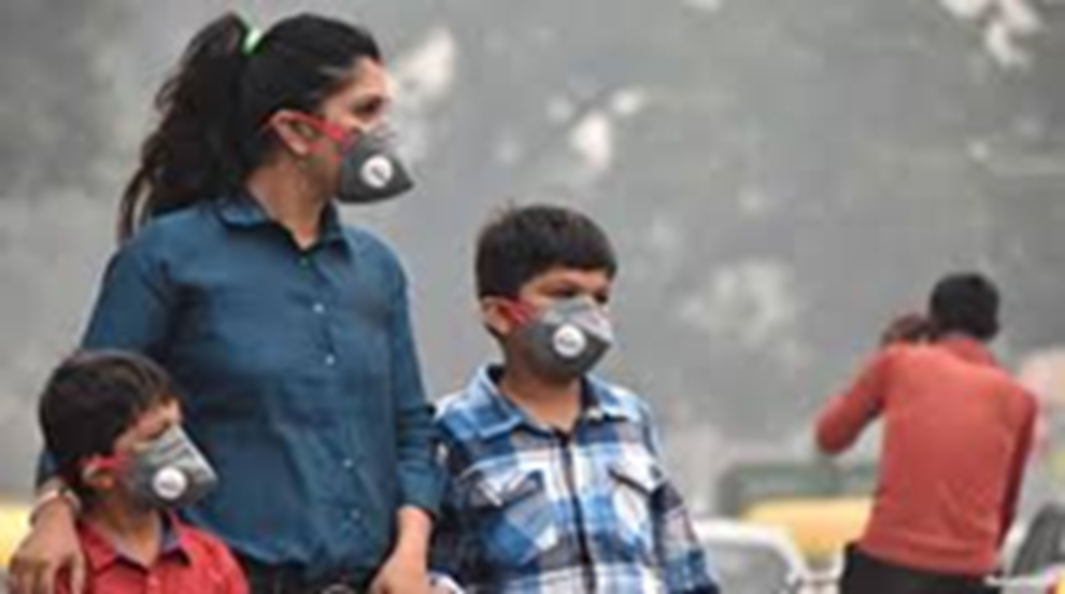
Condition of children due to pollution in Delhi NCR
How Air Pollution Affects Children in Delhi : Air pollution has wreaked havoc in Delhi for the past few years. A new report by Chintan Environmental Research and Action Group has revealed that increasing air pollution in Delhi-NCR is having a profound impact on children's health, mental state, studies, and daily life. This study was based on interviews with 1,257 children aged 6 to 15 years between December 2025 and January 2026, when pollution was at its peak. Of these, 86 percent admitted that polluted air was directly harming their health. After October 2025, about 44 percent of children had to visit a doctor, and many children had to seek treatment more than once due to problems like breathing difficulty, cough, headache, and fatigue.
What is mentioned in the report?
The report, titled "A Generation Under Siege," stated that 77 percent of children said the toxic air makes them feel restless, irritable, scared, or stressed. Approximately 46.6 percent said they would like to leave Delhi-NCR if given the chance. The report also revealed that the impact of pollution isn't limited to children; their parents, siblings, and grandparents are also falling ill. Nearly 55 percent of children admitted that they had to miss school due to pollution-related health problems, which also affected their studies.
Children try to save themselves
When the air becomes toxic, children definitely try to protect themselves. Nearly 85 percent of children adopted some form of protection. Of these, 39 percent used N95 masks or air purifiers, while 37 percent preferred to stay indoors or limit outdoor activities. Despite this, 85 percent reported experiencing symptoms such as eye irritation, cough, headache, and fatigue. This clearly shows that even after taking precautions, they do not feel completely safe.
It states that many children are forced to go out to school, play sports, or other activities even during periods of severe pollution. This highlights the need to develop policies that focus on children's health and their experiences. According to the report, city averages alone are not sufficient; instead, it's crucial to understand the quality of air children are breathing at home, at school, and on their daily commutes.