
TRAVEL
Delhi Launches ‘Aftercare Scheme’ for Orphans Above 18! Government to Support Education, Jobs and Rehabilitation
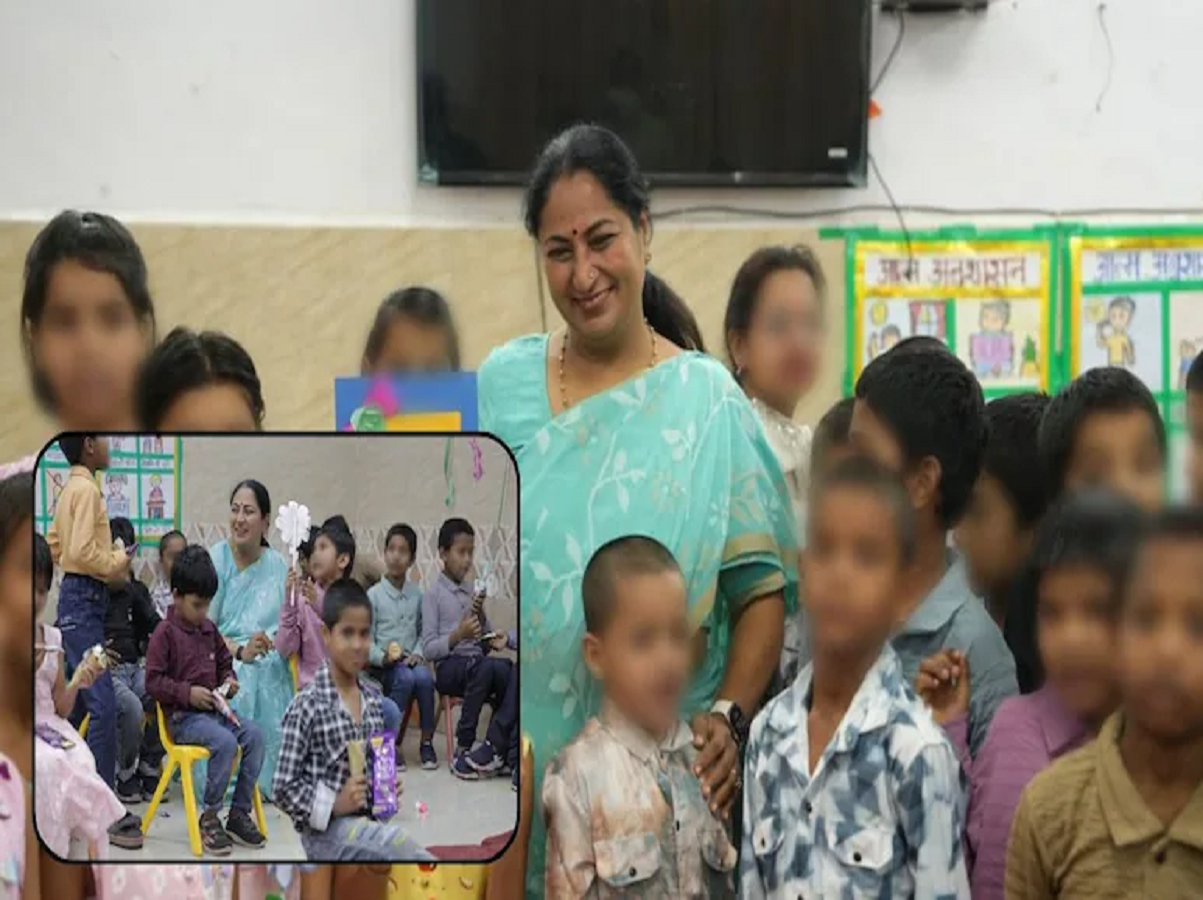
In a major welfare announcement for orphaned and vulnerable youth, Rekha Gupta has introduced the new Aftercare Scheme for Young Persons aimed at supporting young adults after they leave child care institutions.
The scheme was announced on May 10, 2026, on the occasion of Mother’s Day during the Chief Minister’s visit to Village Cottage Home.
The initiative has been designed to help young people who turn 18 and are required to leave orphanages or child care institutions. Officials say the goal is to ensure these youths do not suddenly lose support and are instead guided toward education, employment, and independent living.
What Is the Aftercare Scheme for Young Persons?
Aftercare Scheme for Young Persons is a rehabilitation and support initiative launched by the Government of Delhi.
The scheme focuses on helping:
- Orphans
- Vulnerable youth
- Children leaving child care institutions
- Young adults without family support
after they cross the age of 18.
Officials say many children living in orphanages struggle after leaving institutional care because they often lack:
- Financial support
- Higher education access
- Career guidance
- Housing and rehabilitation support
The new program aims to bridge this gap.
Delhi Government Will Continue Support Beyond 18 Years
Chief Minister Rekha Gupta said the government will continue assisting eligible youth even after they leave child care homes.
Under the scheme, beneficiaries may receive support for:
- College education
- Skill development
- Job search assistance
- Career counseling
- Internship opportunities
- Financial aid
- Rehabilitation support
The government says the objective is to help young adults become self-reliant and financially independent.
₹3.5 Crore Budget Allocated
For the financial year 2026–27, the Delhi government has allocated:
- ₹3.5 crore
for implementation of the aftercare scheme.
Officials believe the program could significantly improve rehabilitation outcomes for youth transitioning out of institutional care.
Who Will Be Eligible?
The scheme is specifically meant for young people who:
- Are 18 years or older
- Have lived in Delhi-based child care institutions
- Are leaving institutional care after turning 18
- Are orphans or children requiring care and protection
Eligibility Conditions
| Criteria | Details |
|---|---|
| Minimum Age | 18 Years |
| Eligible Individuals | Orphans and vulnerable youth |
| Residency Condition | Must be from Delhi child care institutions |
Personalized Care Plans for Every Beneficiary
According to officials, each eligible beneficiary will undergo a needs assessment process.
Based on this evaluation:
- Individual care plans will be created
- Rehabilitation support will be customized
- Career and education needs will be reviewed separately
The government says this approach will help ensure targeted and practical support instead of a one-size-fits-all model.
State and District-Level Committees to Monitor Scheme
To oversee implementation, the Delhi government will establish dedicated aftercare monitoring committees.
State-Level Aftercare Committee
A state-level committee will be formed under the chairmanship of the Secretary of the Women and Child Development Department.
The committee will handle:
- Policy decisions
- Monitoring
- Supervision
- Program implementation review
District-Level Committees Also Planned
District-level aftercare committees will also be established.
These committees will reportedly be chaired by:
- District Magistrates (DMs)
Their responsibilities will include:
- Reviewing rehabilitation needs
- Monitoring individual care plans
- Recommending assistance
- Evaluating beneficiary progress
Focus on Long-Term Rehabilitation
Child welfare experts have long argued that many young adults face severe challenges after leaving institutional care because support systems end abruptly at age 18.
Common problems include:
- Lack of employment
- Housing insecurity
- Educational discontinuation
- Emotional distress
- Financial instability
The new scheme attempts to create a smoother transition into independent adult life.
Announcement Made on Mother’s Day
The timing of the announcement on Mother’s Day added emotional significance to the initiative.
During her visit to Village Cottage Home, Chief Minister Rekha Gupta emphasized that the government must continue supporting vulnerable youth even after they leave institutional care.
Officials believe the scheme could become an important model for long-term child rehabilitation policies in India.
Major Step for Youth Welfare in Delhi
Social welfare experts say the scheme could help improve:
- Youth rehabilitation
- Employment readiness
- Educational continuation
- Financial independence
- Social reintegration
for thousands of vulnerable young adults in Delhi.
The government is expected to release additional operational guidelines and implementation details in the coming weeks.