Business
Credit Card Limit: Why is the credit card limit higher than your salary? Understand this game plan of banks
Whether it's movie tickets, online shopping, or EMI purchases, everyone uses credit cards a lot these days. But have you ever wondered why people are using credit so heavily these days? Do you know why banks deliberately give credit limits higher than salary? And do you know how much you can spend even with a credit limit of thousands of rupees? If not, this is for you.
Credit cards are becoming increasingly popular among young people these days. Cashback offers, attractive deals, and free lounge access are attracting young people. Therefore, it's important to understand how to use credit cards and what to avoid.
Why do banks offer higher credit limits?
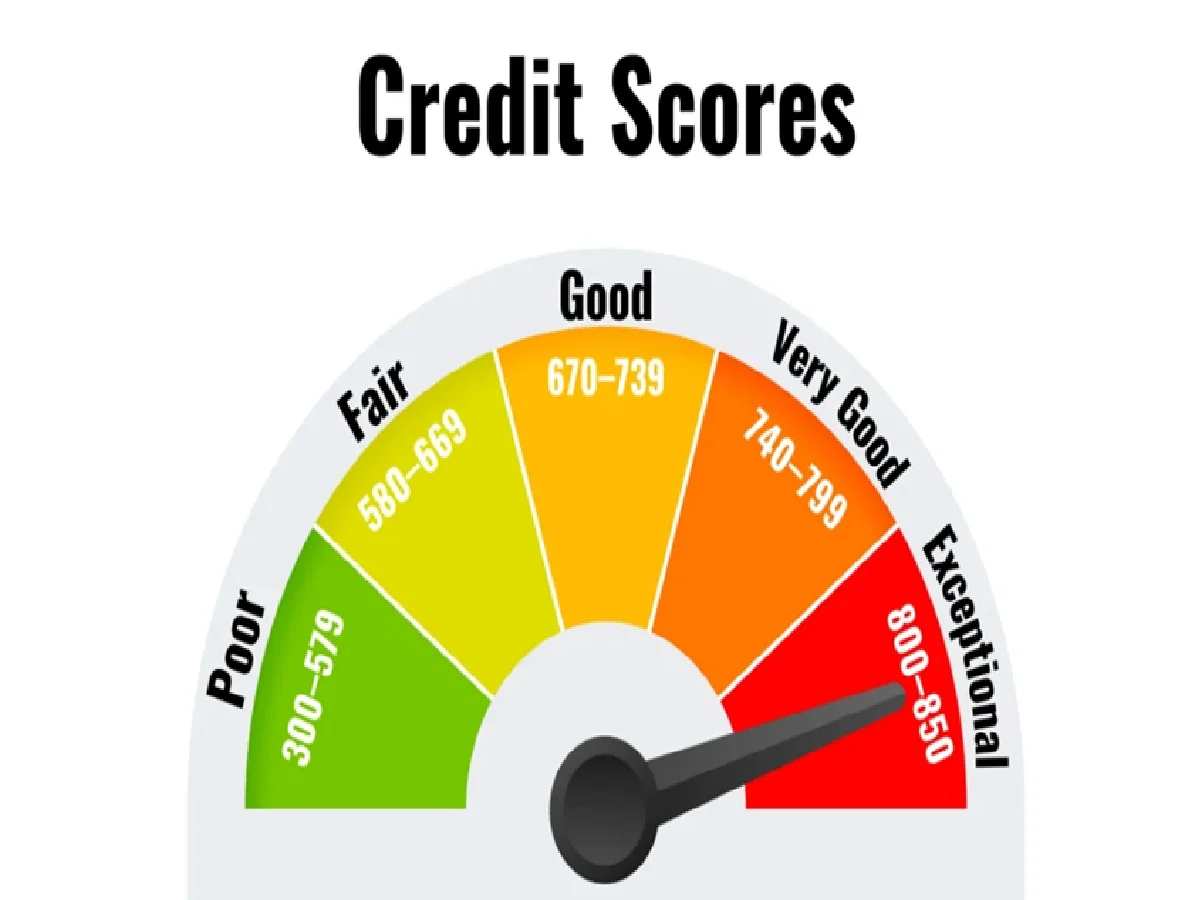
We've often seen banks offer higher credit limits based on salary. But have you ever wondered how banks can offer a credit limit of up to Rs. 70,000 for a salary of Rs. 50,000? In fact, in addition to salary, banks also consider a customer's credit score, payment history, and overall financial condition. But behind all this, banks also consider another factor: their own profit, which they earn from interest and merchant commissions. Credit card companies earn profits by offering higher limits. If you use the limit and pay the full bill on time, the bank earns a commission from the merchant. If you fail to pay the full bill, the bank earns higher interest and late fees.
How much should you spend?
If you use a credit card, you should limit your disposable income to 30% so you don't face any difficulties paying your bills. If your disposable income is ₹60,000, you should spend a maximum of ₹18,000 on your credit card. According to experts, you should never spend more than 30% on your credit card, as this can damage your credit score and make it difficult to pay your bills.
Is it right to pay minimum due?
The simple answer to this question is "no." Paying the minimum due amount is never a good idea. It benefits the bank, but leaves the customer trapped in an interest trap. Therefore, pay the full amount each month. Paying only the minimum amount may result in the bank charging late fees and interest, making it even more difficult to pay in subsequent months.
PC: Navarastra