
LIFESTYLE
Children born to fathers with low sperm counts have a 150-fold increased risk of cancer, a surprising study suggests.
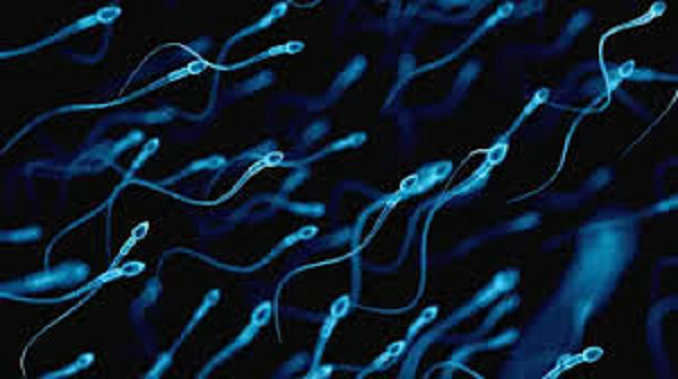
A recent surprising research has confirmed that the risk of cancer in children of men who have very low or no sperm count increases manifold.

With healthy lifestyles and stressful lives, the problem of low sperm counts has become common. Did you know that a father's fertility can also affect the health of his children? A surprising study recently confirmed that men with very low or no sperm counts have a manifold increased risk of developing cancer in their children and other family members. So, let's find out why children of fathers with low sperm counts have a 150-fold increased risk of cancer.
What did the research find?
Scientists at the University of Utah conducted the largest and first study on this topic. They analyzed data from 786 men treated at Utah fertility clinics between 1996 and 2017. Of these men, 426 had azoospermia, a complete absence of sperm. 360 had a very low sperm count, or oligospermia. They compared these men to men who had children and had normal sperm counts.
Children of fathers with low sperm counts have a 150-fold increased risk of cancer.
The research found that men with low sperm counts had a 150 percent increased risk of cancer in their families. Furthermore, relatives of men with low sperm counts also had an increased risk of several types of cancer. In families of men with low sperm counts, the risk of bone and joint cancer increased by 156 percent, the risk of lymphoma increased by 60 percent, the risk of soft tissue cancer increased by 56 percent, the risk of thyroid cancer increased by 54 percent, and the risk of uterine cancer increased by 27 percent.
Furthermore, men with low sperm counts had a 143 percent increased risk of bone and joint cancer, a 134 percent increased risk of testicular cancer, and a 16 percent increased risk of colon cancer. However, one cancer that was found to have a reduced risk was esophageal cancer, with a 61 percent reduction in risk.
Why is this danger increasing?
Scientists believe that when similar diseases appear in several members of a family, there may be genetic or environmental reasons behind it. University of Utah researcher Joemy Ramsey says that if families show similar patterns of cancer, it could mean that they share similar genes or lifestyle habits. This helps us understand the biological causes behind both infertility and cancer. Scientists are now DNA sequencing the genes of these families to determine which gene mutations lead to this link.
What does low sperm count mean?
Normally, a man's sperm contains 15 million or more sperm per milliliter. If the number is less than 15 million, it is called oligospermia. If sperm are completely absent, it is called azoospermia. Men with low sperm counts often have poor sperm speed and quality, which reduces the chances of pregnancy. It is estimated that 1 in 20 men faces infertility. Sometimes it is due to genetic reasons, but in some cases it is also caused by lifestyle factors like excessive alcohol consumption, smoking, drug use, radiation, high temperatures or hormonal imbalance.
How is the effect of low sperm count visible?
The research also found that families with men with low sperm counts had an increased risk of cancer across generations. Some groups had an increased risk of cancer in youth, while in many cases, the risk of childhood cancer also increased. In some families, multiple types of cancer were found simultaneously.
This means that low sperm count isn't just an individual problem, but may be linked to the genetic health of the entire family. The researchers say this study will help doctors understand which families are at higher risk for cancer and provide advice on prevention and timely screening.