
NEWS
Chhainsa Village: How did 15 deaths occur in 24 days in Chhainsa, Haryana, which disease is making people victims?
Chhainsa Village Deaths: Following the deaths caused by drinking contaminated water in Madhya Pradesh, a similar case has now emerged in Haryana. Let us explain it in detail.
Does drinking dirty water cause death?
Haryana Contaminated Water Deaths: Several deaths within just a few weeks have spread panic in Chhainsa village, located in the Hathin subdivision of Haryana's Palwal district. Reports indicate that the death toll has reached more than 15 in the past 24 days, after allegedly consuming contaminated drinking water. Previously, several people died due to contaminated drinking water in some areas of Madhya Pradesh.
What is the matter?
According to media reports, people in this village of about 5,700 people suddenly began falling ill in late January. Initially, three people fell ill and died, but the number of deaths has since risen. The deceased include the elderly, young people, and schoolchildren. Villagers reported symptoms such as fever, cough, body aches, vomiting, and diarrhea. Many seriously ill patients were hospitalized, but some could not be saved.
Villagers allege that the water has been contaminated for several days, but no concrete steps have been taken to test it. Symptoms of waterborne diseases have appeared throughout the village. The local primary health center, built to serve the surrounding 40,000 people, is now unable to provide basic services to its own villagers. There is only one doctor on staff, pharmacist, and paramedical staff positions are vacant, and there is no proper testing system.
What do the experts say?
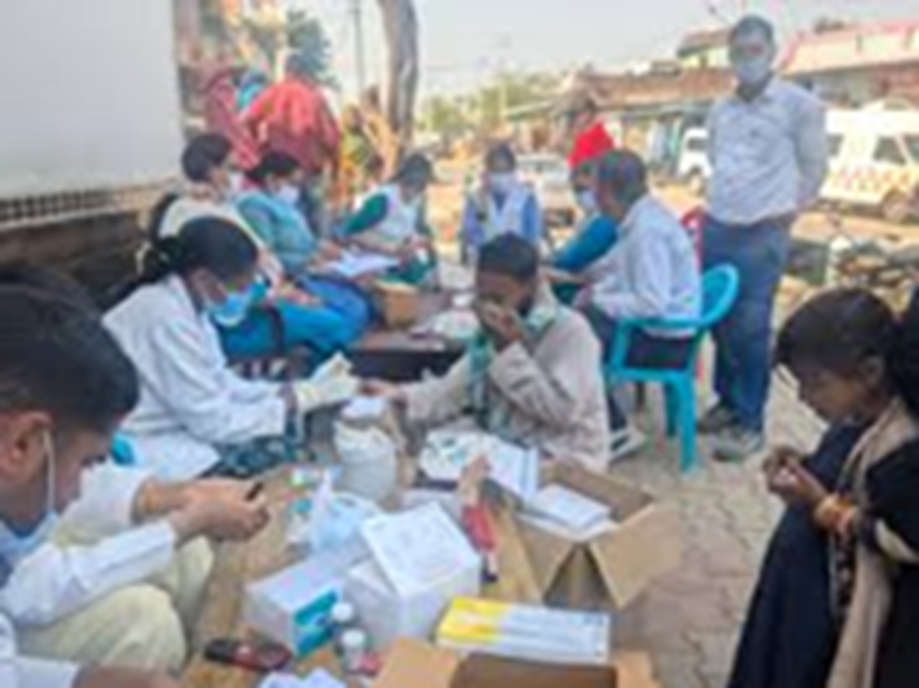
According to Palwal CMO Dr. Satinder Vashisht, the investigation began on February 1. According to the latest report, 1,100 samples have been collected, and over 2,100 homes have been screened. Two patients admitted to Palwal Civil Hospital tested positive for hepatitis B and C. Preliminary investigations linked the deaths to liver infections, multi-organ failure, and waterborne diseases. Of the 107 water samples, 23 were found to be contaminated with bacteria and lacked chlorine. Four health monitoring teams were subsequently deployed, and temporary clean water was arranged through tankers.
However, it is still unclear what the direct cause of the deaths was. The administration is investigating several aspects, including contaminated water, dirt in the pipelines, stagnant water, and negligence by unlicensed doctors. Tests are underway for hepatitis A, B, and C, as well as other infections. So far, more than 2,000 people have been examined at three temporary medical camps, and 32 have tested positive for hepatitis B and C. A team from the National Center for Disease Control is investigating and preparing a detailed report. Meanwhile, allegations of leaks in the water supply lines and the flow of sewage water into the village have also surfaced.