
LIFESTYLE
Can Stress Cause Premature Grey Hair? Experts Explain the Causes and Ways to Protect Your Hair
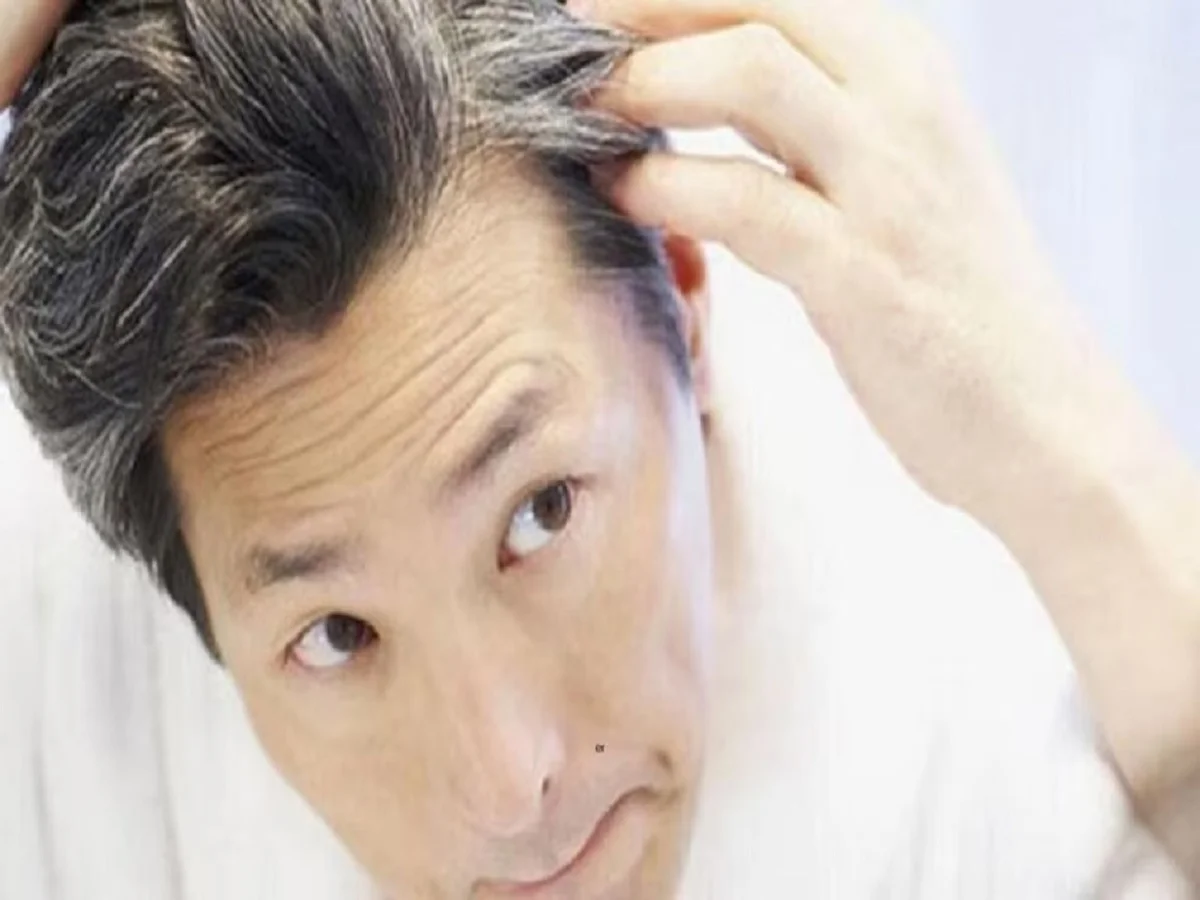
Grey hair was once considered a natural sign of aging, but today, many people begin noticing white or grey strands in their 20s and 30s. While genetics remains the primary reason for premature greying, health experts say that chronic stress, nutritional deficiencies, certain medical conditions, and lifestyle habits may also influence hair health.
As modern lifestyles become increasingly fast-paced and stressful, many people wonder whether mental stress can actually accelerate the greying process. Research suggests there may be a connection, although stress is rarely the only factor involved.
Here's what experts say about why hair turns grey and the steps you can take to support healthy hair.
Why Does Hair Turn Grey?
Hair gets its natural color from a pigment called melanin, which is produced by specialized cells known as melanocytes.
Over time, these pigment-producing cells gradually become less active or decrease in number. As melanin production declines, hair begins to lose its natural color and gradually turns grey or white.
This process is a normal part of aging, but in some individuals it can begin much earlier.
Can Stress Lead to Premature Grey Hair?
Several scientific studies have explored the relationship between chronic stress and premature greying.
Research published by the U.S. National Institutes of Health (NIH) suggests that prolonged stress may affect stem cells responsible for generating melanocytes. When these stem cells become depleted or damaged, the body may produce less melanin, potentially contributing to earlier hair greying.
However, experts emphasize that stress alone does not determine whether someone will develop grey hair prematurely.
Each person's body responds differently to stress. While long-term psychological stress may influence hair pigmentation in some individuals, genetics and other health factors often play a much larger role.
Other Common Causes of Premature Grey Hair
1. Genetic Factors
Family history is one of the strongest predictors of early greying.
If parents or close relatives developed grey hair at a young age, the likelihood of experiencing the same pattern is significantly higher.
2. Nutritional Deficiencies
Certain nutrient deficiencies may affect hair health and pigmentation.
These include deficiencies in:
- Vitamin B12
- Iron
- Copper
- Folate
- Protein and other essential nutrients
Maintaining a balanced diet can help support normal hair growth and overall health.
3. Thyroid Disorders
Both hypothyroidism and hyperthyroidism can influence hair quality and may contribute to premature greying in some individuals.
Anyone experiencing sudden hair changes along with other symptoms should consult a healthcare professional for evaluation.
4. Autoimmune Conditions
Some autoimmune disorders can affect melanocytes, the cells responsible for producing hair pigment.
Damage to these cells may contribute to changes in natural hair color.
5. Smoking
Several studies have linked smoking to an increased risk of premature grey hair.
Smoking contributes to oxidative stress and cellular damage, which may accelerate aging processes throughout the body, including those affecting hair follicles.
6. Unhealthy Lifestyle Habits
Poor overall lifestyle choices may also affect hair health.
Contributing factors include:
- Inadequate sleep.
- Poor nutrition.
- Chronic physical or emotional stress.
- Sedentary lifestyle.
While these habits may not directly cause grey hair, they can negatively affect overall hair quality.
Can Premature Greying Be Prevented?
There is no guaranteed way to completely prevent premature greying, especially when genetics are involved.
However, adopting healthy lifestyle habits may help support hair health and potentially slow the progression in some individuals.
Eat a Balanced Diet
A nutrient-rich diet supports healthy hair growth.
Include foods rich in:
- Protein.
- Iron.
- Zinc.
- Vitamin B12.
- Folate.
- Antioxidants.
- Fresh fruits and vegetables.
A well-balanced diet helps nourish hair follicles and supports normal pigmentation.
Manage Stress Effectively
Although stress may not be the sole cause of grey hair, reducing chronic stress benefits overall health.
Healthy stress-management techniques include:
- Yoga.
- Meditation.
- Deep breathing exercises.
- Regular physical activity.
- Spending time on relaxing hobbies.
Maintaining emotional well-being may also improve overall hair health.
Get Enough Sleep
Quality sleep allows the body to repair tissues and maintain normal biological functions.
Adults should aim for adequate sleep each night to support overall health, including healthy skin and hair.
Avoid Smoking
Quitting smoking offers numerous health benefits and may reduce oxidative stress that contributes to premature aging throughout the body.
It also improves blood circulation, which supports healthier hair follicles.
Minimize Hair Damage
Frequent exposure to harsh chemical treatments can weaken hair over time.
To help maintain healthy hair:
- Limit excessive hair coloring.
- Reduce heat styling.
- Use gentle shampoos and conditioners.
- Protect hair from excessive sun exposure.
Proper hair care helps preserve hair strength and overall appearance.
Final Thoughts
Premature grey hair is influenced by multiple factors, with genetics remaining the most significant cause. However, scientific research suggests that chronic stress, nutritional deficiencies, thyroid disorders, smoking, and certain medical conditions may also contribute to earlier loss of hair pigmentation in some individuals.
While premature greying cannot always be prevented, maintaining a healthy lifestyle, eating a balanced diet, managing stress, getting sufficient sleep, and avoiding smoking can help support healthier hair over the long term.
Disclaimer: This article is intended for informational purposes only and should not be considered medical advice. If you experience sudden or excessive hair greying, hair loss, or other scalp-related concerns, consult a qualified dermatologist or healthcare professional for proper evaluation and treatment.