WB Election
Bengal Polls 2026: Campaigning Ends for Phase 2, Voting Set for April 29 Amid Tight Security
The political heat in West Bengal has reached a crucial stage as campaigning for the second and final phase of the 2026 Assembly elections officially concluded on Monday evening. With voting scheduled for April 29, the state is now set for a decisive electoral battle after days of intense, high-voltage campaigning.
The silence period has come into effect, marking the end of rallies, speeches, and public outreach by political parties. However, the buzz on the ground remains strong as voters prepare to cast their ballots.
Massive Voter Turnout Expected
The second phase will witness participation from a large voter base:
- Total voters: Over 3.21 crore (32.17 million)
- Male voters: Around 1.64 crore
- Female voters: Approximately 1.57 crore
- Third gender voters: 792
Polling will be conducted across 41,001 polling stations, all equipped with webcasting facilities to ensure transparency and real-time monitoring.
Tight Security Across Key Districts
The Election Commission of India has implemented extensive security measures to ensure peaceful voting:
- Deployment of 2,321 companies of central forces across seven districts
- Monitoring by 142 general observers, 95 police observers, and 100 expenditure observers
- Use of drone surveillance and CCTV monitoring
- Highest deployment in Kolkata with 273 companies
These arrangements aim to prevent any untoward incidents and maintain law and order during polling.
Heated Political Face-Off
The election campaign saw sharp exchanges between major parties:
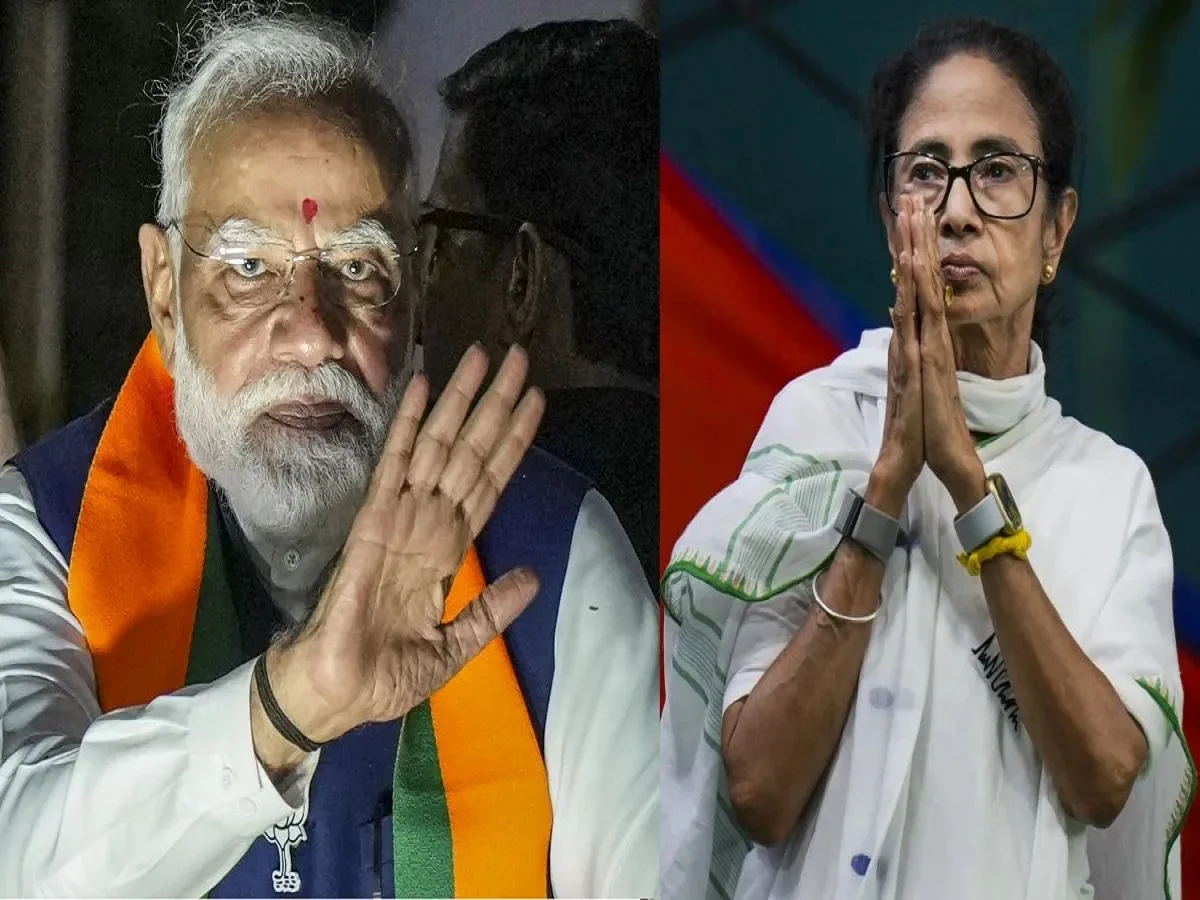
- Bharatiya Janata Party accused the ruling All India Trinamool Congress of poor governance, corruption, and encouraging illegal infiltration
- Mamata Banerjee countered by alleging divisive politics and interference in people’s lives by the BJP
Both sides made strong promises while campaigning across 142 विधानसभा सीटें (Assembly constituencies), making this phase politically significant.
Key Seats and High-Profile Contests
Several constituencies are under the spotlight:
- Bhangar: Highest number of candidates (19)
- Goghat: Lowest number of candidates (5)
- Bhabanipur: Mamata Banerjee faces a tough challenge
- Kolkata Port: Contest between Firhad Hakim (TMC) and BJP’s Rakesh Singh
Other crucial seats include Barrackpore, Dumdum, Jadavpur, Ballygunge, Sandeshkhali, and Ranaghat.
Star Campaigners and Mega Rallies
Top political leaders actively campaigned across the state:
- Narendra Modi, Amit Shah, and Rajnath Singh led rallies for the BJP
- PM Modi emphasized development, security, and outreach to communities like the Matua voters
- Mamata Banerjee held multiple roadshows, expressing confidence in retaining power
- Rahul Gandhi and Adhir Ranjan Chowdhury campaigned for Congress candidates
Key Issues Dominating the Elections
The campaign largely revolved around:
- Law and order concerns
- Crimes against women
- Corruption and alleged “syndicate raj”
- Border security and infiltration
- Unemployment and economic growth
While the BJP focused on strict action against illegal activities, the TMC highlighted governance and welfare schemes, accusing the opposition of failing on promises.
Final Word
With campaigning now over, all eyes are on April 29, when millions of voters in West Bengal will decide the political future of the state. The combination of high voter turnout, tight security, and fierce political competition makes this phase one of the most critical moments in the 2026 elections.