
LIFESTYLE
Run Your AC All Night? This Important Sleep Mode Feature Can Save Electricity and Improve Comfort
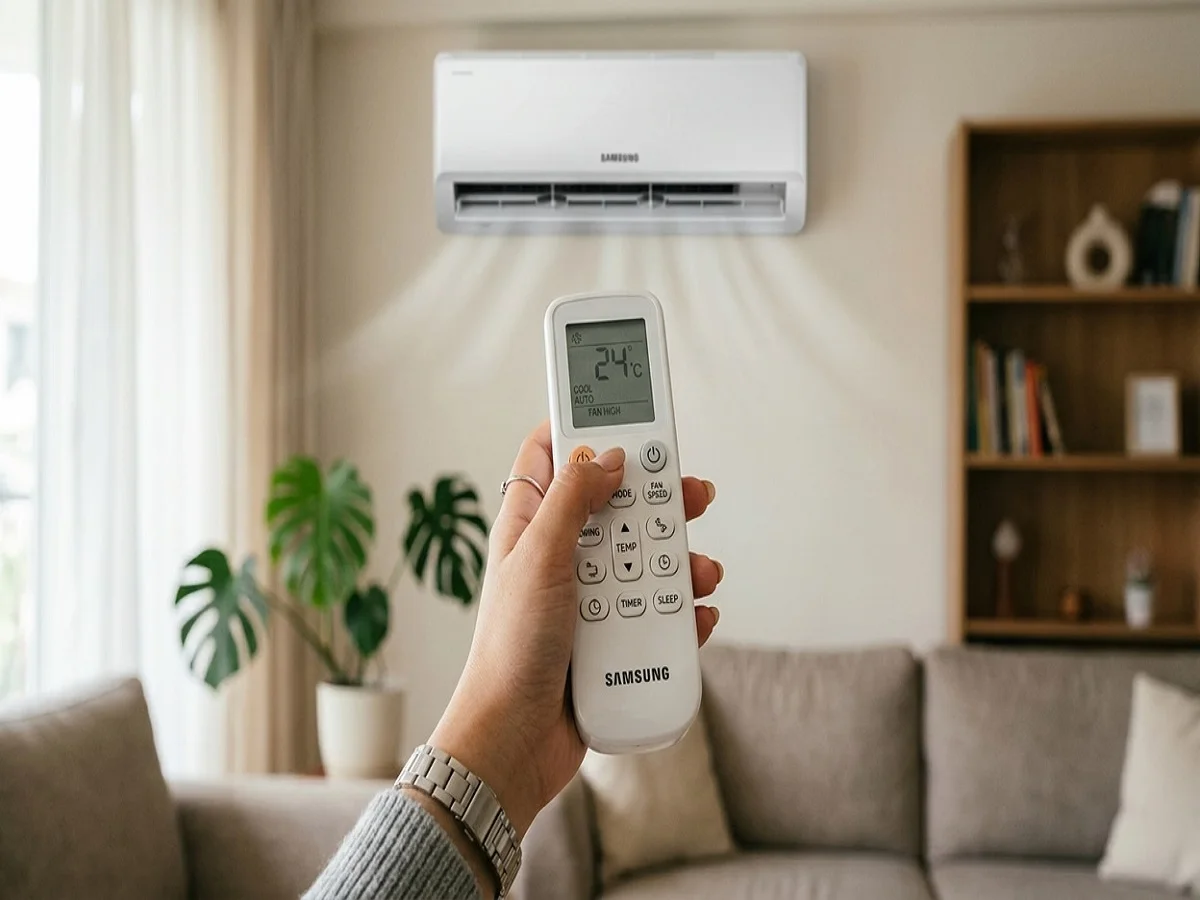
As temperatures continue crossing 45°C in several parts of India, especially during intense summer heatwaves, air conditioners have become essential for comfortable sleep and relief from extreme heat. Many people now keep their AC running throughout the night to stay cool, but continuous overnight usage can often increase electricity bills and put unnecessary pressure on the appliance.
However, most modern air conditioners come with a highly useful feature called “Sleep Mode,” which is specifically designed to improve nighttime comfort while reducing energy consumption. Despite being available in many AC models, a large number of users still do not fully understand how this mode works or why it is beneficial.
Experts say using Sleep Mode correctly can help maintain a balanced room temperature, reduce power usage, improve sleep quality, and extend the lifespan of the AC unit.
What Is Sleep Mode in an Air Conditioner?
Sleep Mode is a smart energy-saving feature available in modern air conditioners that automatically adjusts cooling settings during the night.
Instead of maintaining extremely cold temperatures continuously, the AC gradually changes the room temperature according to the body’s natural cooling needs during sleep.
This helps create a more comfortable sleeping environment while also lowering electricity consumption.
How Sleep Mode Works
When Sleep Mode is activated, the air conditioner slowly increases the temperature over time instead of keeping it fixed at a very low level throughout the night.
Typical Sleep Mode Functioning
- The AC starts cooling normally
- After activation, the temperature increases gradually
- Usually, the temperature rises by 1°C to 2°C every hour
- Compressor workload reduces automatically
- Energy consumption decreases over time
Since the compressor does not need to work continuously at maximum capacity, the system operates more efficiently.
Why Sleep Mode Is Important During the Night
Health experts explain that the human body naturally cools down during sleep. Maintaining extremely low room temperatures for long periods may sometimes lead to discomfort, dryness, headaches, muscle stiffness, or disturbed sleep.
Sleep Mode helps prevent excessive cooling while maintaining a comfortable indoor environment suitable for overnight rest.
Benefits for Better Sleep
- Avoids overcooling during late-night hours
- Maintains balanced room temperature
- Reduces chances of cold-related discomfort
- Helps improve sleep quality
- Creates a more relaxing environment
This gradual temperature adjustment matches the body’s changing cooling needs during sleep cycles.
Sleep Mode Can Reduce Electricity Bills
One of the biggest advantages of Sleep Mode is lower power consumption.
Air conditioners consume the most electricity when compressors operate continuously at lower temperatures. Since Sleep Mode gradually increases the temperature, the compressor works less aggressively, reducing overall electricity usage.
How Sleep Mode Saves Energy
- Reduces compressor workload
- Prevents unnecessary overcooling
- Minimizes continuous high-power operation
- Improves cooling efficiency
- Optimizes overnight energy usage
Experts say using Sleep Mode regularly during summer can significantly reduce monthly electricity bills, especially in households where ACs run for long hours every night.
Reduces Stress on the AC Compressor
The compressor is considered one of the most important and expensive components of an air conditioner. Constant heavy operation can increase wear and tear on the system over time.
Sleep Mode helps reduce stress on internal components by lowering the cooling load gradually.
Long-Term Benefits for the Appliance
- Less compressor strain
- Improved AC efficiency
- Reduced overheating risk
- Longer appliance lifespan
- Lower maintenance requirements
Using energy-saving features correctly can help air conditioners perform better for longer periods.
Ideal Temperature Settings for Sleep
Cooling experts generally recommend maintaining nighttime AC temperatures between 24°C and 26°C for balanced comfort and energy efficiency.
Extremely low temperatures may increase electricity usage unnecessarily while also causing discomfort during long sleeping hours.
Additional Tips for Better AC Efficiency at Night
- Use Sleep Mode regularly
- Keep doors and windows closed
- Clean AC filters frequently
- Use curtains to block daytime heat
- Avoid setting extremely low temperatures
These habits can improve both cooling performance and energy savings.
Why Modern ACs Include Sleep Mode
Manufacturers introduced Sleep Mode primarily to balance comfort and efficiency. Since nighttime cooling requirements differ from daytime usage, this feature helps automate temperature management without requiring manual adjustments.
Today, Sleep Mode has become a standard feature in most modern inverter and smart air conditioners because of growing consumer demand for energy-efficient cooling solutions.
Small Changes Can Make a Big Difference
With electricity prices rising and heatwaves becoming more intense every year, using ACs wisely has become increasingly important for households across India.
Experts say simple habits like enabling Sleep Mode, maintaining proper AC servicing, and choosing moderate temperature settings can improve comfort while lowering electricity expenses significantly.
For people who regularly sleep with the AC running overnight, understanding and using Sleep Mode properly can provide better sleep, improved cooling balance, reduced energy bills, and longer appliance life—all at the same time.