
LIFESTYLE
Air Conditioner Vs Air Cooler: Should you use an AC or a cooler in 45°C heat? Find out from a skin expert which is best for you.
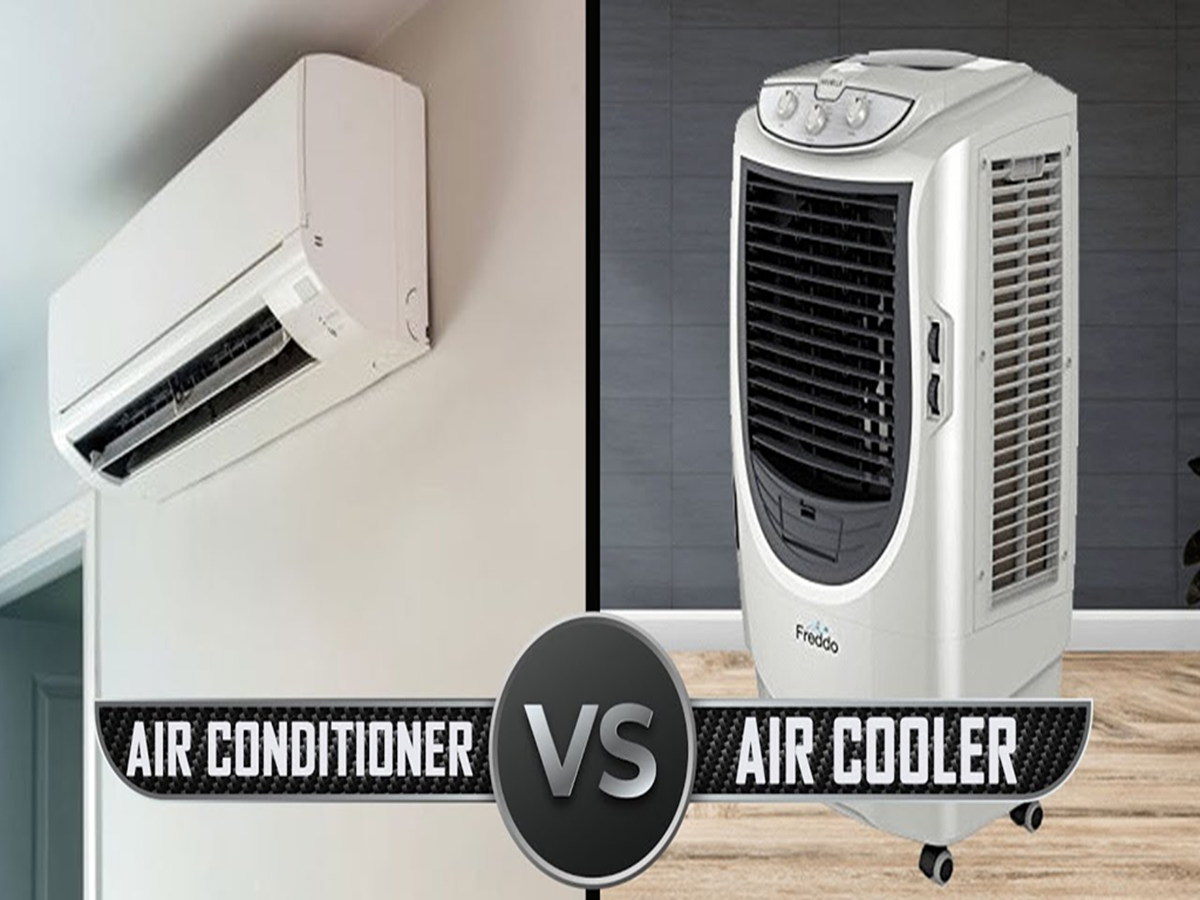
Delhi Heat Cooling Solutions: The heat in Delhi depends on individual needs and the environment. The heat in Delhi is also not uniform. Initially, there is a hot wind, or Loo, which is completely dry.
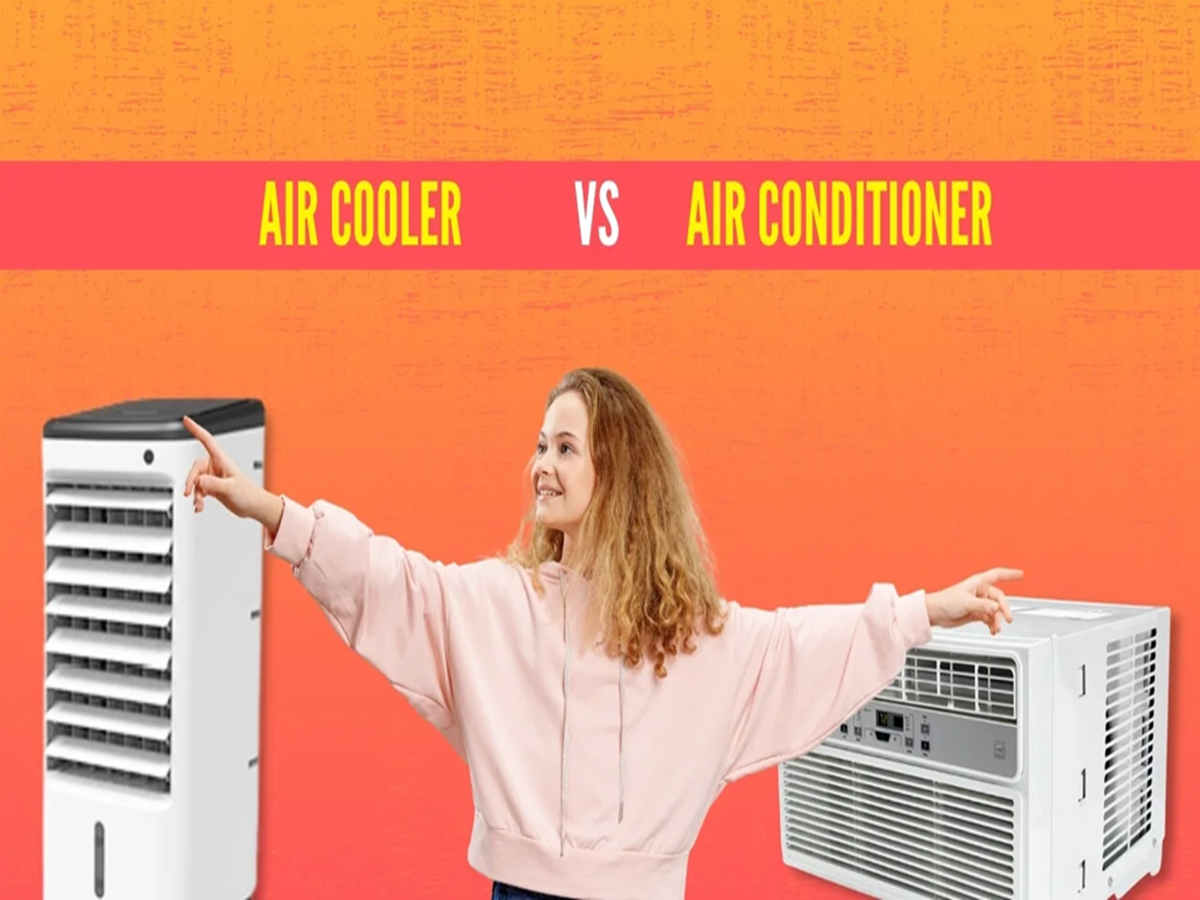
Which is better in summer, AC or a cooler?
Which is better, an AC or an air cooler in summer? Delhi's heat isn't just a weather phenomenon ; it directly impacts the body. As soon as May and June arrive, temperatures soar past 45 degrees, and every household wonders: Which is better this time, an AC or a cooler? The answer isn't so simple. It depends on the heat outside, the air quality inside the room, your budget, and how your skin reacts.
What do experts say?
Skin expert Dr. BL Jangid explains that there's no definitive answer to this question; which option is better depends on each individual's needs and the environment. Delhi's summer heat isn't uniform. Initially, there's a hot, dry wind, or loo. However, as the monsoon approaches, the humidity in the air increases. This change alters the effectiveness of cooling devices. Energy-related studies have shown that water-based cooling methods are more effective in dry summers, while when humidity increases, machine-cooled air provides more relief.
What are the benefits of AC?
The advantage of AC is that it cools the room quickly and maintains a constant temperature. This is especially helpful for the elderly or those who work from home. But it also comes at a cost. According to Dr. BL, AC removes moisture from the air, which can dry out the skin. Prolonged exposure to AC can cause problems like chapped lips, itchy skin, or burning eyes. Therefore, it's important to drink plenty of water, apply a light moisturizer, and avoid sitting directly in cold air for long periods. Additionally, it also consumes more electricity, which increases bills.
What are the benefits of a cooler?
Meanwhile, a cooler has its own advantages. It's inexpensive, uses less electricity, and brings in fresh air from outside. Coolers work especially well in dry summers because they cool the air using water. Experts say coolers increase humidity, making the skin feel less dry. However, this humidity can sometimes be a problem. Those who sweat excessively may develop fungal or bacterial infections and acne. When the humidity in the air becomes too high, coolers become less effective, producing only moist air.
Which is better?
Ultimately, it's not just about cooling; it's also about comfort. AC reduces sweating, which can reduce heat rashes, but can also dry out the skin. Cooler air feels soft, but high humidity can affect the skin. Therefore, the best approach is to strike a balance. In many homes, people use coolers during the early summer and then switch to ACs when the humidity rises. Along with this, daily habits like wearing loose cotton clothing, drinking plenty of water, and keeping the body clean are also important.