
NEWS
AIIMS Study: How effective is yoga nidra for non-epileptic seizures? New AIIMS research surprises.
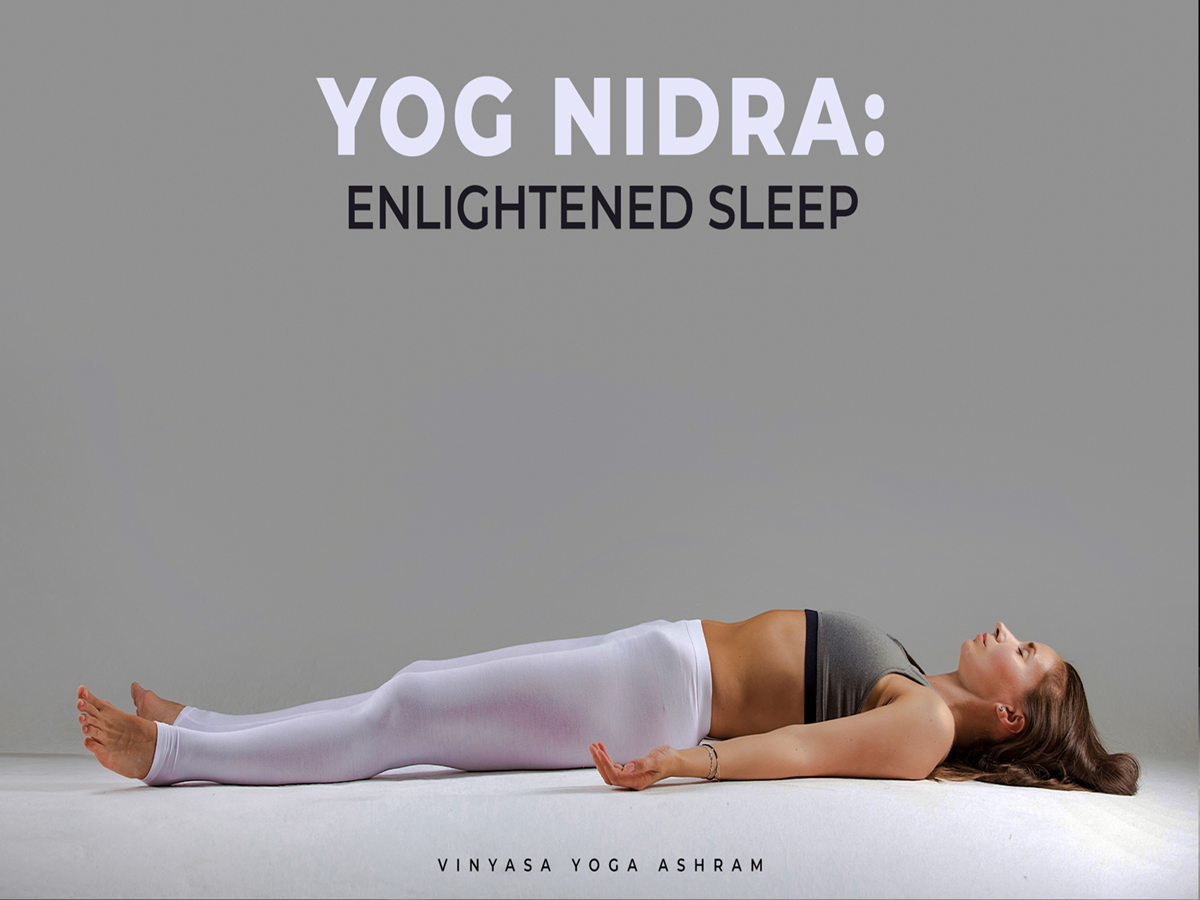
Yoga Nidra is a yoga technique in which a person lies down comfortably, closes their eyes, and follows instructions from an instructor or audio recording, focusing on their breathing.
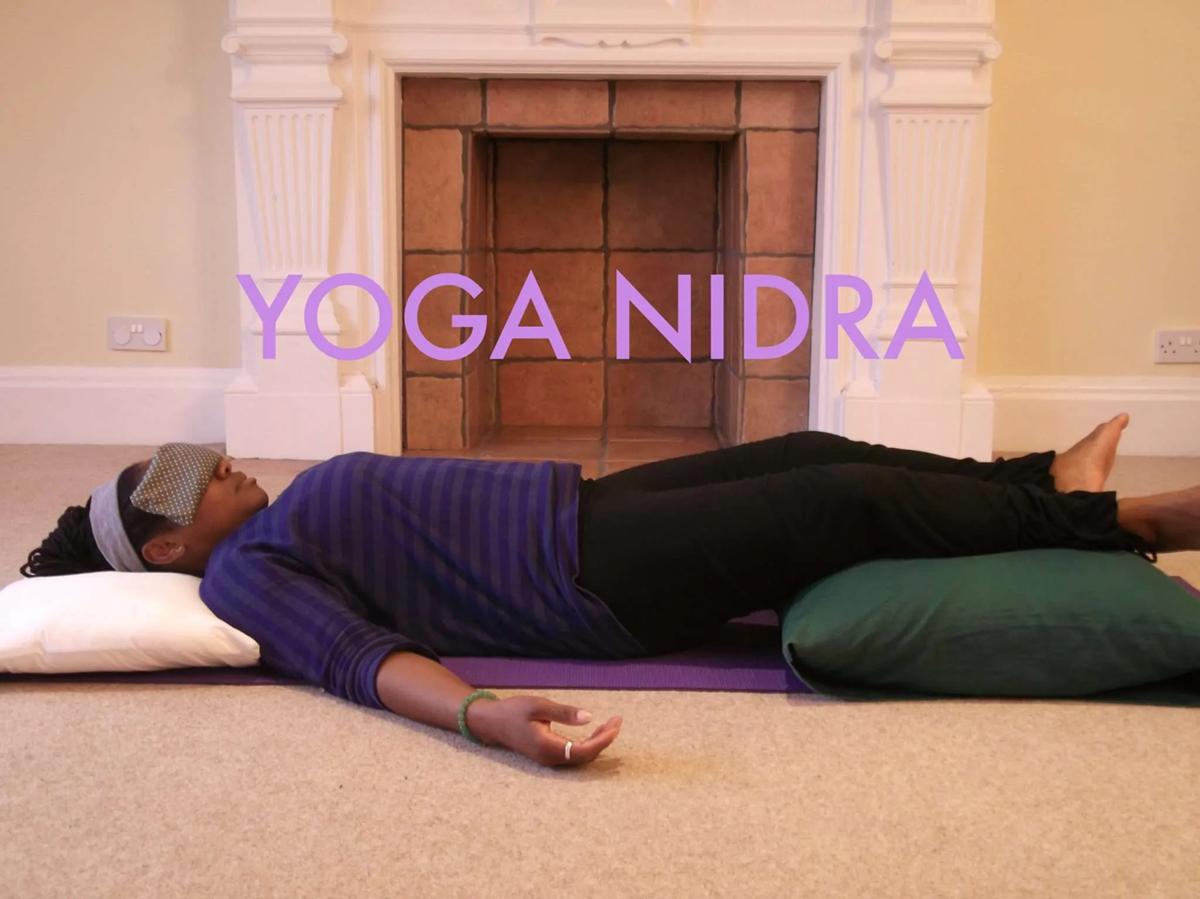
AIIMS Delhi Yoga Nidra Study
Yoga Nidra is considered beneficial for reducing stress, inducing good sleep, and calming the mind, but does it also benefit people who experience epileptic seizures even though they don't actually have epilepsy?
To answer this question, Dr. Manjari Tripathi, a professor in the Department of Neurology at AIIMS, Delhi, and her team conducted a study. The lead author of this study is Dr. Saranya B. Gomathi. This study, conducted on 50 patients, found that while the patients' condition improved, combining yoga nidra with treatment did not provide any significant benefit. This research has been published in the international medical journal Epilepsy & Behavior.
What is Yoga Nidra?
Yoga Nidra is a yoga technique in which a person lies comfortably with their eyes closed and follows instructions provided by an instructor or audio. It involves focusing on breathing, completely relaxing the body, and attempting to calm the mind. It is believed to help reduce stress, anxiety, and sleep problems.
On which disease was the research done?
This research was conducted on a condition called functional dissociative seizures (FDS). Patients experience epileptic seizures, but tests reveal they don't have epilepsy. This means the seizures resemble epilepsy, but their cause is different. This is why patients are often treated for prolonged periods, often assuming they have epilepsy. This condition is accurately diagnosed with a specific test called video-EEG.
How was the study done?
Between January 2021 and February 2022, doctors examined 72 patients. Of these, 50 were included in the research. Initially, all patients were given a simple explanation of their illness and counseling. Following this, 25 patients underwent Yoga Nidra, while the remaining 25 were given a standard audio recording at the same time, which did not include the key techniques of Yoga Nidra. All patients were then monitored for six months.
What did the research reveal?
After six months, patients in both groups showed significant improvement. They had fewer seizures than before, their anxiety and depression also decreased, and their daily lives improved. However, the patients who practiced yoga nidra did not experience any significant benefits compared to the other group. This means that adding yoga nidra to treatment did not lead to better results in this study.
On which people was the study conducted?
Most of the patients in the study were young women. Approximately 66 percent had previously been diagnosed with epilepsy. Most cited academic pressure, domestic stress, or family problems as contributing factors. More than half also suffered from mental health issues such as anxiety and depression.
What did the doctors say?
The doctors who conducted the research say that no harm or side effects were observed from yoga nidra in this study. However, it cannot be proven that adding yoga nidra to the treatment of this disease provides any significant benefit to patients. Therefore, larger and longer-term research on this topic is needed.