LIFESTYLE
XPLANE: What is the 'real food' of India, with 80% of Indians eating meat? BRICS dinner sparks controversy
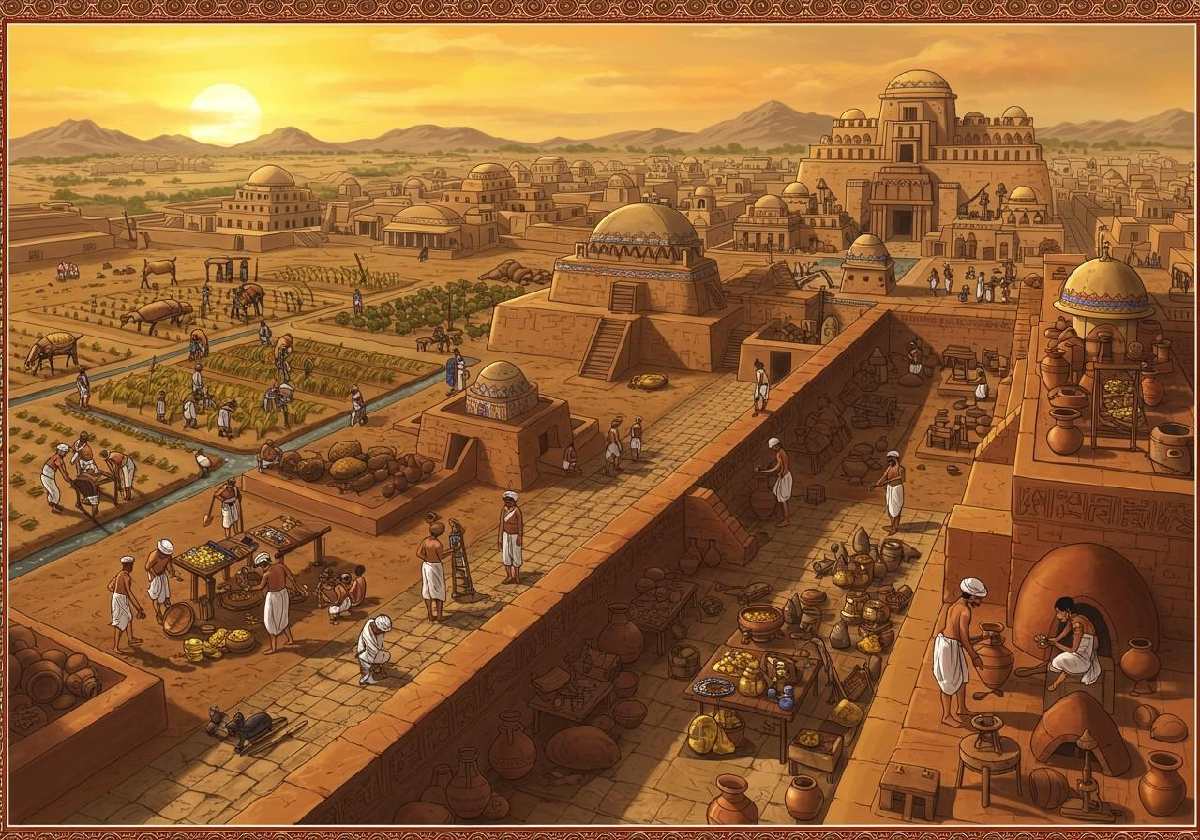
The tradition of meat consumption in India dates back to the Indus Valley Civilization. Vegetarianism came from the Buddhist and Jain traditions. The Mughals introduced kebabs and biryani. The Portuguese brought chilies and potatoes. The British introduced tea and bread. Indian cuisine has flourished throughout the ages.
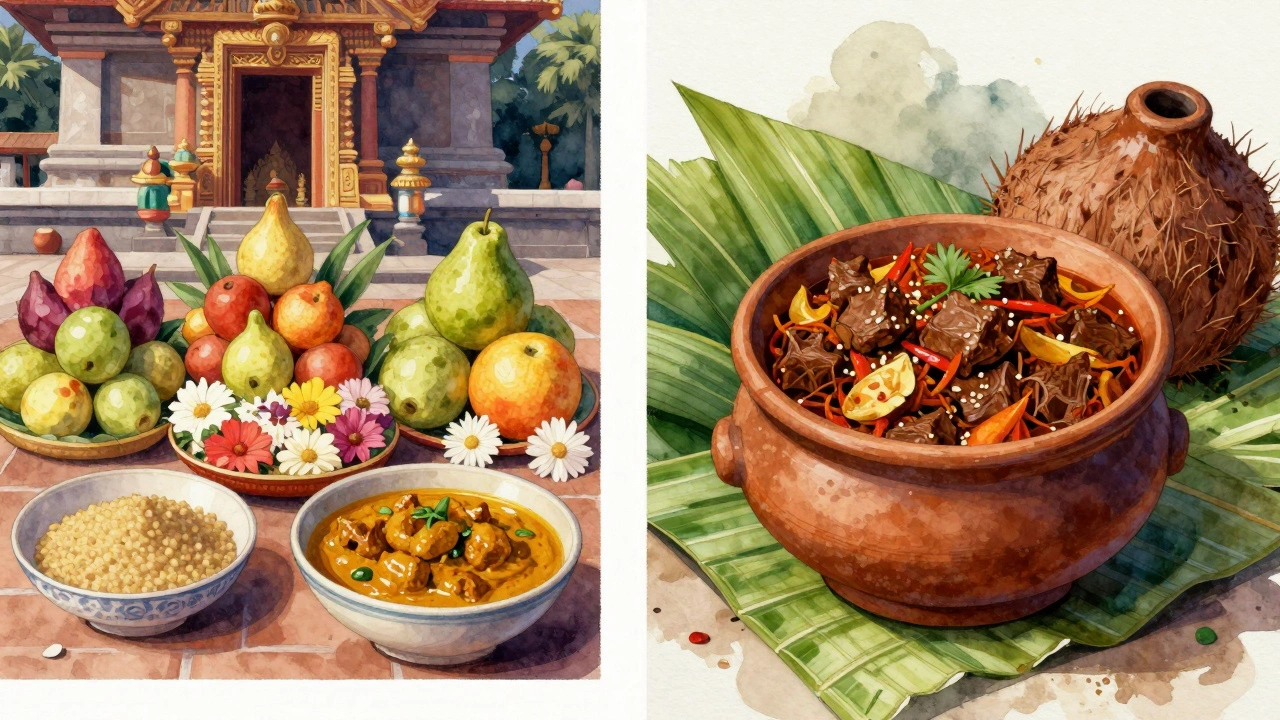
How did vegetarianism reach its 'highest place'?
A vegetarian menu was served at the BRICS Summit's gala dinner in New Delhi on September 12, 2026. It included dishes like Khandvi, Paneer Lababdar, Gucchi Marmik, Millet Pulao, Mushroom Galouti, and Jalebi. Congress leader Rahul Gandhi posted on X, writing, "For the record, 80% of Indians eat non-veg. Indian non-veg food is delicious." Rahul also shared a photo of Priyanka Gandhi Vadra's Chole Bhature. Union Minister Kiren Rijiju retorted, saying that the guests enjoyed Indian vegetarian dishes. The debate was further fueled by a statement by Bageshwar Baba Dhirendra Shastri in West Bengal, calling for a ban on non-veg during Durga Puja.
What exactly is real Indian food?
Indian food isn't just vegetarian; it never was.
If we look into history, we find that the tradition of eating meat in India is thousands of years old.
The Historical Research Journal's report, "The Evaluation of Non-Vegetarianism and Vegetarianism in India in the Past," states that the bones of cows, sheep, tortoises, fish, and chickens found during excavations of the Indus Valley Civilization clearly indicate that people of that era ate meat. Furthermore, many historians believe that the Aryans of the Vedic period also ate beef.
Marxist historian R.S. Sharma wrote in his 1977 book 'India's Ancient Past' that 'because of animal husbandry, beef consumption was prevalent in the Vedic period.'
The University of California, Los Angeles (UCLA) conducted a research study on vegetarian diets in India. According to this, vegetarianism truly emerged after the advent of Buddhism and Jainism. In the sixth century BCE, Mahavira and Buddha emphasized nonviolence, which promoted vegetarianism. UCLA claims in its report that Buddha himself was not a vegetarian; it is said that his last meal was pork. This means that vegetarianism did not originate in India, but rather emerged as a historical process.
Indian food critic and historian Pushpesh Pant says that there are stories that Gautama Buddha used to eat from a kamandalu. He would eat whatever kind of food was placed in the kamandalu. This is why the concept of meat eating became popular.
Non-vegetarian dishes like kebabs, biryani, korma, and nihari became part of the Indian kitchen during the Islamic rule of the Mughals. The Mughals combined Persian and Turkish techniques with Indian spices to create Mughlai cuisine. However, it would be wrong to assume that non-vegetarian food existed in India before the Mughals.
Senior journalist Vir Sanghvi has written, “The non-vegetarian tradition in Hindu communities goes back to our earliest recorded history.” Even during the Mauryan Empire (321-185 BCE), Indians ate snakes, rabbits, and frogs.
The late fifteenth-century Nimatnama, a text in the British Library in London, describes the Portuguese making potato-meat samosas in the 15th century.
Then how true is Rahul Gandhi's claim of 80%?
Rahul Gandhi's figure of 80% is not completely accurate, but it is definitely close to it.
According to the National Family Health Survey (NFHS-5, 2019-2021), 87% of men and 75% of women aged 15-49 consume meat, fish, or eggs. The average figure is around 80%. In 2006, it was 74%, which increased to 80% in 2021.
The picture is clearer when it comes to states. Nagaland has 99.8% meat-eating population, while Rajasthan has the highest number of vegetarians at 71.17%. Only three states—Punjab, Haryana, and Rajasthan—have vegetarians in the majority. Coastal states like Kerala, Tamil Nadu, and Andhra Pradesh have meat-eating populations exceeding 95%.
According to The Wire, when it comes to religious statistics, almost all of the Muslim (99%), Christian (99%), and Buddhist (97%) populations consume meat. More than three-quarters of Hindus also consume meat. Jains are the most vegetarian population, and only one-quarter of these have ever eaten meat. This suggests a direct link between religious identity and eating habits, but this relationship is not as simple as it might seem.
How did vegetarianism reach its 'highest place'?
According to The Statesman, the answer lies in the caste system. Scholars like Bhimrao Ambedkar and Gail Omvedt have argued that Brahminical ideology used eating habits as a tool of social control. Vegetarianism was associated with purity, spirituality, and high social status, while non-vegetarianism was considered impure and lowly. Cultural theorist Arjun Appadurai called this "gastro-politics," meaning food became a means of power and identity.
This is why even today, educational institutions, offices, and residential societies have separate seating areas for vegetarians and non-vegetarians. Rental housing often requires vegetarianism, a requirement some scholars call "food-based apartheid." The sale of meat is also prohibited during festivals, citing respect for religious sentiments. This is a form of majoritarianism that suppresses the preferences of minorities.
So what is the real food of India?
Pushpesh Pant said, "What we consider 'real Indian food' isn't the food of every section of India, but rather the preferences of a select few and a high profile segment of society. Indian food isn't the name of a single cuisine or a single style. It's a 5,000-year-old interaction between land, language, culture, and climate. From sarson ka saag and makki ki roti in Punjab to fish and coconut curry in Kerala, from dal-baati-churma in Rajasthan to fish and sweets in Bengal, each state has its own story. Coconut, seafood, and rice are prominent in the coastal regions, while wheat bread, dairy, and slow-cooked meats are preferred in the interior plains."
Pushpesh Pant added, "Chettinad cuisine in South India is famous for its spicy non-vegetarian dishes, while Uttar Pradesh's cuisine is vegetarian with mild spices. Portuguese influences in Goa led to the creation of vindaloo and shakuti, while Kashmir serves a 36-dish feast called Wazwan. This diversity is India's true identity."
The relationship between politics and the plate
The politics of food isn't limited to the BRICS dinner. The Assam government has banned the serving and consumption of beef in hotels, restaurants, and public places. Lucknow 's King George's Medical University (KGMU) has banned the cooking of non-vegetarian food on its hostel premises, prompting the Samajwadi Party to call it a "Tughlaqi decree."
On the other hand, there are also differing voices within the BJP. Venkaiah Naidu described himself as a non-vegetarian and said that "food is a personal choice." In Bengal, BJP MLA Suvendu Adhikari ate non-vegetarian food at a temple, to which the party responded that this was normal in Bengal culture. This means that there is no uniformity within the party's food politics.
One thing is clear from this entire debate: true Indian food isn't simply vegetarian or non-vegetarian. True Indian food is diverse. While 71% of people in Rajasthan are vegetarian, 99.8% of people in Nagaland eat meat. Jain cuisine doesn't even include onion or garlic, while Kashmiri Wazwan serves 36 types of non-vegetarian dishes.
The debate over the BRICS dinner is important because it demonstrates that food is not just a means of filling the stomach, but also a platform for identity, power, and politics. It's also true that when it comes to the world's largest democracy, there should be room for everyone on its plate. India's strength lies in its diversity, and its plate reflects that diversity.