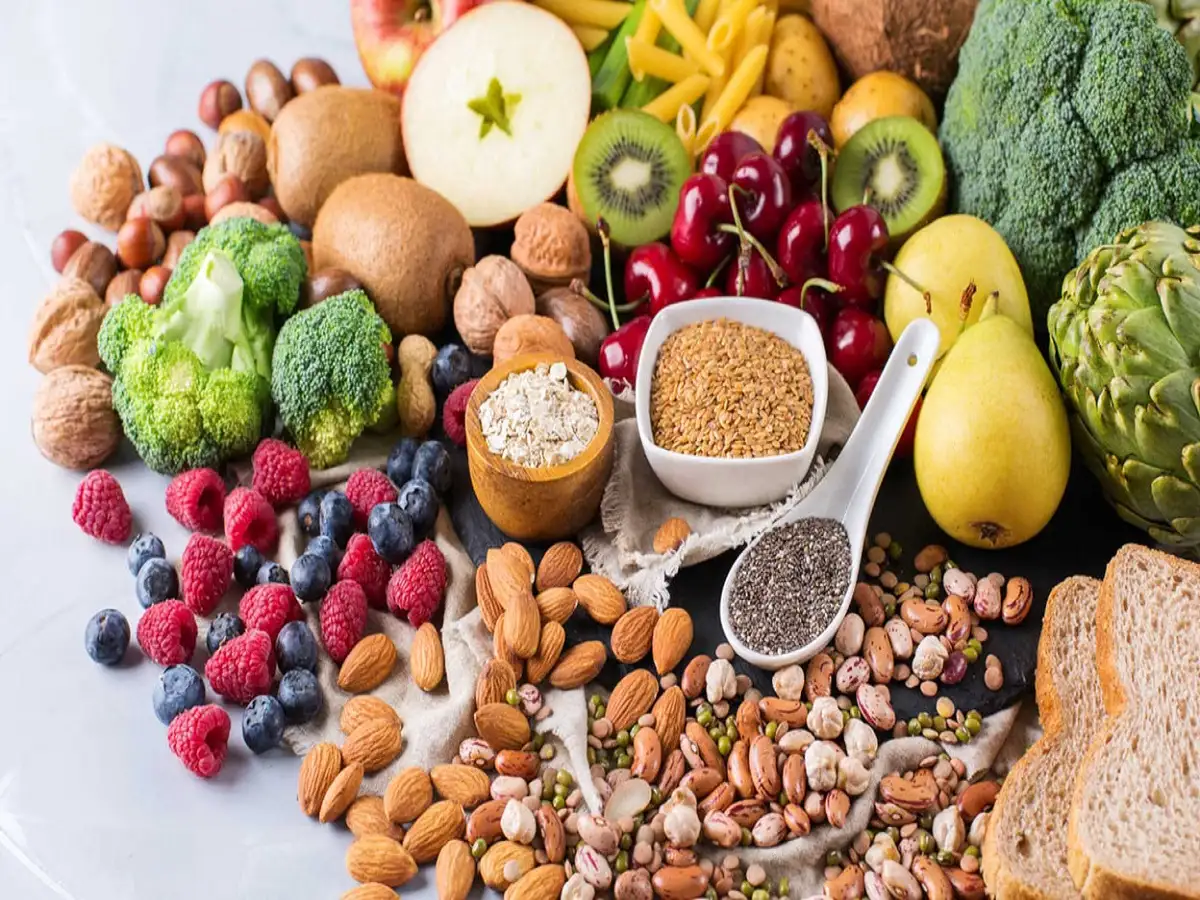
Fiber-Rich Diet: Modern eating habits often include highly processed foods while falling short on fruits, vegetables, whole grains and pulses. One nutrient that can easily be overlooked is dietary fiber. Getting enough fiber is important not only for regular bowel movements but also for supporting digestive health and other aspects of overall well-being.
Dietary fiber is the part of plant foods that the body does not completely digest. Instead of being broken down and absorbed like many other nutrients, fiber travels through the digestive system and performs several useful functions along the way.
A diet containing adequate fiber may support bowel regularity, help people feel full for longer, contribute to healthier cholesterol levels and help moderate the rise in blood sugar after meals.
Here's why fiber deserves a regular place in your diet and which foods can help you increase your intake.
How Much Fiber Do You Need Every Day?
Fiber requirements can vary according to age, sex and individual health circumstances.
According to commonly cited dietary recommendations, women aged 50 or younger may need around 25 grams of fiber per day, while men in the same age group may need approximately 38 grams daily.
For adults over 50, the commonly referenced figures are around 21 grams per day for women and 30 grams for men.
These figures should be viewed as general guidance. Individual requirements can differ, particularly for people with certain digestive or medical conditions.
Rather than concentrating on a single high-fiber food, it is usually better to obtain fiber from a variety of plant foods throughout the day.
1. Fiber Can Help Prevent Constipation
One of fiber's best-known roles is supporting regular bowel movements.
Certain types of dietary fiber can increase stool bulk and help it move more efficiently through the digestive tract. Fiber can also help stool retain water, which may make it easier to pass.
People who frequently experience constipation may benefit from gradually increasing fiber intake along with adequate fluid consumption.
However, increasing fiber very quickly can sometimes cause temporary gas, bloating or abdominal discomfort. It is generally more comfortable to increase intake gradually.
2. It Supports a Healthy Digestive System
Fiber does much more than simply add bulk to stool.
Some types of fiber can be fermented by bacteria in the large intestine. These fibers can help support beneficial gut microorganisms and contribute to a healthy intestinal environment.
Different plant foods contain different types of fiber, which is another reason variety matters.
Instead of relying entirely on a supplement or one particular food, consider regularly eating vegetables, fruits, pulses, whole grains, nuts and seeds where appropriate.
3. High-Fiber Foods Can Help You Feel Full Longer
Fiber-rich foods can be useful for people trying to manage appetite and body weight.
Because fiber can slow digestion and increase the volume of a meal, foods containing it may help you feel satisfied for longer. This could reduce the urge to snack frequently between meals.
Many naturally high-fiber foods, such as vegetables, fruits and legumes, also provide vitamins, minerals and other nutrients.
However, fiber itself is not a weight-loss shortcut. Overall calorie intake, food quality, physical activity, sleep and other lifestyle factors still matter.
4. Soluble Fiber May Help With Blood Sugar Management
Fiber can also influence how quickly carbohydrates are digested and absorbed.
Soluble fiber absorbs water and forms a gel-like material in the digestive tract. This can slow digestion and may help moderate the rise in blood glucose after eating.
For this reason, fiber-rich carbohydrate sources such as whole grains, pulses and certain fruits can be useful components of a balanced diet.
People with diabetes should still follow an individual eating plan recommended by their doctor or dietitian, as carbohydrate quantity and medication also need to be considered.
5. Certain Fibers Can Support Heart Health
Some forms of soluble fiber may help lower levels of LDL, often called “bad” cholesterol, by reducing the absorption of cholesterol and related compounds in the digestive system.
Oats, barley, beans and lentils are examples of foods that provide soluble fiber.
A high-fiber eating pattern is also often rich in other heart-friendly foods such as vegetables, fruits, whole grains and legumes.
The greatest benefit is likely to come from an overall healthy dietary pattern rather than simply adding fiber while continuing to consume large amounts of highly processed or saturated-fat-rich foods.
What Are the Best Natural Sources of Fiber?
Fiber occurs naturally in plant foods. Useful dietary sources include fruits, vegetables, whole grains, lentils, chickpeas, kidney beans, peas, nuts and seeds.
When edible and appropriate, consuming fruits with their skin can increase fiber intake because some of the fiber is concentrated in or near the peel.
Whole grains are another useful source. When purchasing packaged bread, cereal or other grain products, check the nutrition label rather than relying only on words such as “multigrain” on the front of the package.
How Much Fiber Is in Common Foods?
Fiber content differs significantly between foods and serving sizes.
A medium pear may provide around 5.5 grams of fiber, while a medium apple can contain approximately 4.4 grams when eaten with the skin.
A cup of raspberries may contain around 8 grams of fiber, making berries a particularly fiber-rich fruit option.
Pulses can provide even larger amounts. Approximately one cup of cooked lentils can contain around 15.6 grams of fiber, depending on the variety and preparation.
Actual values may vary slightly according to serving size, variety and food preparation.
Soluble vs Insoluble Fiber: What's the Difference?
Dietary fiber is commonly discussed in two broad categories: soluble and insoluble fiber.
Soluble fiber dissolves or swells in water and can form a gel-like substance. It is found in foods such as oats, barley, beans and some fruits. This type is particularly associated with cholesterol and blood sugar benefits.
Insoluble fiber does not dissolve in water in the same way and helps add bulk to stool. Whole grains, vegetables and various plant foods provide insoluble fiber.
Most people do not need to calculate the exact amount of each type. Eating a varied diet containing multiple plant foods can provide a useful combination.
Increase Fiber Gradually and Drink Enough Water
If your current diet contains very little fiber, suddenly doubling or tripling your intake may leave you feeling uncomfortable.
Increase high-fiber foods gradually to give your digestive system time to adapt. Drinking enough fluids is also important, particularly when increasing fiber intake.
People with certain gastrointestinal conditions may require an individually tailored fiber intake. In some circumstances, a doctor may temporarily recommend limiting specific types of fiber.
The Bottom Line
Fiber is an important component of a healthy diet and provides benefits that extend beyond preventing constipation.
Adequate intake can support digestive health, help with satiety, contribute to blood sugar management and support healthier cholesterol levels.
Instead of depending on one “superfood,” aim for variety. Whole grains, vegetables, fruits, lentils, beans, peas, nuts and seeds can collectively help increase daily fiber intake while providing many other important nutrients.
If you have persistent constipation, abdominal pain, unexplained changes in bowel habits or a medical condition affecting digestion, consult a healthcare professional before making major dietary changes.
Disclaimer: This article is intended for general health information and should not replace personalised medical or nutritional advice.