LIFESTYLE
Why Muslims Consider Pharaoh Their Biggest Enemy — The Story Behind the Hatred and His Preserved Body
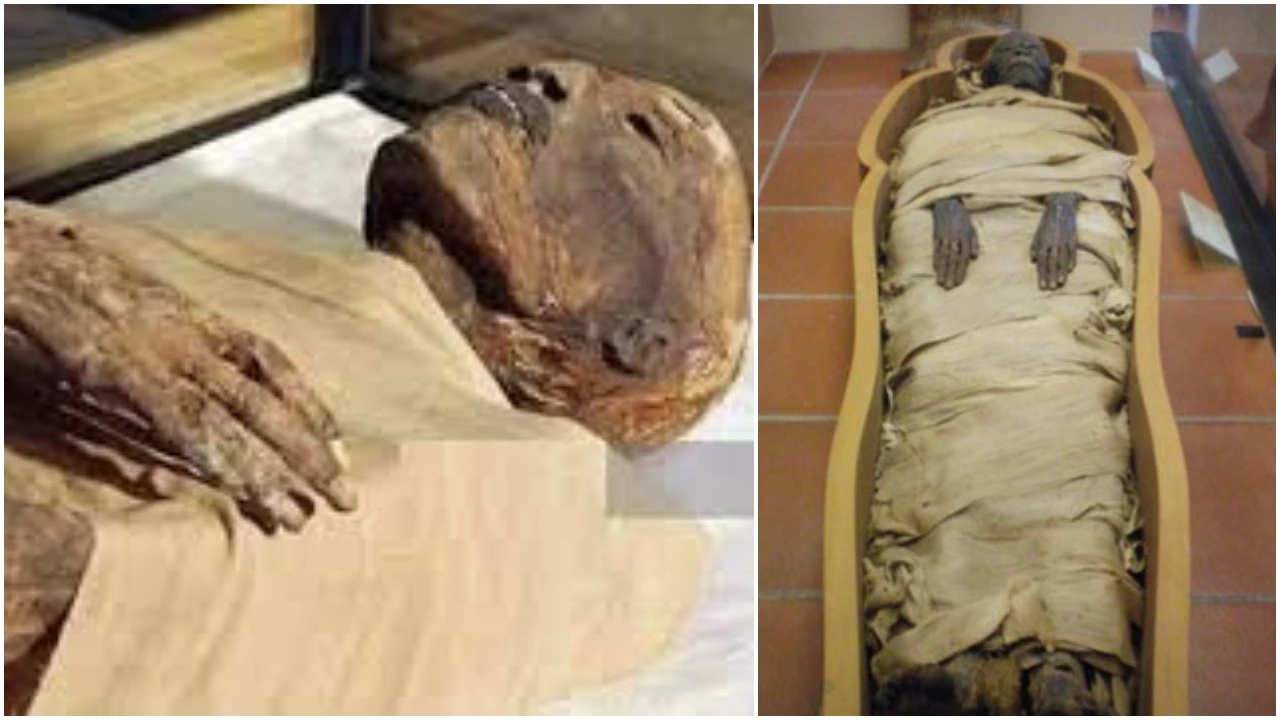
In Islam, Pharaoh (Firaun) is regarded as one of the most evil and hated figures in history. Even centuries after his death, his story continues to serve as a warning of arrogance and tyranny. According to Islamic teachings, Pharaoh was a cruel and arrogant ruler who oppressed the Prophet Musa (Moses) and the Bani Israel (Children of Israel). His refusal to accept the oneness of God and his claim of being divine himself are key reasons why he is despised in the Islamic faith.
What Happened to Pharaoh?
The Quran narrates that Pharaoh and his army chased Prophet Musa and his followers as they fled Egypt. When Musa, by Allah's command, struck the sea with his staff, the Red Sea parted, allowing the Israelites to escape. However, when Pharaoh followed, the sea closed in and he drowned, along with his army.
Quran (Surah Yunus 10:92): "So today We will save your body so that you may be a sign for those after you..."
This verse is often interpreted to mean that Pharaoh’s body was preserved as a lesson for future generations — a sign of divine punishment for arrogance and oppression.
The Preserved Mummy: A Historical and Scientific Marvel
Historians and many Islamic scholars believe that the mummified body of Pharaoh mentioned in Islamic texts could be Ramses II or his successor Merneptah. His mummy is kept in the Egyptian Museum in Cairo, and modern scientific examinations suggest death due to drowning or sudden trauma, which aligns with religious descriptions.
Why Is He Hated So Much?
- Claimed to be God – He demanded to be worshipped instead of Allah.
- Oppressed Prophet Musa – He tortured and enslaved the followers of Musa.
- Rejected God’s Signs – Even after witnessing miracles, he refused to believe.
- Arrogance and Cruelty – He was the epitome of tyranny, injustice, and oppression.
Moral Lesson in Islam
Pharaoh's fate serves as a powerful warning in Islam — that no matter how powerful a person becomes, arrogance, tyranny, and rejection of truth lead to destruction. His preserved body is seen as a sign from God, a reminder of the consequences of extreme pride and injustice.
Thus, in Islamic belief, Pharaoh remains a symbol of evil, and his story is frequently cited as a moral lesson against oppression and disbelief.