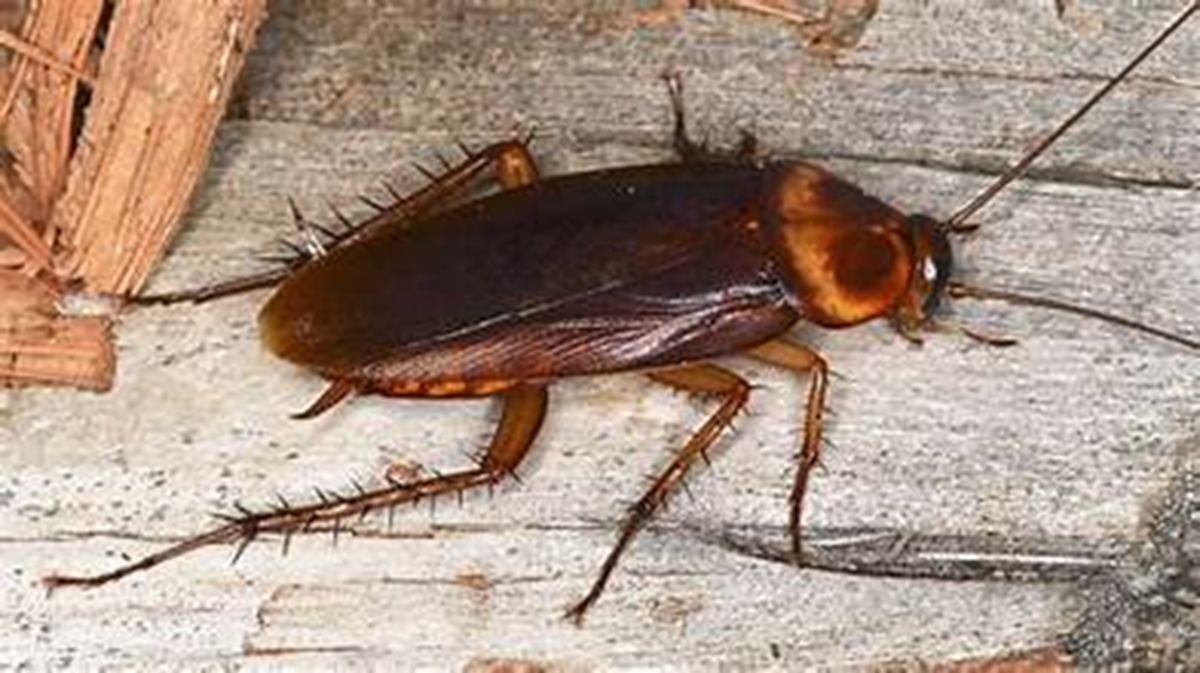
CJP Jantar Mantar Protest: The Cockroach Janata Party is holding a demonstration in Delhi. Meanwhile, let's explore whether cockroaches can withstand a nuclear attack. Learn the full details.
CJP Jantar Mantar protest
CJP Jantar Mantar Protest: Former Chief Ministers Arvind Kejriwal and Mamata Banerjee were on their way to join the Cockroach Janata Party's protest at Jantar Mantar in Delhi when police detained them. More than 1,000 protesters were detained in areas like Jantar Mantar and Connaught Place.
Amidst these events, let's consider an interesting scientific question. Why are cockroaches considered capable of surviving nuclear radiation? Find out the answer.
Can cockroaches survive a nuclear explosion?
The common belief that cockroaches can survive a nuclear attack is only partially true. Cockroaches cannot withstand the extreme heat, powerful shock waves, and destructive force near the epicenter of a nuclear explosion. Like other living organisms, they would be killed instantly if directly exposed to these conditions.
Although cockroaches hiding underground, within drainage systems, or in narrow crevices away from the blast zone may have a much better chance of surviving the initial destruction, this claim is due to their ability to tolerate higher levels of radiation than humans, not because they are completely immune to nuclear weapons.
Why are cockroaches highly resistant to radiation?
One major reason is the difference in the way their cells divide. Radiation can damage DNA and other cellular structures, especially when cells are dividing rapidly. Some human tissues contain cells that divide frequently, making them particularly sensitive to radiation exposure.
Cockroaches generally have a slow rate of cell division, with most of their cell division associated with growth and molting. This may reduce the sensitivity of some cells during certain stages of their life cycle. However, this does not mean that radiation cannot damage their DNA or cause harmful biological effects.
How much radiation can they tolerate?
It is often said that cockroaches can tolerate radiation doses many times higher than what is considered lethal for humans. Some reports indicate doses of approximately 10,000 rads. Furthermore, a dose of approximately 1,000 rads is potentially fatal for humans.
These figures should be interpreted with caution, as radiation tolerance varies depending on species, experimental conditions, and exposure level. Rad measures the absorbed dose of radiation, while its biological effects depend on factors such as the type of radiation and the duration of exposure.
Does his tough body protect him?
Cockroaches have a strong covering called an exoskeleton. This protects their bodies from physical damage, prevents excessive dehydration, and helps them survive in harsh conditions. Their flattened bodies help them squeeze into small spaces.
Surviving without food
Another unique feature of cockroaches is their ability to survive for long periods without food. Depending on the species and environmental conditions, they can endure food deprivation for weeks.
Is the cockroach the longest-living creature?
Cockroaches have survived for millions of years due to their adaptability, reproductive capacity, and ability to live in diverse environments. Their ability to withstand radiation is another impressive biological trait, but it doesn't guarantee survival after a nuclear attack. Extreme heat, blast pressure, fire, radiation, and environmental pollution can kill them.