LIFESTYLE
Why Did Karna Swear to Kill Arjuna in Mahabharata? The Story Behind Their Legendary Rivalry
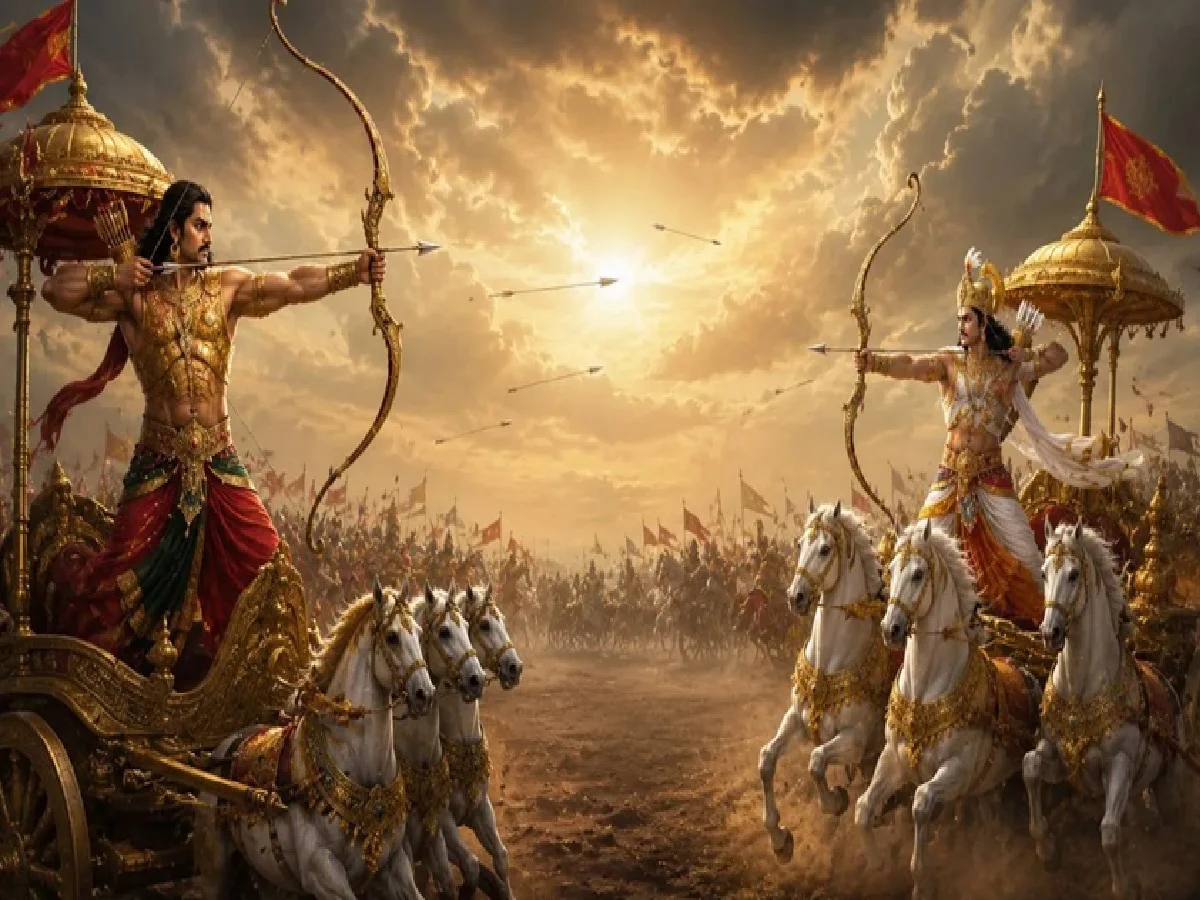
Mahabharata is not remembered only as a war fought with weapons. It was also a story of emotions, relationships, pride, revenge, loyalty, destiny, and moral conflict. Among the many powerful warriors in the epic, one of the most complex and respected characters was Karna.
Karna’s rivalry with Arjuna is considered one of the most intense and emotional conflicts in the Mahabharata. Their battle was not just about skill in archery — it was deeply connected to humiliation, identity, honor, and destiny.
But why did Karna take a vow to defeat and kill Arjuna? Here’s the story behind this famous rivalry.
Karna Faced Struggles From Birth
According to the Mahabharata, Karna was born to Kunti through the blessings of the Sun God before her marriage. Fearing social shame and criticism, Kunti placed the newborn child in a basket and set him afloat on a river.
Karna was later raised by Adhiratha, a charioteer, and his wife Radha. Because he grew up in a charioteer’s family, society treated him as a lower-born person despite his extraordinary abilities.
Even though Karna was highly talented and naturally gifted in warfare and archery, he constantly faced insult and discrimination because of his social identity. These repeated humiliations created deep emotional pain and anger within him.
Humiliation in Guru Dronacharya’s Assembly
One of the biggest turning points in Karna’s life came during a public display of martial skills organized by Dronacharya.
During the event, Arjuna impressed everyone with his exceptional archery skills and was praised as the greatest warrior among the students.
At that moment, Karna stepped forward and challenged Arjuna, claiming he could perform the same feats — or even better.
However, before the challenge could proceed, questions were raised about Karna’s caste and background. Since he was believed to be the son of a charioteer, he was reportedly denied the opportunity to compete equally with royal warriors.
This public humiliation deeply affected Karna and intensified his resentment toward Arjuna.
Karna Wanted to Prove Himself Superior
Both Karna and Arjuna were considered extraordinary archers with divine weapons and unmatched combat abilities.
However, Karna constantly lived in Arjuna’s shadow. Society celebrated Arjuna as the greatest warrior, while Karna struggled for recognition despite his talent.
Because of this, Karna became determined to prove that:
- He was equal to Arjuna
- He could defeat the Pandavas’ greatest warrior
- His abilities were greater than what society believed
Several versions of the Mahabharata mention that Karna vowed to defeat and kill Arjuna in battle to avenge the insults and rejection he had suffered throughout his life.
Duryodhana’s Friendship Strengthened the Rivalry
Another major reason behind Karna’s loyalty and rivalry was his friendship with Duryodhana.
When others insulted Karna because of his background, Duryodhana publicly supported him and even made him the king of Anga. This act earned Karna’s lifelong loyalty.
As Arjuna stood on the side of the Pandavas, Karna naturally became one of their strongest opponents in the Kurukshetra war.
Kunti Revealed the Truth Before the War
Before the great war began, Kunti finally revealed to Karna that he was actually her eldest son and the brother of the Pandavas.
She requested Karna to join the Pandavas and avoid fighting against his own brothers.
However, Karna refused to abandon Duryodhana because he valued friendship and loyalty above everything else.
Still, he gave Kunti an important promise:
- He would not kill any Pandava except Arjuna
This promise clearly showed that Arjuna remained Karna’s primary rival and ultimate target throughout his life.
Why the Karna-Arjuna Battle Is So Special
The battle between Karna and Arjuna is considered one of the greatest moments in the Mahabharata because it symbolized much more than a fight between two warriors.
It represented:
- Honor versus humiliation
- Destiny versus effort
- Brotherhood versus loyalty
- Pride versus recognition
On one side stood Arjuna, the royal warrior celebrated as the finest archer of his era. On the other side stood Karna, a warrior who rose from rejection and hardship to become one of the most powerful fighters in the epic.
Even today, the rivalry between Karna and Arjuna remains one of the most emotional and memorable stories from the Mahabharata, continuing to fascinate generations of readers and audiences.