LIFESTYLE
Why Black Sesame Seeds Are Considered Sacred in Hindu Traditions and Their Association with Lord Shani
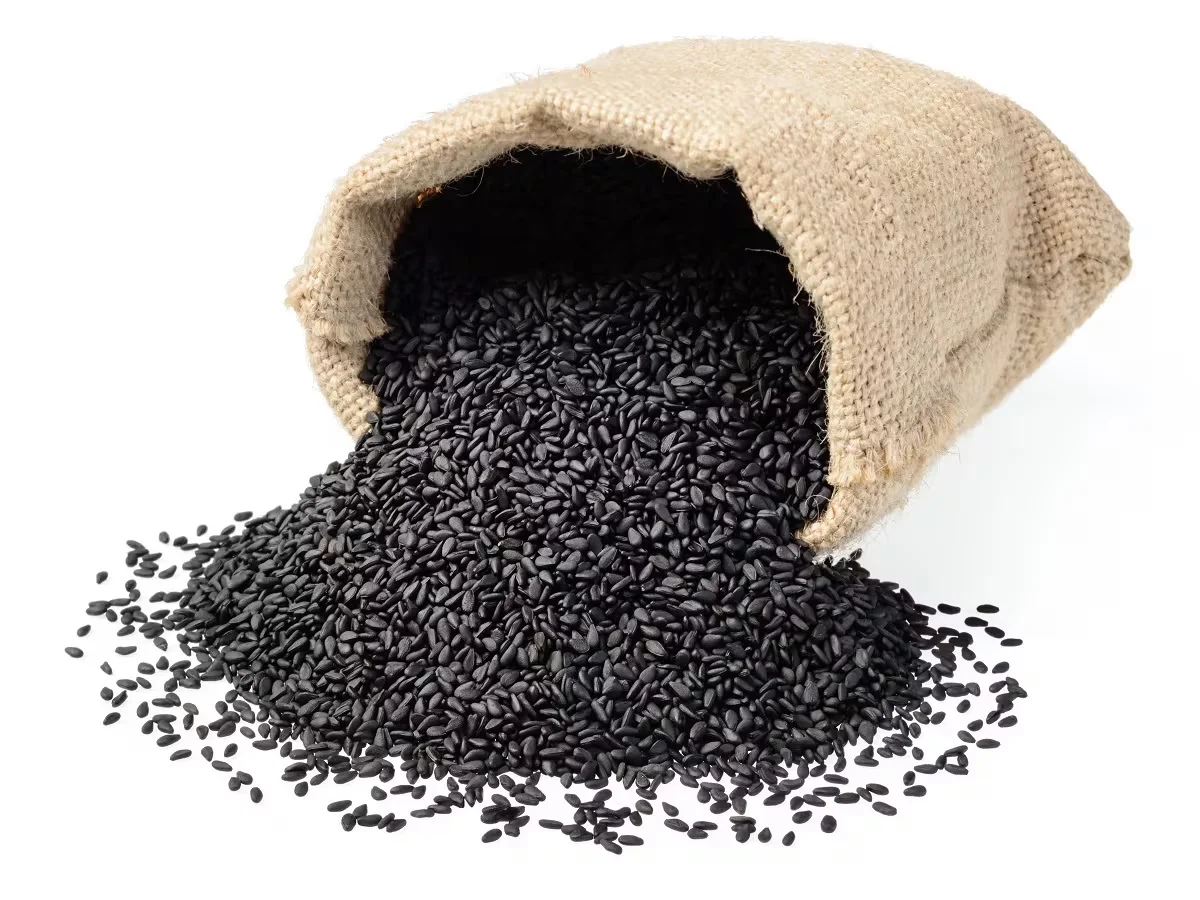
Jyotish Tips: Black sesame seeds hold a special place in several Hindu religious and astrological traditions. Ancient scriptures associate them with purification, humility, and rituals dedicated to Lord Shani. Here's what traditional beliefs say about their spiritual significance.
Black sesame seeds, commonly known as kala til, have long been regarded as sacred in Hindu religious practices. They are frequently used in rituals, offerings, and charitable acts, particularly during ceremonies connected with Lord Shani (Shani Dev) and ancestral worship.
According to traditional Hindu beliefs, black sesame seeds symbolize purity, humility, and the removal of negative influences. Their importance is mentioned in several ancient texts, including the Garuda Purana and Brihat Parashara Hora Shastra, where they are associated with specific religious observances and astrological remedies.
It is important to note that these practices are based on faith and traditional beliefs. They are not scientifically established methods for influencing life events or planetary effects.
Mention in Hindu Scriptures
Traditional Hindu scriptures describe black sesame seeds as a sacred offering used in various religious ceremonies.
According to references found in the Garuda Purana, sesame seeds are considered pure and are commonly used in rituals intended to symbolize spiritual cleansing and the seeking of divine blessings. They are also used in ceremonies performed for ancestors and during charitable offerings.
Because of their religious significance, black sesame seeds continue to be an important part of many Hindu festivals and rituals.
Association with Lord Shani
In Vedic astrology, black sesame seeds are closely associated with Lord Shani, the deity linked with discipline, justice, and karma.
Traditional astrological texts, including the Brihat Parashara Hora Shastra, mention remedies involving black sesame seeds as part of devotional practices dedicated to Lord Shani.
One commonly followed belief suggests that bathing on Saturdays with water containing black sesame seeds is considered an act of devotion that symbolizes purification and prayers for relief from challenges associated with Shani.
These practices are followed by many devotees as expressions of faith rather than guaranteed outcomes.
Beliefs Related to Shani Sade Sati and Dhaiya
Many followers of Vedic astrology perform rituals involving black sesame seeds during periods traditionally referred to as Shani Sade Sati or Shani Dhaiya.
According to these beliefs, such devotional practices are intended to seek Lord Shani's blessings, inner peace, and spiritual strength while navigating challenging phases believed to be associated with Saturn's influence.
Astrologers often recommend these rituals as part of broader spiritual observances, although interpretations and practices may vary among traditions.
Connection with Pitru Dosha
Black sesame seeds also play an important role in rituals connected with ancestors.
According to traditional Hindu customs, offerings made with black sesame seeds during specific religious ceremonies are believed to express respect and gratitude toward one's forefathers.
Some traditions also associate Saturday rituals involving black sesame seeds with prayers intended to seek relief from Pitru Dosha, a concept found in Vedic astrology relating to ancestral influences.
These practices remain matters of personal faith and religious observance.
A Symbol of Humility and Simplicity
Beyond their ritual use, black sesame seeds are often viewed as symbols of modesty and simplicity.
Despite their small size, they are traditionally believed to represent the importance of humility, self-discipline, and letting go of pride. Hindu teachings frequently emphasize these qualities as virtues that contribute to spiritual growth.
Devotees believe that cultivating humility and righteous conduct aligns with the values associated with Lord Shani.
Faith-Based Traditions Continue Today
Across India, black sesame seeds continue to be used in temple rituals, charity, ancestral ceremonies, and Saturday prayers dedicated to Lord Shani. Many devotees include them in their regular religious practices as a symbol of devotion and spiritual discipline.
While these customs have been passed down through generations and remain an important part of Hindu tradition, they are rooted in religious belief rather than scientific evidence. Individuals choose to observe these practices according to their personal faith, family customs, and spiritual traditions.
For many believers, black sesame seeds represent not only an element of ritual worship but also a reminder of humility, gratitude, and the pursuit of inner balance through devotion.