NEWS
Why are petrol and diesel cheaper in India than elsewhere in the world? Hardeep Puri reveals the secret.
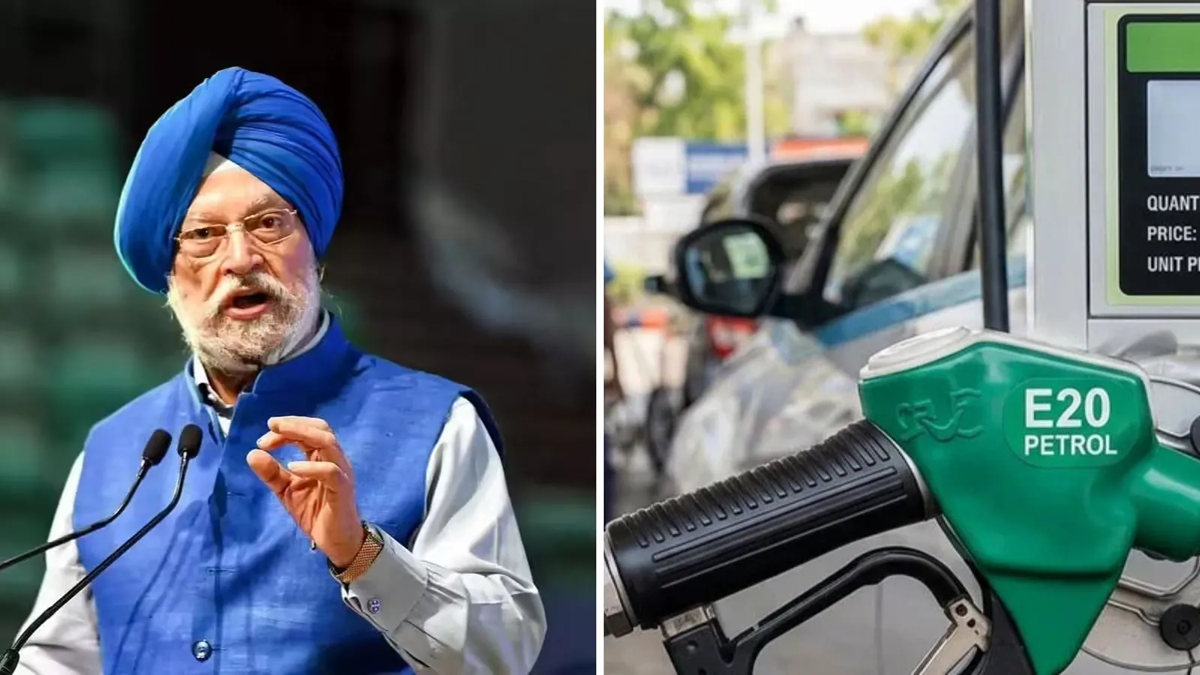
Petrol and diesel prices have risen by 50-60% worldwide. However, this hasn't had any impact on India. Prices have remained stable here. Petroleum Minister Hardeep Singh Puri explained the reason for this.
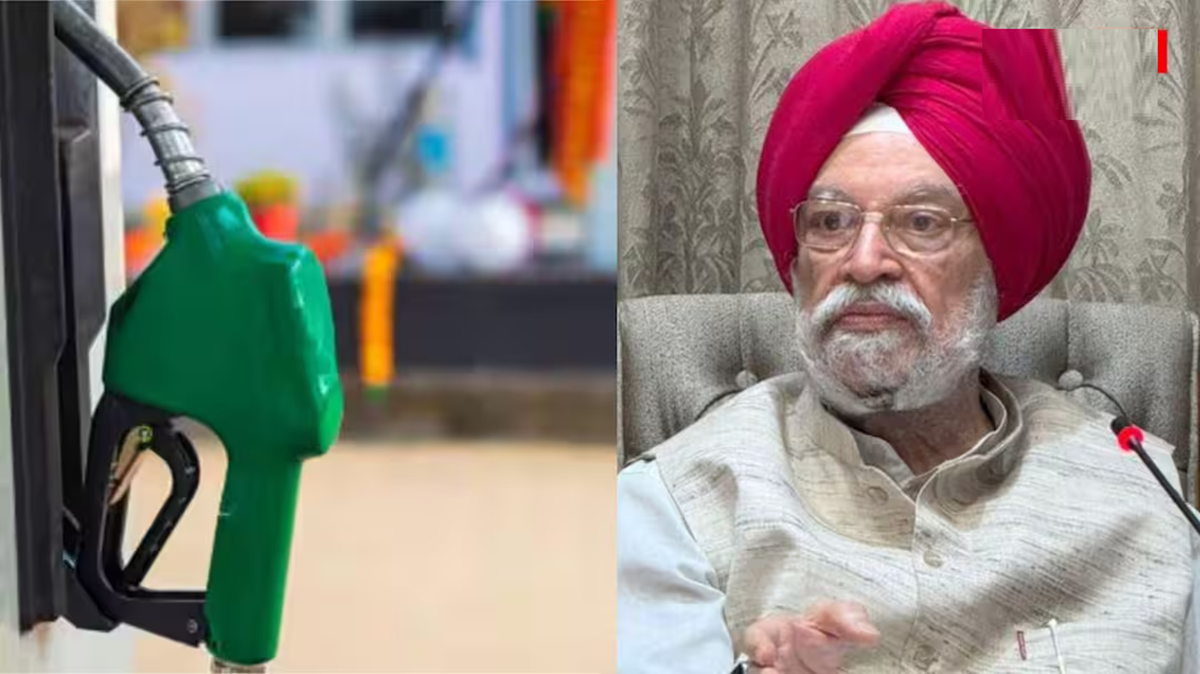
Know what Petroleum Minister Hardeep Singh Puri said.
Ever since tensions between Iran and the US began, global crude oil supplies have been affected. Consequently, petrol and diesel prices have risen in many countries, including India. However, compared to other countries, India's petrol and diesel prices haven't seen a significant increase, while in many other countries, petrol and diesel prices have risen by 50 to 60%. But how did this happen?
Now, Union Petroleum Minister Hardeep Singh Puri himself has revealed the reason behind this. He said that due to the government's tax reduction policy, the people of India have not had to bear the full burden of expensive oil.
What did the minister say?
During a meeting with dealers, Puri said that the central government cut excise duty on petrol and diesel three times: in November 2021, May 2022, and March 10, 2026. The March 2026 cut reduced excise duty on both petrol and diesel by ₹10 per liter, making all this possible.
Government steps to control prices.
India meets a large portion of its crude oil needs by purchasing it from other countries. When the price of crude oil rises in the international market, it puts pressure on petrol and diesel prices in India as well. Due to the Iran war and disruptions to oil supplies through the Strait of Hormuz, the price of crude oil in the international market rose from approximately $67-68 per barrel to nearly $120.
In this situation, the government faced two options: first, by increasing petrol and diesel prices, shifting the burden of high oil prices onto the common man. Second, by reducing taxes, reducing this burden. Therefore, the government chose the latter approach. By reducing excise duty, the government absorbed some of the cost burden on oil companies. This helped prevent a significant increase in petrol and diesel prices.
Oil supplies continued.
The Petroleum Minister also stated that despite disruptions in international supplies, there was no shortage of petrol and diesel in India. None of the country's approximately 107,000 petrol pumps ran out of fuel. To maintain oil supply, the government expanded the option to purchase oil from other countries. Previously, India purchased crude oil from 27 countries, but now this number has increased to 41.